100 Legal Terms You Must Know
Share
Law has its own language, and understanding legal terminology is an essential part of studying and practising law. Whether you are a law student, a trainee solicitor, a barrister or an experienced legal professional, there are certain legal terms that you should know and understand.
We have selected these 100 legal terms because we believe they are fundamental to legal education and professional practice. They cover a range of legal concepts, principles and procedures encountered across different areas of law. Some are Latin expressions that have been used for centuries, while others are fundamental terms found in legislation, contracts and court proceedings.
Our aim is to provide a useful reference for law students and lawyers alike. Each term is arranged alphabetically and accompanied by a brief explanation to make it easier to understand, learn and remember.
100 Legal Terms
1. Acquittal – A finding that a defendant is not guilty of a criminal offence.
2. Actus reus – The physical element of a criminal offence, usually involving an act or omission.
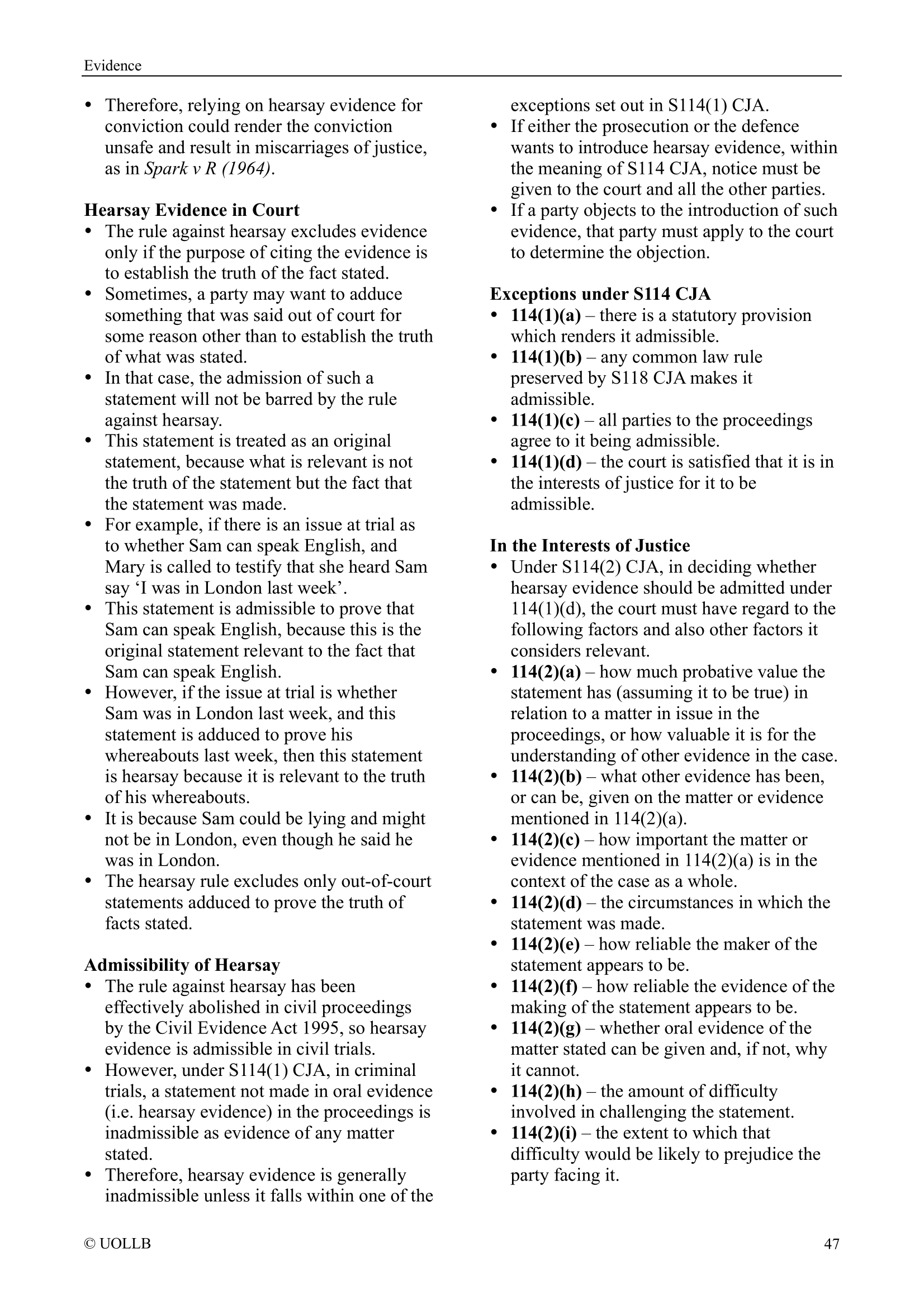
3. Admissibility – Whether evidence is legally acceptable for consideration by a court.
4. Affidavit – A written statement of facts confirmed by oath or affirmation.
5. Alibi – A defence that the accused was elsewhere when the alleged offence occurred.
6. Appeal – An application to a higher court or appropriate body to challenge a decision.
7. Arbitration – A method of dispute resolution in which an independent arbitrator determines the dispute.
8. Bail – The conditional release of a person accused of an offence while proceedings are pending.
9. Balance of probabilities – The civil standard of proof requiring a fact to be more likely than not.
10. Bona fide – Acting honestly and in good faith.
11. Bona vacantia – Ownerless property that passes to the Crown or state under applicable law.
12. Burden of proof – The legal obligation to establish the facts necessary to prove a case.
13. Causation – The legal connection between an act or omission and the resulting harm.
14. Caveat emptor – A Latin expression meaning 'let the buyer beware'.
15. Claimant – A person or party bringing a civil claim.
16. Complainant – A person who makes a complaint or reports an alleged offence.
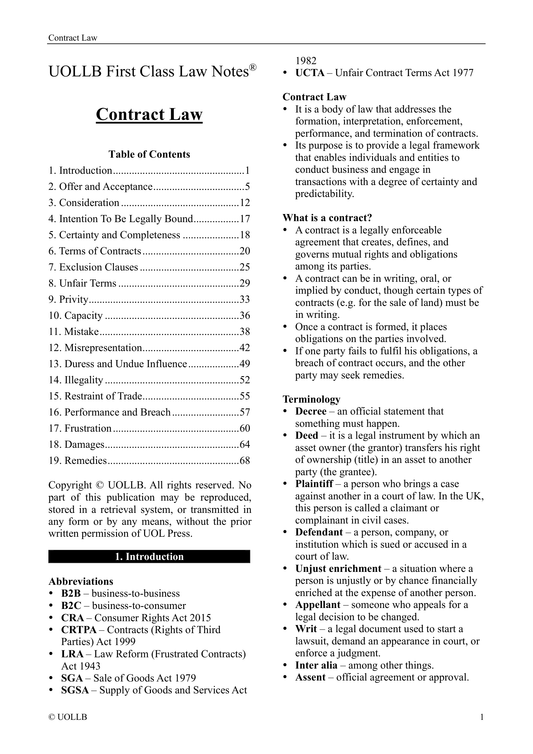
17. Consideration – Something of value exchanged between parties to support a contract.
18. Contributory negligence – A claimant's own negligence contributing to the damage suffered.
19. Custody – The legal detention or control of a person.
20. Damages – Monetary compensation awarded to a person for loss or injury.
21. De facto – Existing in practice, whether or not formally recognised by law.
22. Deed – A formal legal document executed in accordance with prescribed formalities.
23. De jure – Existing or recognised as a matter of law.
24. Defamation – Publication of a statement that unlawfully causes serious harm to another person's reputation.
25. Defendant – A person or party against whom civil or criminal proceedings are brought.
26. Disclosure – The process of providing relevant information or documents to another party in legal proceedings.
27. Duress – Unlawful pressure or threats that undermine a person's freedom of choice.
28. Due process – The requirement that legal procedures are conducted fairly and lawfully.
29. Easement – A legal right to use another person's land for a particular purpose.
30. Equity – A body of legal principles developed to provide remedies and address matters of fairness.
31. Estoppel – A legal principle preventing a party from contradicting a position or representation in circumstances where the law considers it unjust to do so.
32. Evidence – Information, documents or material used to establish or challenge facts in legal proceedings.
33. Ex parte – A proceeding or application made by one party without the other party being present or represented.
34. Extradition – The formal surrender of a person by one state to another for prosecution or punishment.
35. Felony – A category of serious criminal offence under certain legal systems, particularly in the United States.
36. Fiduciary – A person who owes another person duties of loyalty, good faith and trust.
37. Force majeure – An exceptional event or circumstance that may excuse or delay contractual performance under an applicable contractual provision or legal rule.
38. Fraud – Dishonest conduct involving intentional deception for an unlawful or improper purpose.
39. Habeas corpus – A legal procedure used to challenge the lawfulness of a person's detention.
40. Hearing – A court or tribunal session in which legal issues, evidence or arguments are considered.
41. Hearsay – An out-of-court statement relied upon to prove the truth of its contents, subject to applicable evidential rules and exceptions.
42. Indictment – A formal accusation charging a person with a criminal offence, particularly in jurisdictions using this procedure.
43. In personam – An action or order directed against a particular person.
44. In rem – An action or proceeding concerning a thing or property rather than a particular person's personal liability.
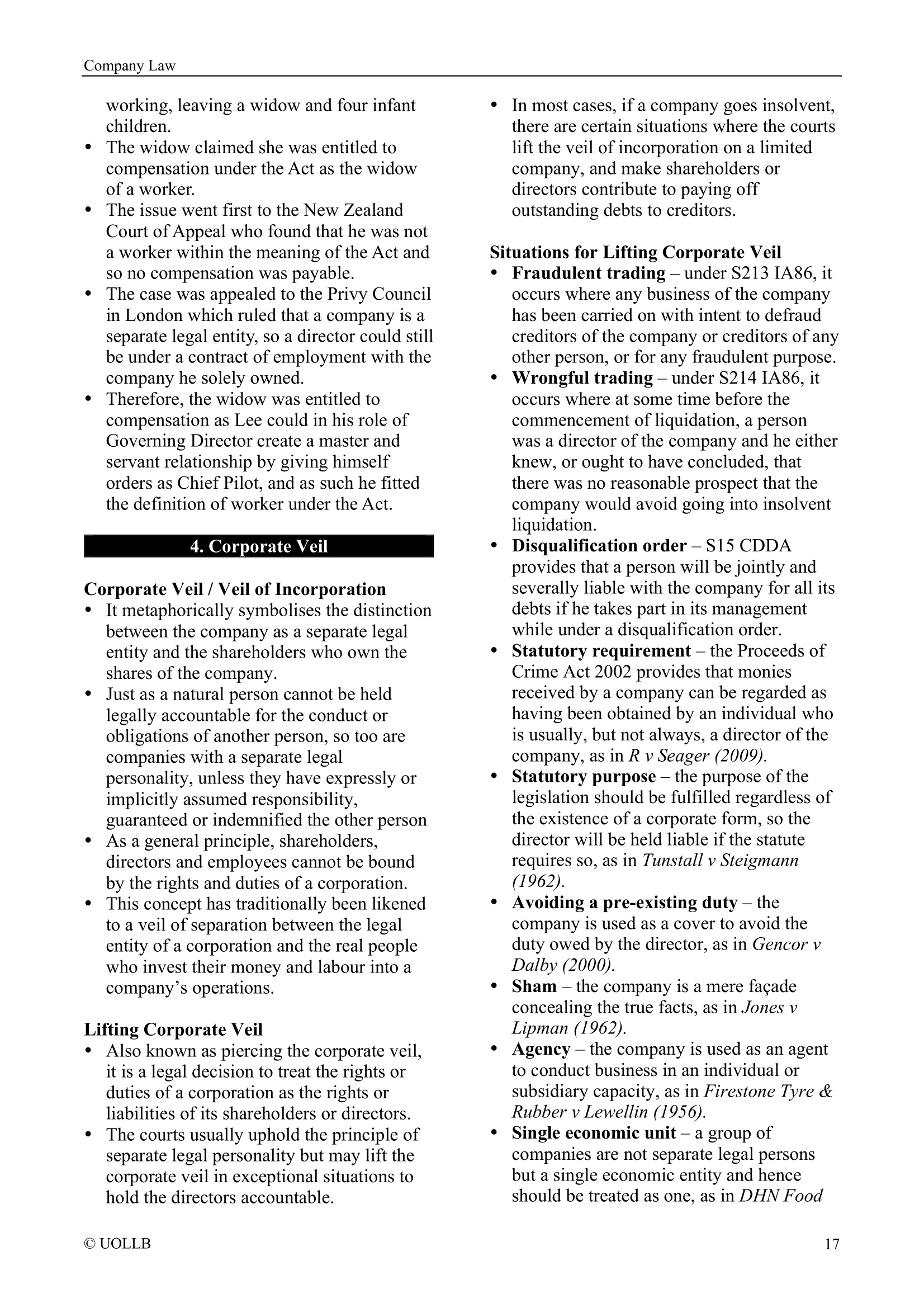
45. Insolvency – A financial condition in which a person or organisation cannot meet its debts as they fall due or has liabilities exceeding its assets, depending on the applicable test.
46. Intra vires – Within the legal powers or authority of a person or body.
47. Injunction – A court order requiring a person to do something or refrain from doing something.
48. Intent – The purpose or conscious objective behind a person's conduct.
49. Inter vivos – A legal transaction or transfer taking place between living persons.
50. Jurisdiction – The legal authority of a court or tribunal to hear and determine a matter.
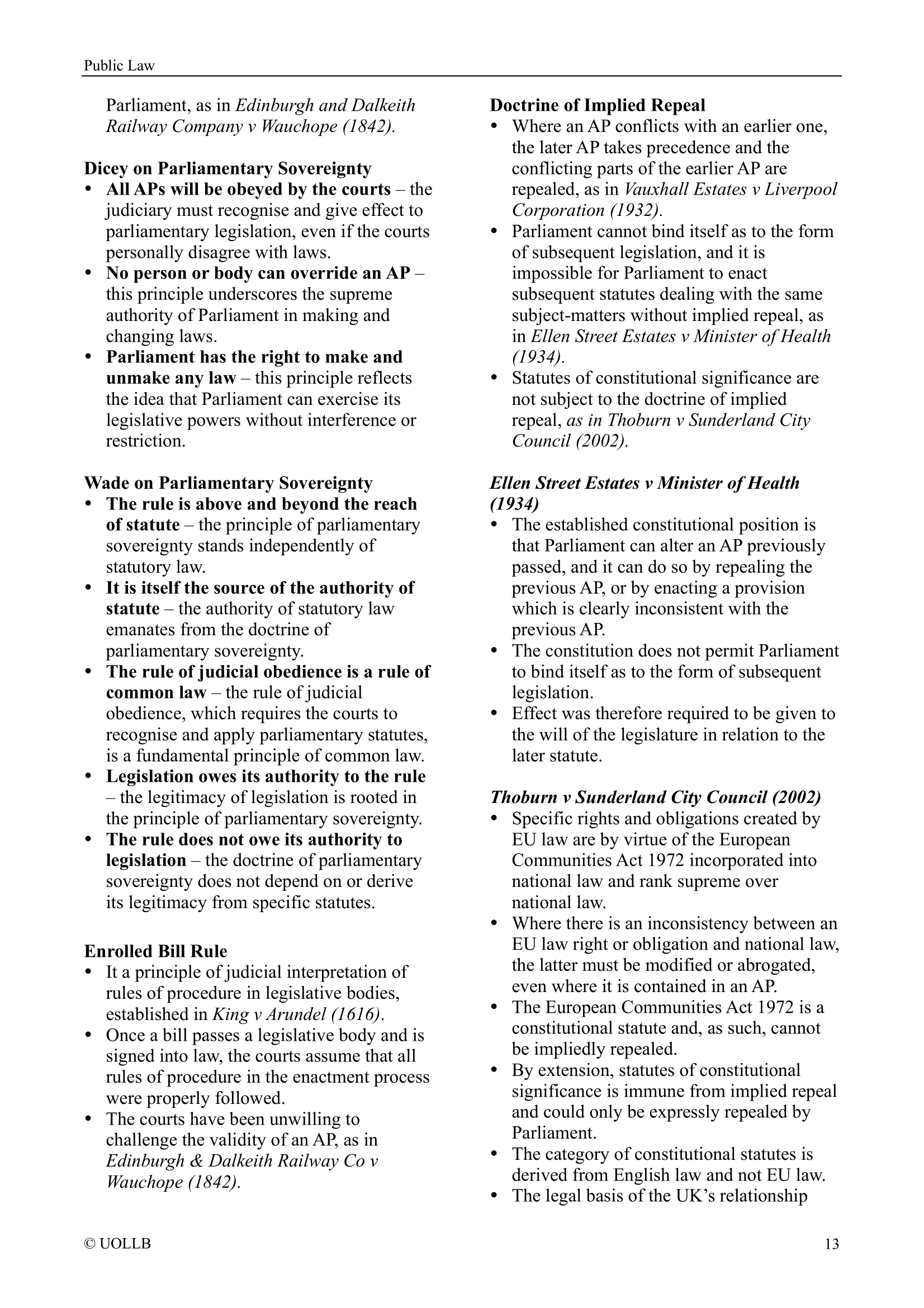
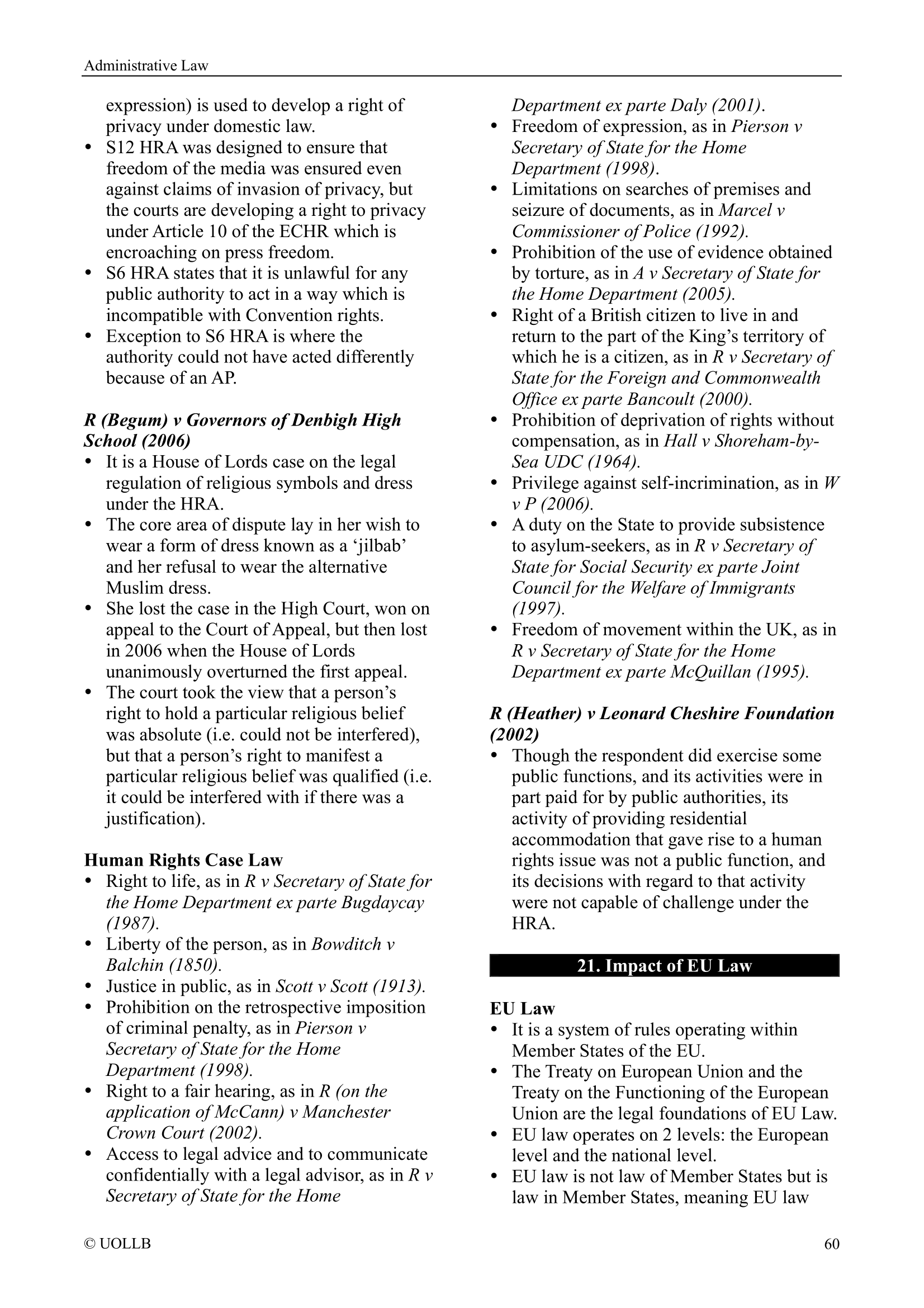
51. Judicial review – A procedure through which courts examine the lawfulness of decisions or actions taken by public authorities.
52. Jury – A group of individuals selected to determine questions of fact in certain legal proceedings.
53. Lease – A legal arrangement granting a person the right to occupy or use property for a specified period.
54. Liability – Legal responsibility for an act, omission, obligation or resulting loss.
55. Limitation period – The statutory time limit within which legal proceedings must generally be commenced.
56. Litigation – The process of resolving a dispute through court proceedings.
57. Locus standi – The legal right or standing to bring proceedings before a court.
58. Malice – An improper or wrongful intention, depending on the relevant area of law.
59. Mediation – A dispute resolution process in which an independent mediator assists parties in reaching a voluntary settlement.
60. Mens rea – The mental element of a criminal offence, referring to the required state of mind.
61. Misrepresentation – A false statement of fact that induces another party to enter into a contract.
62. Negligence – A tort involving breach of a duty of care that causes legally recognised damage.
63. Nuisance – An unlawful interference with another person's use or enjoyment of land or certain legal rights.
64. Obiter dicta – Judicial observations made in a judgment that are not essential to the decision and are generally not binding.
65. Offer – A proposal to enter into a contract on specified terms, capable of acceptance.
66. Per incuriam – A judicial decision made in ignorance or disregard of a relevant statutory provision or binding authority.
67. Perjury – Knowingly making a false statement under oath or affirmation in circumstances where the offence is established.
68. Plaintiff – The party bringing a civil lawsuit, particularly in jurisdictions such as the United States.
69. Precedent – An earlier judicial decision that provides legal authority for deciding a subsequent case.
70. Prima facie – At first sight; evidence or a case sufficient to establish a proposition unless rebutted.
71. Presumption of innocence – The principle that an accused person is treated as innocent unless and until proven guilty.
72. Privity – The legal relationship between parties to a contract, traditionally determining who may enforce its terms.
73. Pro bono – Professional legal services provided voluntarily without charging a fee.
74. Prosecution – The process of bringing criminal proceedings against an accused person.
75. Ratio decidendi – The legal principle or reasoning necessary to reach a court's decision, which may form binding precedent.
76. Reasonable doubt – The high standard of proof required for criminal conviction in jurisdictions applying this standard.
77. Res ipsa loquitur – A Latin expression meaning 'the thing speaks for itself', describing an evidential principle that may permit an inference of negligence.
78. Res judicata – The principle that a matter already finally determined by a competent court should not be litigated again between the same parties, subject to applicable rules.
79. Remedy – A legal means of enforcing a right or obtaining relief for a legal wrong.
80. Restitution – The restoration of a benefit or property, or the reversal of unjust enrichment.
81. Sanction – A legal penalty, restriction or consequence imposed for a breach of law or legal obligation.
82. Specific performance – An equitable remedy requiring a party to perform their contractual obligations.
83. Stare decisis – The doctrine that courts should follow established judicial precedents.
84. Statute – A law formally enacted by a legislature.
85. Submission – A formal legal argument or representation presented to a court or tribunal.
86. Subpoena – A formal legal order requiring a person to attend court or produce specified evidence or documents.
87. Tort – A civil wrong giving rise to a legal claim for a remedy, commonly damages.
88. Trespass – Unlawful interference with a person's body, land or goods.
89. Trust – A legal arrangement in which a trustee holds property for the benefit of beneficiaries or another legally recognised purpose.
90. Ultra vires – Beyond the legal powers or authority of a person or body.
91. Undue influence – Improper pressure or influence that causes a person to enter into a transaction without exercising independent judgment.
92. Verdict – The formal decision reached by a jury or other appropriate decision-maker on an issue such as guilt.
93. Vicarious liability – Liability imposed on one person or organisation for the wrongful acts of another, where the relevant legal relationship and conditions are satisfied.
94. Void – Having no legal effect or validity.
95. Voidable – Legally valid unless and until it is set aside by a person entitled to challenge it.
96. Volenti non fit injuria – A Latin expression meaning 'to a willing person, no injury is done'; a defence based on voluntary acceptance of a known risk.
97. Warrant – A formal legal authorisation, usually issued by a court or authorised official, permitting a specified action.
98. Witness – A person who provides evidence about relevant facts in legal proceedings.
99. Without prejudice – A principle generally protecting genuine settlement communications from being used as evidence of admissions in subsequent proceedings, subject to exceptions.
100. Writ – A formal written order issued by a court requiring or authorising a specified legal action.