How to Get Hired into Top Law Firm
Share
The legal recruitment market at the top end is brutally competitive. Magic Circle firms in London, and their equivalents globally, receive thousands of applications for a handful of training contract or associate spots each year. Most applicants have good grades. Many have done internships. A significant number will have done everything they were told to do and still not get an offer. So the question is not just how to apply, but how to apply in a way that actually works.
Grades Are the Starting Point, Not the Finish Line
Top law firms set minimum academic thresholds, and at the elite end those thresholds are high. A 2:1 is typically the floor, with many Magic Circle and Silver Circle firms looking for first class degrees or equivalent GPA scores from international applicants. Strong A-level results matter too, and some firms will look at your full academic history. Meeting the threshold gets your application read. It does not get you hired. Every other candidate in that pile has also met the threshold, which means grades alone will never be what sets you apart. They are the price of entry, nothing more.
Vacation Schemes Are the Real Front Door
If you are a law student in the UK and you are not applying for vacation schemes, you are making the process much harder for yourself. The vast majority of training contract offers at top firms go to candidates who have completed a vacation scheme with that firm first. This is not a coincidence. Firms use vacation schemes to assess candidates over one or two weeks in a real working environment, and converting that into a training contract offer is significantly more achievable than applying cold. Apply early, apply to multiple firms, and treat the vacation scheme application with the same seriousness you would give a job application. The cover letter for a vacation scheme is not a formality. It is your first real chance to show the firm why you want to be there specifically, and a generic letter will not survive the sift.
Commercial Awareness Is Not a Buzzword
Every top firm says they want commercially aware candidates, and most applicants nod along without really understanding what that means in practice. Commercial awareness is not about knowing what a merger is. It is about understanding how businesses operate, what drives their decisions, and how legal work connects to commercial outcomes. The way to develop this is straightforward. Read the Financial Times regularly. Follow major deals and transactions in the sectors that interest you. When a firm advises on a high profile acquisition or a regulatory matter, try to understand not just what happened legally but why it mattered commercially to the client. When you can talk about that kind of thing fluently and specifically in an interview, it stands out because most candidates cannot.
Your Application Has About Thirty Seconds
Recruiters at top firms read an enormous number of applications. Your cover letter needs to make a clear, specific case for why you want this firm and not just any firm. That means no generic sentences about the firm's excellent reputation or collaborative culture. It means knowing which practice areas genuinely interest you, being able to name specific deals or cases the firm has worked on, and connecting those things to something real in your own background. Your CV should be clean, well structured, and free of anything that does not add to the picture. Relevant work experience, academic achievements, positions of responsibility, and any other experiences that demonstrate skills a firm would value. Keep it to one page if you are a student or recent graduate.
Work Experience Outside Law Matters More Than You Think
Many successful applicants to top law firms have spent time working in business, finance, or other industries before or during their legal studies. This kind of experience adds commercial credibility to your application and gives you something genuinely interesting to talk about in interviews. If you have worked in banking, consulting, a startup, or any client-facing role, make sure that experience is visible in your application and that you can articulate what you learned from it. If you have not done anything like that yet, it is worth thinking about. Even a few weeks in a relevant industry can strengthen your profile considerably.
Interviews at Top Firms Are Not Like Other Interviews
Law firm interviews, particularly at the partner level, are designed to put you under pressure and see how you handle it. You will be given hypothetical scenarios, asked to think through problems on your feet, and pushed on your answers. Preparation matters, but rehearsed answers tend to collapse the moment the conversation goes somewhere unexpected. The best way to prepare is to get genuinely comfortable with the firm. Know their significant recent deals. Know their key practice areas and which ones are growing. Know something about the sectors their major clients operate in. When you can have a real conversation about the firm's work rather than reciting facts you memorised the night before, the interview feels different and performs differently. On competency questions, be specific. Interviewers have heard every version of the vague leadership story. A tight, specific example with a clear outcome is far more convincing than a broad narrative about teamwork and communication.
Networking Is Useful but Only If You Do It Right
Attending law fairs and firm open days has value, but walking up to a recruiter and asking what the firm looks for in candidates is not networking, it is a question they have answered five hundred times that day. Use these events to have genuine conversations, ask about specific practice areas, ask about a deal you read about, ask something that shows you have actually engaged with what the firm does. Reaching out to lawyers on LinkedIn can work, but the message needs to be specific and respectful of their time. A short, direct message asking for a brief conversation about their experience in a particular practice area is far more likely to get a response than a vague request for advice on getting into law. Alumni networks are particularly useful. People who went to your university and now work at the firms you are targeting are often willing to speak to students. Use that connection.
Rejection Is Part of the Process
Almost everyone who ends up at a top law firm was rejected somewhere along the way. The recruitment cycle is long, the competition is intense, and sometimes good candidates do not get offers for reasons that have nothing to do with their ability. What matters is how you respond to that. Ask for feedback where you can get it. Identify what to work on. Keep building your commercial knowledge, keep refining your applications, and keep applying. The candidates who eventually get the offer are usually not the ones who got everything right first time. They are the ones who kept going after it did not work out the first time.
One Final Thing
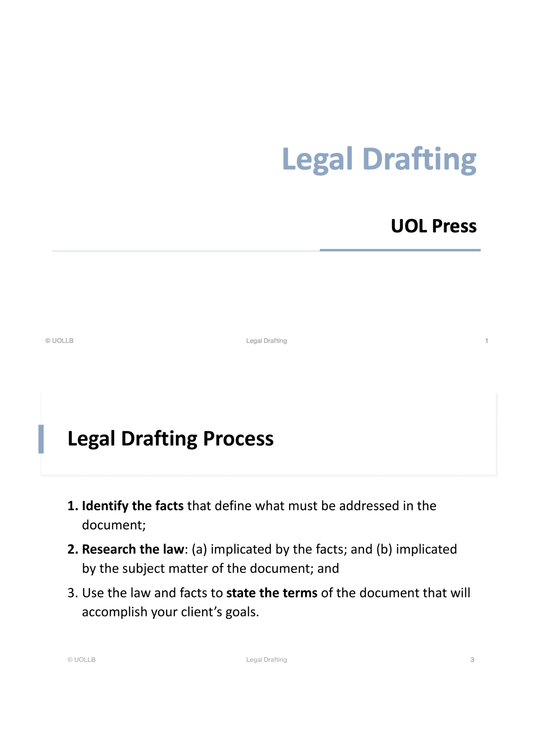
Top law firms are not just looking for the most academically accomplished candidates. They are looking for people they can put in front of clients, people who can handle pressure, think clearly, and communicate well. Those qualities can come from all kinds of backgrounds and experiences. If you have them, make sure your application actually shows it rather than burying them under a list of achievements. The application is your first piece of legal drafting. Make it count.