Keech v Sandford [1726]

Keech v Sandford [1726] EWHC J76 is a foundational decision in English trust law that established the strict fiduciary duty of loyalty owed by trustees. The case laid down the principle that a trustee must not place himself in a position where his personal interests conflict, or may possibly conflict, with his duties to the beneficiary. Even where the trustee acts honestly and the beneficiary suffers no loss, any unauthorised personal profit obtained through the trust position must be surrendered. The decision is famous for adopting an uncompromising approach to conflicts of interest and has profoundly influenced not only trust law but also the duties of company directors and other fiduciaries.

The facts concerned a lease of Romford Market that was held on trust for an infant beneficiary. Mr Sandford acted as trustee and managed the lease on the child’s behalf. Before the lease expired, Sandford sought a renewal from the landlord for the benefit of the infant, but the landlord refused to renew the lease to the child. However, the landlord was willing to grant a new lease to Sandford personally. Sandford accepted the lease in his own name and subsequently profited from it. When the child reached adulthood, now Mr Keech, he brought proceedings to recover those profits from the trustee.

Lord King LC held that Sandford had breached his fiduciary duty and ordered him to account for and disgorge all profits made from the renewed lease. The court reasoned that although the landlord had refused to grant the lease to the infant and there was no evidence of fraud or bad faith, the trustee could not be permitted to take for himself an opportunity connected with the trust property. Allowing trustees to benefit personally in such circumstances would create a serious risk of abuse and undermine trust and confidence in fiduciary relationships. Accordingly, the lease was treated as held for the benefit of the infant, and the trustee was required to assign it and surrender the profits.

The significance of the decision lies in its establishment of the strict “no conflict” and “no profit” rules. The court made clear that fiduciary liability does not depend on dishonesty, bad faith, or actual damage. It is enough that a conflict of interest was possible or that a profit was made by virtue of the fiduciary position. This strictness was intended as a deterrent, ensuring that trustees remain wholly loyal to beneficiaries and do not even face the temptation of self-interest.

Keech v Sandford has had lasting influence far beyond trusts. Its reasoning has shaped the modern law of fiduciary obligations, particularly the duties of company directors, who are likewise prohibited from exploiting corporate opportunities for personal gain without informed consent. The case therefore stands as a cornerstone of equity’s insistence on undivided loyalty, demonstrating that fiduciaries must act exclusively in the interests of those whom they serve.

Back to blog
UOLLB SQE Turbocharge

UOLLB SQE Turbocharge

Get fully prepared for SQE1 without breaking the bank. Access cost-effective SQE study manuals and 2000 practice questions developed by UOLLB, edited by lawyers, and published by UOL Press.
Turbocharge SQE Performance
UOL Case Bank

UOL Case Bank

Upon joining, you become a valuable UOL student and gain access to over 2,200 essential case summaries. UOL Case Bank is approved by UOL School of Law and is constantly expanding. Speed up your revision with us now.

Subscribe Now

Join students and legal professionals from Legal 500 firms, top universities and international organisations who trust UOLLB

Council of Europe
Crown Prosecution Service
Ministry of Defence
Baker Mckenzie
Linklaters
Atsumi & Sakai
Yale University
University of Chicago
Columbia University
New York University
University of Michigan
INSEAD
University of London
University College London (UCL)
London School of Economics (LSE)
King’s College London (KCL)
Royal Holloway, University of London 
Birkbeck, University of London
SOAS, University of London
University of Manchester
University of Zurich
University of York
Brandeis University
University of Exeter
University of Sheffield
Boston University
University of Washington
University of Leeds
University of Law
University of Kent
University of Hull
Queen’s University Belfast
Arizona State University
McGill University
Toronto Metropolitan University
University of Hong Kong (HKU)
Hong Kong University of Science and Technology (HKUST)
University of Buckingham
Robert Gordon University
ESSEC Business School
University of Puerto Rico

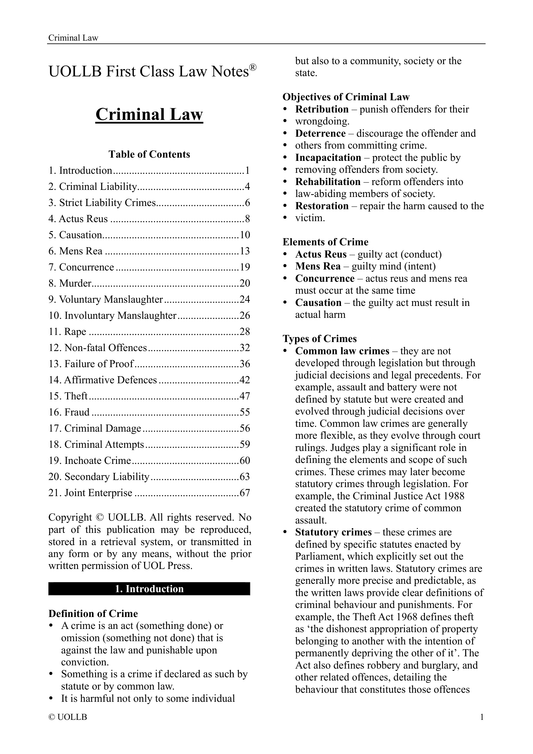
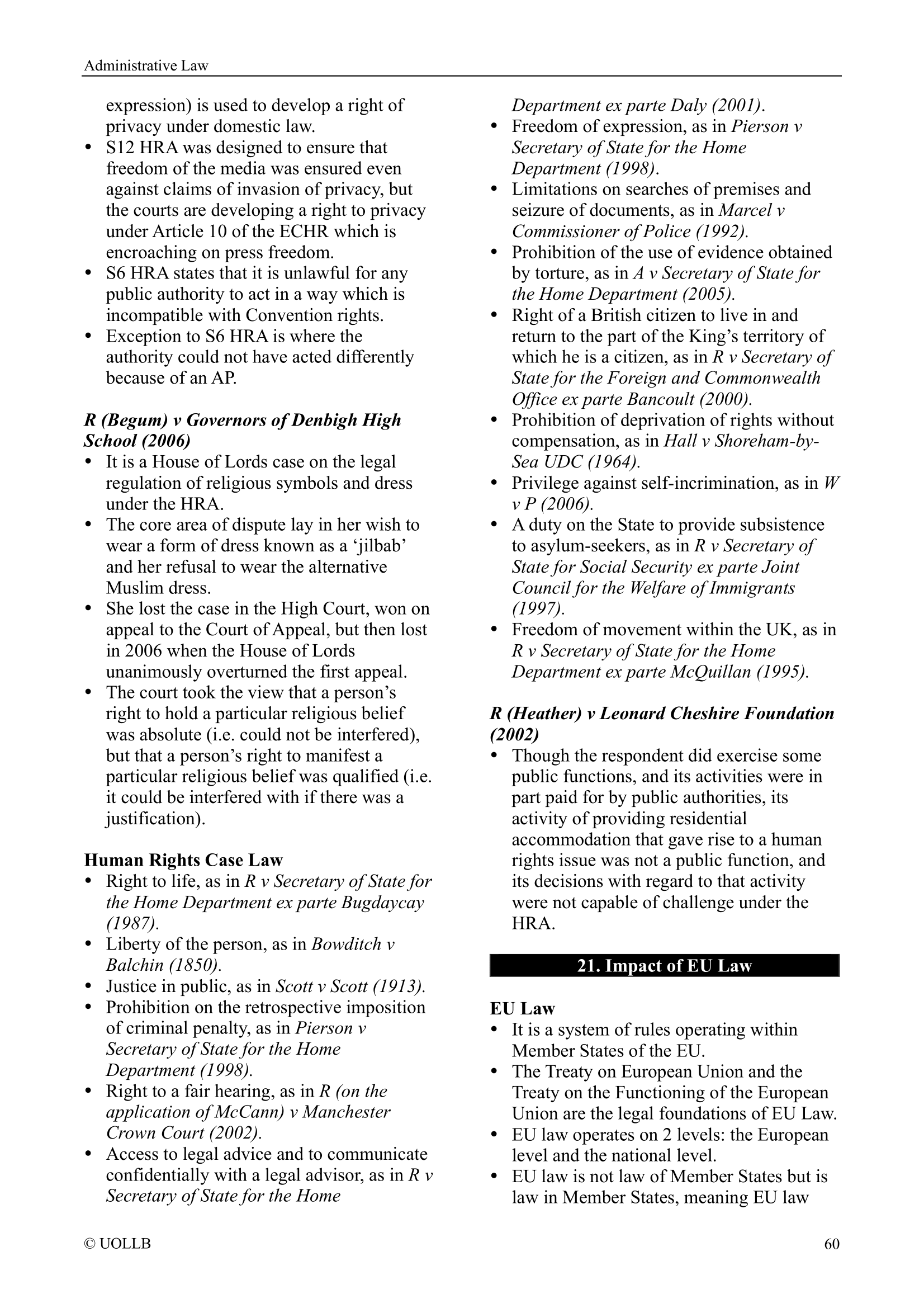
  • Criminal Practice

    Diagrams and Charts

    Our carefully designed diagrams and charts will guide you through complex legal issues.

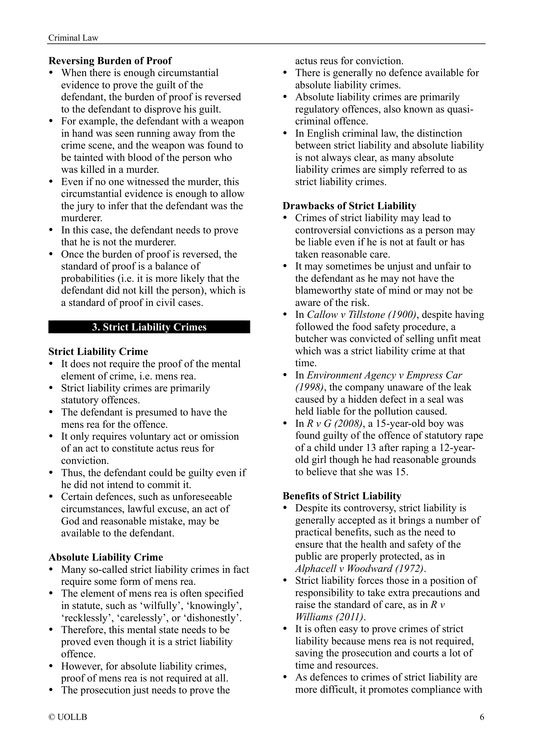
  • Criminal Law

    Clear and Succinct Definitions

    Key concepts are concisely defined to help you understand legal topics quickly.

  • Property Law

    Statutory Provisions

    Statutory provisions are provided side by side with legal concepts to help you swiftly locate the relevant legislation.

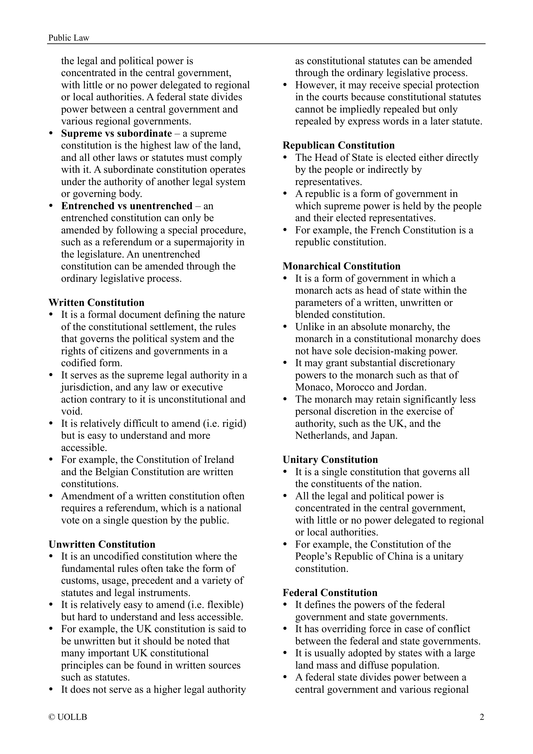
  • Public Law

    Case Summaries

    We have summarised important cases for you so that you don't need to read long and boring cases.

  • Evidence

    Rules and Exceptions

    Rules and exceptions are clearly listed so that you know when a rule applies and when it doesn't.

  • Company Law

    Terminology

    Legal terms and key concepts are explained at the beginning of each chapter to help you learn efficiently.

  • Case Law

    Case law is provided side by side with legal concepts so that you know how legal principles and precedents were established.

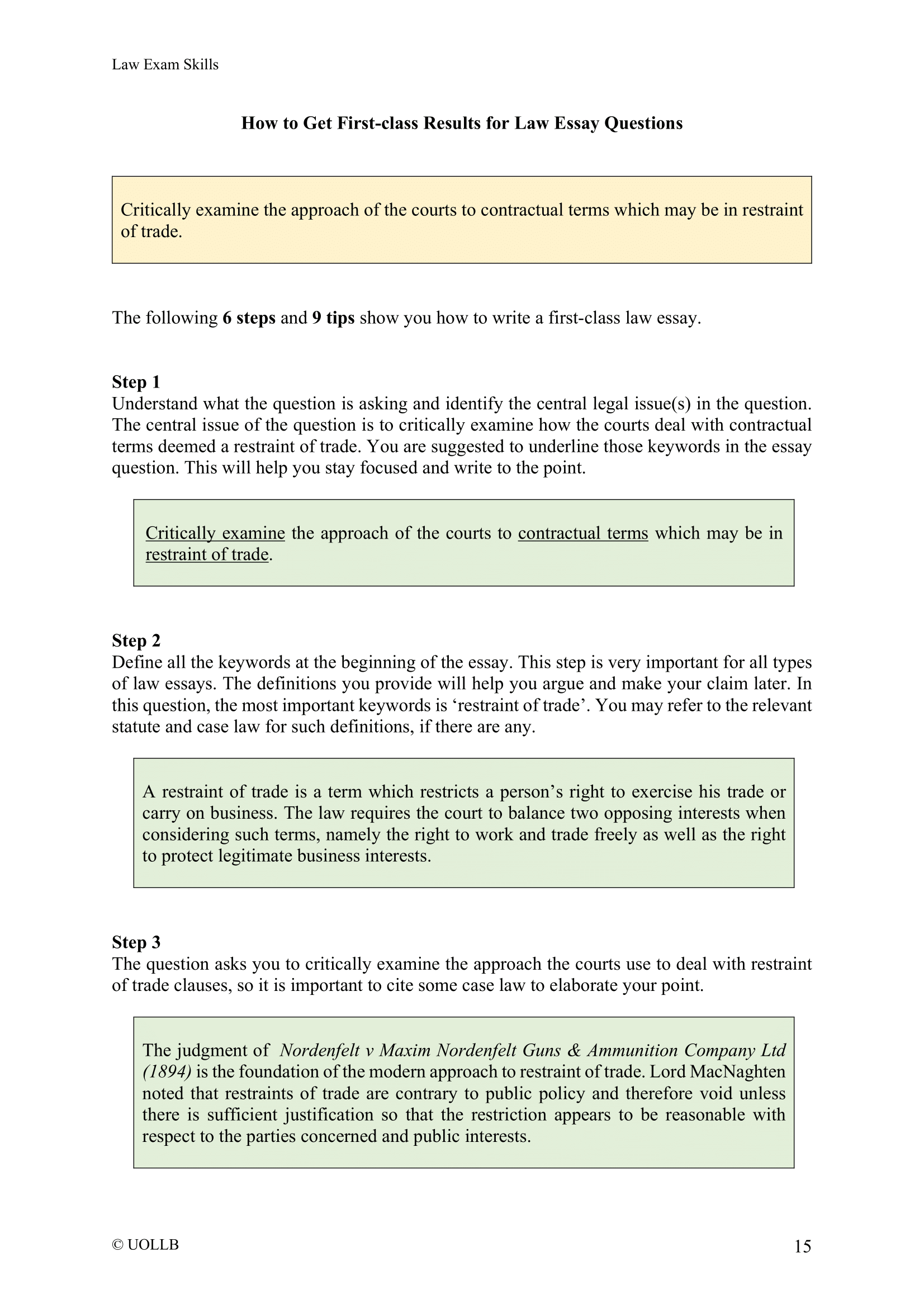
  • Law Exam Guide

    Law Essay Guide

    You will learn essential law exam skills and essay writing techniques that are not taught in class.

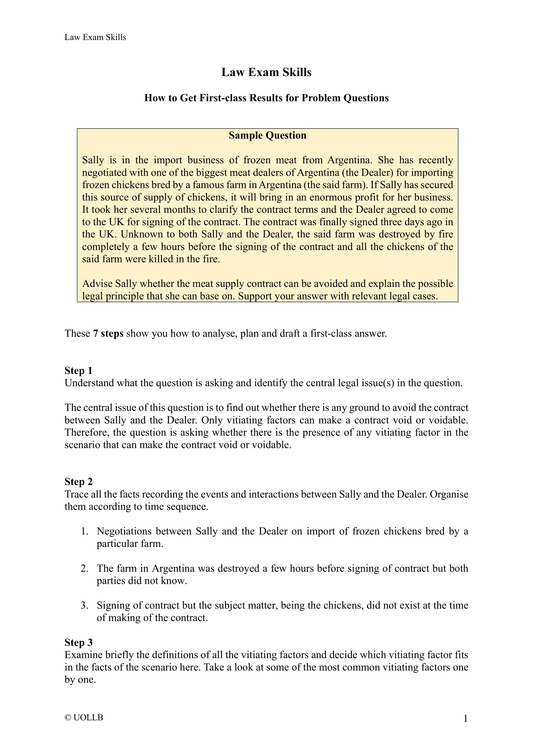
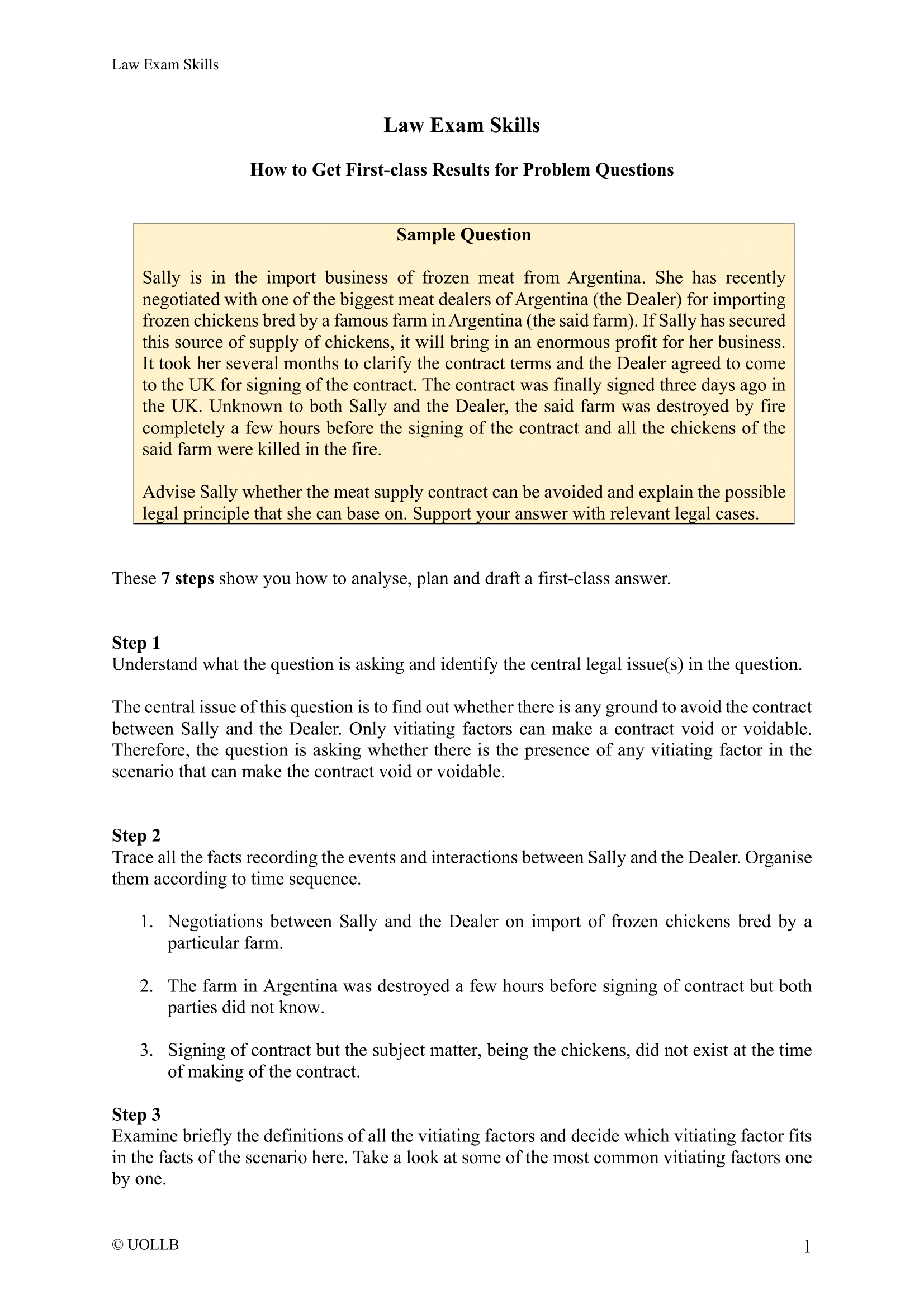
  • Law Exam Skills

    Problem Question Guide

    We will show you how to answer problem questions step by step to achieve first-class results.

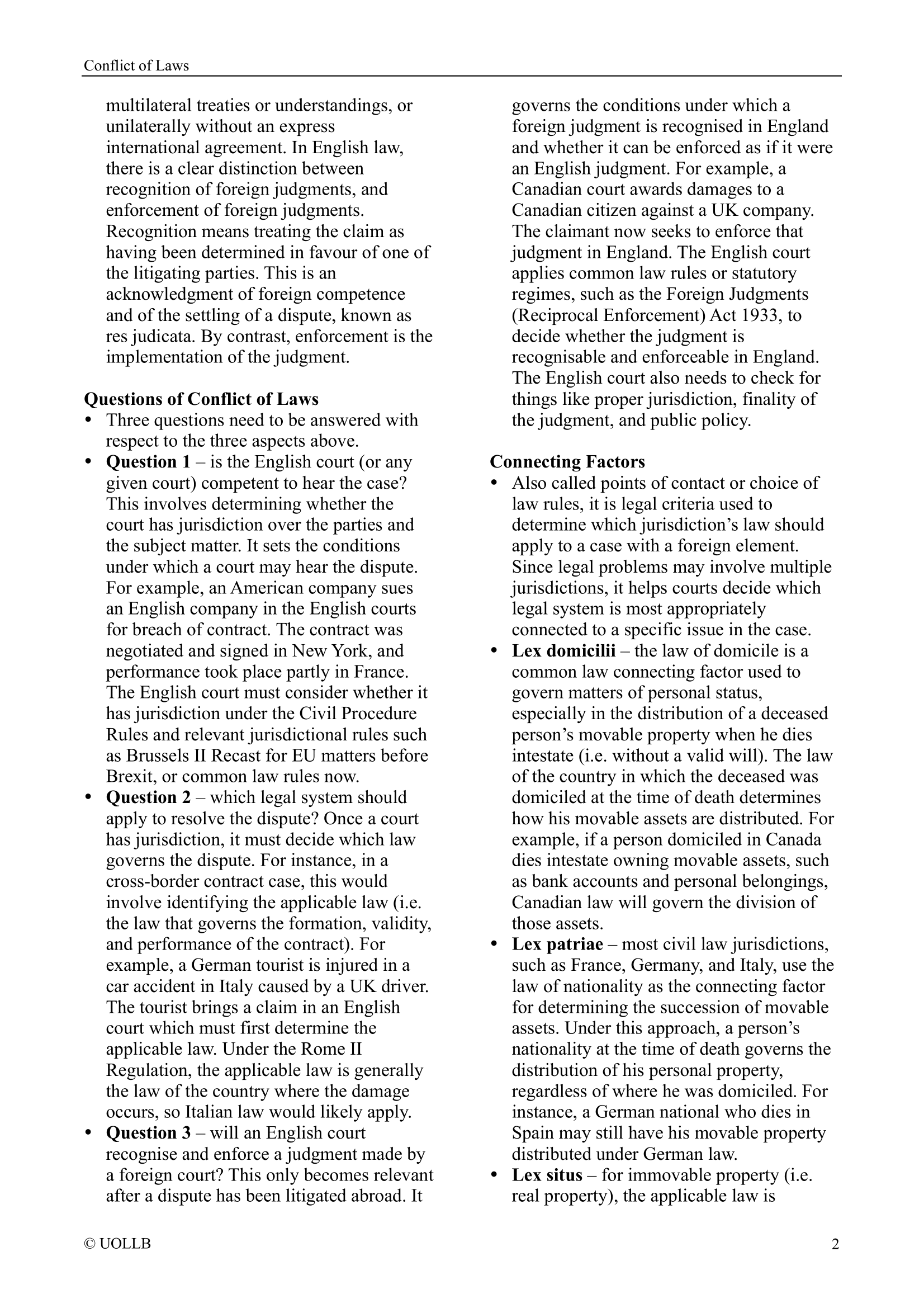
  • Conflict of Laws

    Structured Explanations

    Complex legal concepts are broken down into concise and digestible bullet point explanations.

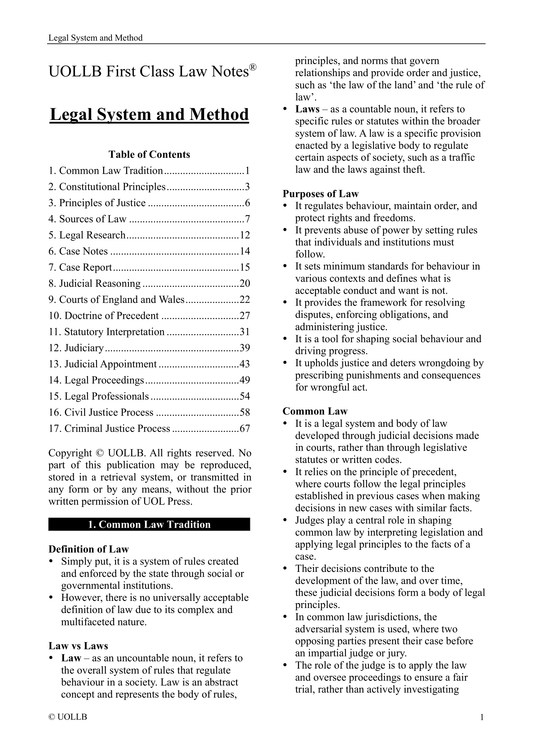
  • Legal System and Method

    Legal Research

    You will learn legal research techniques with our study guide and become a proficient legal researcher.

  • Jurisprudence and Legal Theory

    Exam-focused

    All essential concepts, principles, and case law are included so that you can answer exam questions quickly.