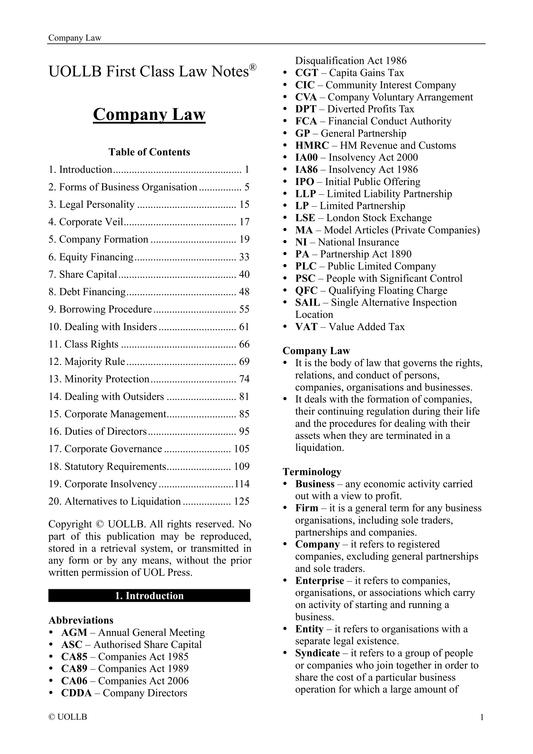
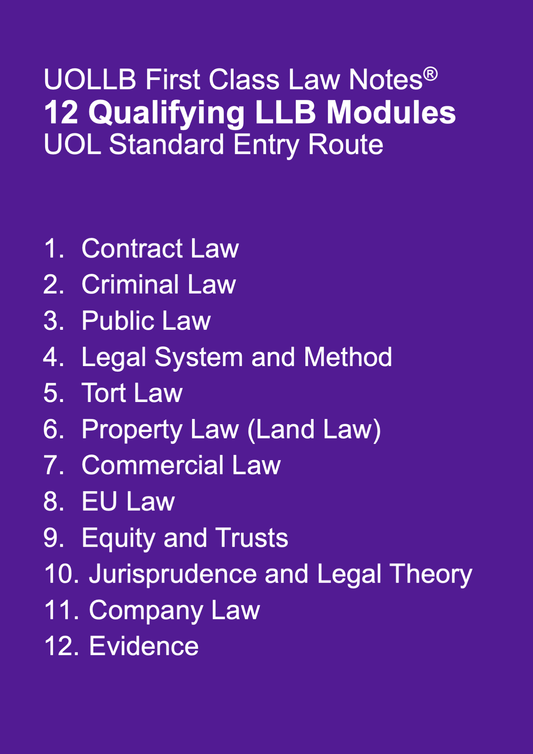
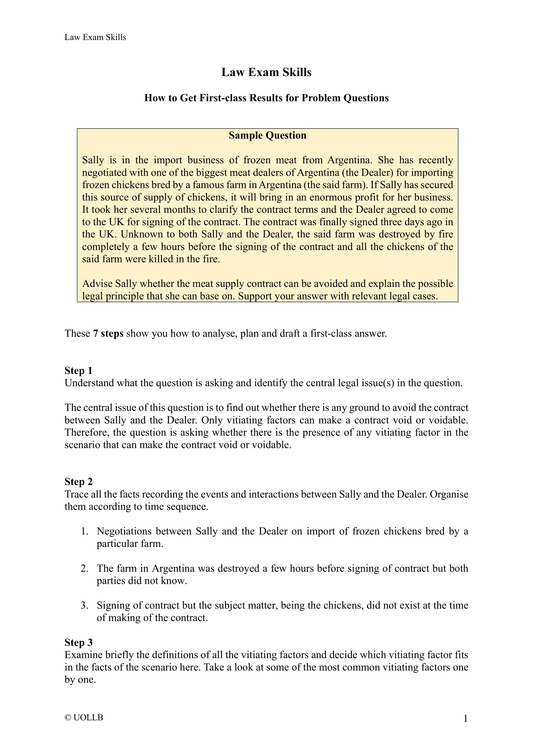
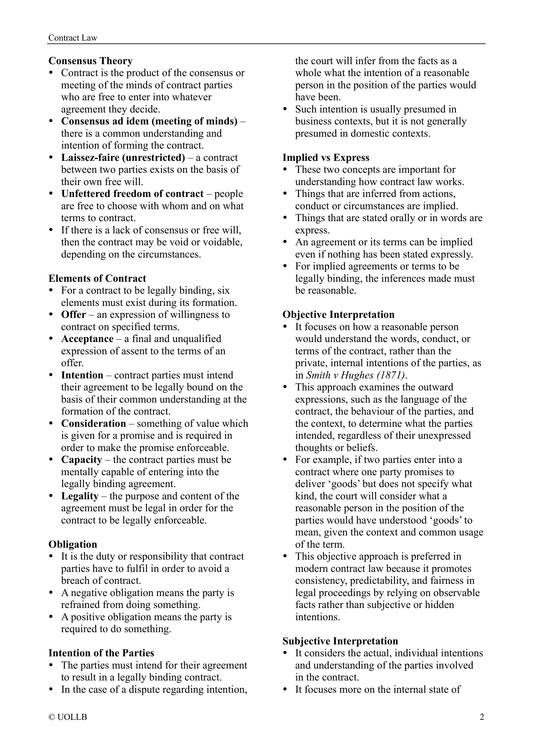
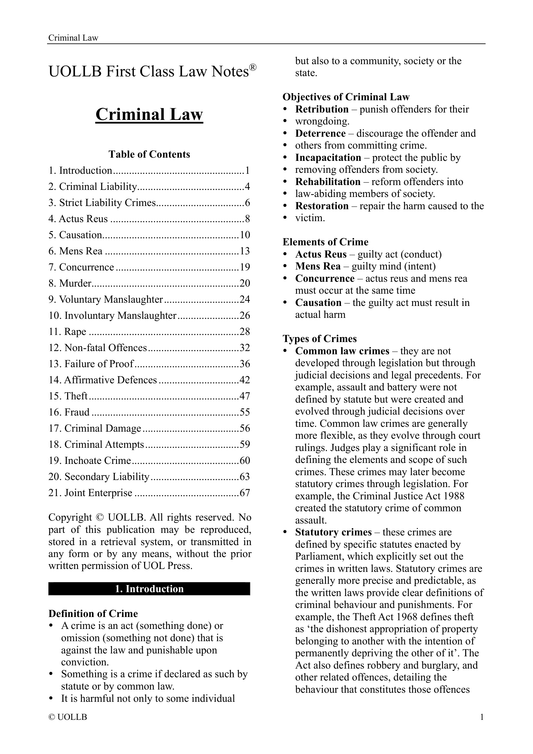
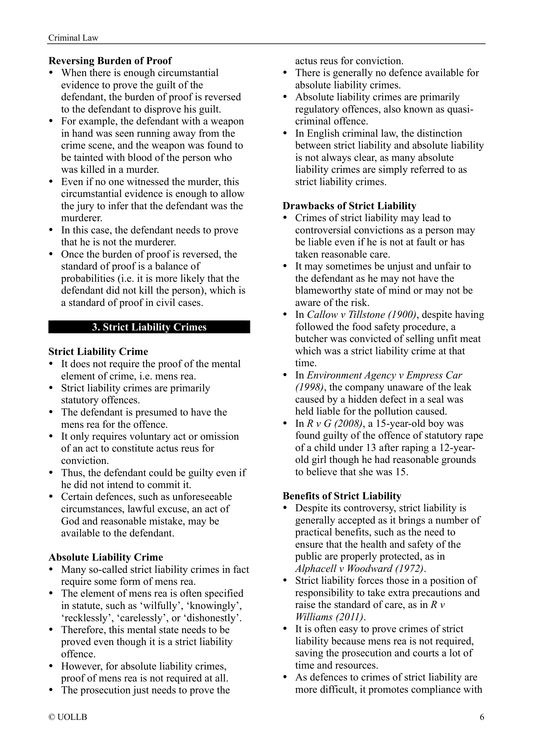
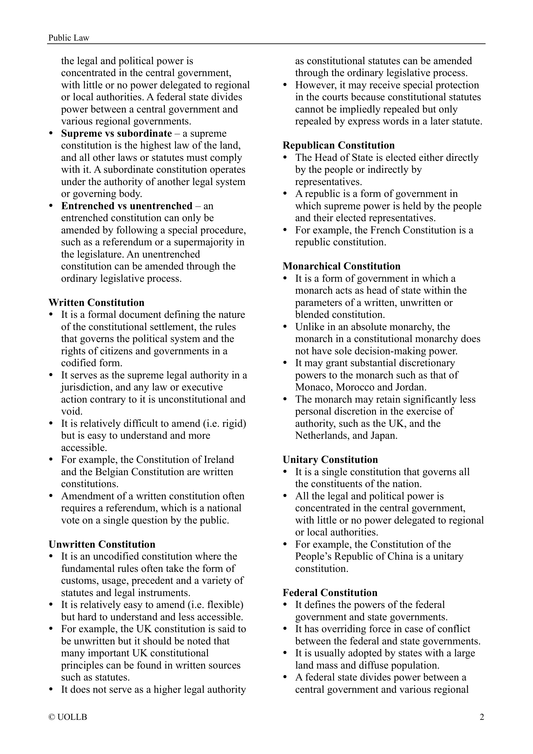
UOL Approval Criteria
Share
UOL Approval Criteria have been designed to apply across all subject areas, formats, and levels of study, from introductory courses and self-study guides through to advanced professional development programmes. Rather than assessing content against the requirements of any specific qualification or regulatory framework, our focus is on the fundamental qualities that define effective, ethical, and inclusive education: accuracy, clarity, sound structure, measurable outcomes, and respect for the diverse needs of learners.
1. Accuracy and Currency of Content
All materials and courses submitted for UOL Approval should demonstrate a reasonable standard of factual accuracy appropriate to the subject area. Content should be broadly current and reflect a generally accepted understanding of the topic, with significant factual errors or substantially outdated information being grounds for concern. Where a subject is fast-moving or contested, developers are encouraged to acknowledge this within the material rather than presenting a single position as definitive. Sources and references, where included, should be credible and relevant, though the depth of referencing expected will vary depending on the nature and level of the course and the purpose of the study materials.
2. Clarity and Accessibility of Language
Materials should be written or presented in language that is clear and appropriate for the intended audience. Technical or specialist terminology should be introduced in a way that supports understanding rather than creating unnecessary barriers, and the overall tone should be consistent and easy to follow. We recognise that different subjects and formats call for different styles, and we do not prescribe a single approach to language. What matters is that the intended learner can engage with the content without undue difficulty. Materials targeting international or diverse audiences should aim to avoid overly culture-specific language where this might hinder accessibility.
3. Logical Structure and Pedagogical Sequencing
Submitted materials should follow a broadly logical structure that allows learners to progress through the content in a coherent way. There should be a recognisable flow introducing topics before developing them, and drawing together key points by the end. Materials do not need to follow a rigid format, and creative or non-linear approaches to learning design are welcome provided they serve the learner's experience. What we are looking for is evidence that thought has gone into how the content is organised and how a learner will move through it.
4. Defined Learning Outcomes
Materials should include a clear indication of what learners can expect to gain from engaging with the content. These do not need to be formally written learning objectives in every case, but there should be sufficient clarity about the topics, the purpose and intended benefit of the course or material so that a prospective learner can make an informed decision about whether it is right for them. The content provided should broadly deliver on what is promised, with no significant gaps between what is stated and what is actually covered.
5. Assessment and Knowledge Reinforcement
Where assessments or knowledge checks are included, they should be appropriate in scope and difficulty for the subject and audience. We do not require all materials to include formal assessment, but some form of knowledge reinforcement, whether through questions, activities, reflection prompts, short summaries, or practical tasks, is strongly encouraged as it supports the learning process. Where feedback is provided to learners following assessment, it should be helpful and constructive rather than purely evaluative.
6. Inclusivity and Representation
Materials should be developed with awareness of the diversity of the learners likely to engage with them. Content should be free from discriminatory language, imagery, or examples, and should not make assumptions about learners based on gender, background, ethnicity, age, or any other characteristic. We encourage developers to consider whether their examples and case studies reflect a reasonably broad range of experiences and perspectives. Basic accessibility considerations, such as readable fonts, adequate contrast, and captioned audio-visual content where possible, are expected, though we understand that smaller developers may face practical constraints in this area.
7. Ethical Standards and Integrity
Content submitted for approval should be responsible and honest in how it presents information. Materials should not contain content that is deliberately misleading, harmful, or likely to cause distress to learners. Where sensitive topics are addressed, they should be handled with appropriate care. Any commercial relationships, sponsorships, or affiliations that have influenced the content should be disclosed. Materials aimed at younger learners or vulnerable groups should be age-appropriate and handled with additional sensitivity.
8. Author or Developer Credibility
Applicants should be able to provide a reasonable indication of their expertise or experience in the subject area they are teaching. This does not require formal academic credentials in every case. Teaching experience, industry background, or a demonstrable track record of delivering quality learning content are all valid indicators of credibility. Materials may be anonymous, but some information about the individual, or organisation behind the content should be made available to learners.
9. Originality and Intellectual Property
Submitted materials should be the original work of the applicant, or should include appropriate permissions and attributions for any third-party content used. Applicants are responsible for ensuring they have the right to use any content that is not their own, including images, data, and written extracts. Straightforward and transparent use of licensed or openly available material is perfectly acceptable provided it is properly acknowledged. The use of AI-assisted tools in content development is allowed but must incorporate human authorship and intellectual creation, and the applicant remains responsible for the quality and accuracy of the final material.
10. Commitment to Keeping Content Current
Developers are expected to take reasonable steps to keep their approved materials up to date as their subject area evolves. While we do not mandate a fixed review schedule, UOL Approval reserves the right to reassess materials where there is evidence that content has become significantly outdated or no longer reflects acceptable standards. Developers should notify us of any material changes to content following approval, and we encourage a collaborative approach to maintaining the quality of approved materials over time.