10 Things You Need to Know Before Studying Law
Share
So you have decided to study law. Perhaps you picture yourself arguing cases in a packed courtroom, drafting landmark legislation, or defending the rights of the vulnerable. Whatever your motivation, the decision to pursue a legal education is one of the most significant choices you will ever make. Law school is intellectually demanding, professionally transformative, and personally challenging in ways that most prospective students simply do not anticipate. Before you pay the tuition deposit or crack open your first casebook, there are things you genuinely need to understand. Not to discourage you, but to prepare you. The students who thrive in law school are almost always the ones who walked in with clear eyes. Here are the ten most important things to know before you begin.
1. Law Is Not What You See on Television
This needs to be said plainly and early: legal dramas are entertainment, not education. In reality, the vast majority of legal work is paper-based, procedural, and painstaking. Lawyers spend enormous amounts of time reading, writing, researching, and negotiating. Courtroom advocacy, particularly the dramatic cross-examination variety, is a comparatively rare experience for most practitioners.
Before committing to law school, try to get real exposure to the profession. Shadow a solicitor or barrister for a week. Attend a civil hearing at your local court. Read legal journals, not just legal thrillers. Talk to qualified lawyers about what their actual working week looks like. You may find that the reality excites you just as much as the fiction. But you deserve to make that judgment based on truth, not on dramatised versions of the profession.
Understanding what lawyers really do will also help you choose the right area of specialisation later. Commercial law, criminal law, family law, immigration law, and public law are vastly different disciplines with very different day-to-day realities.
2. Reading Will Become Your Entire Life
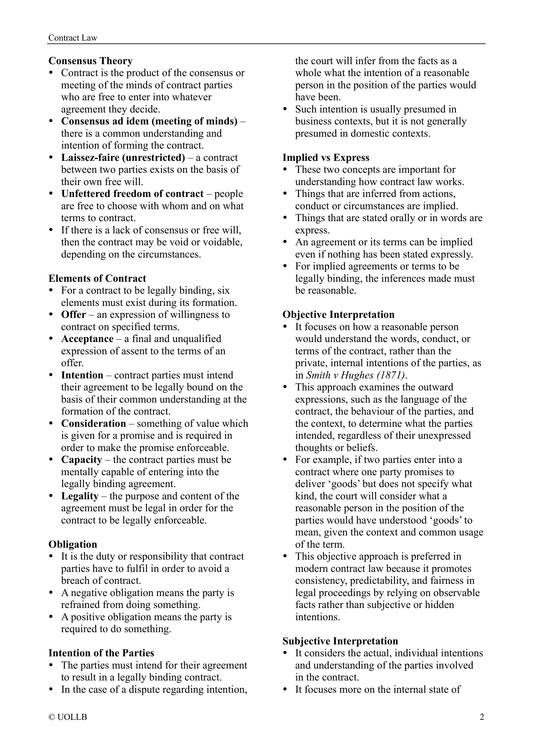
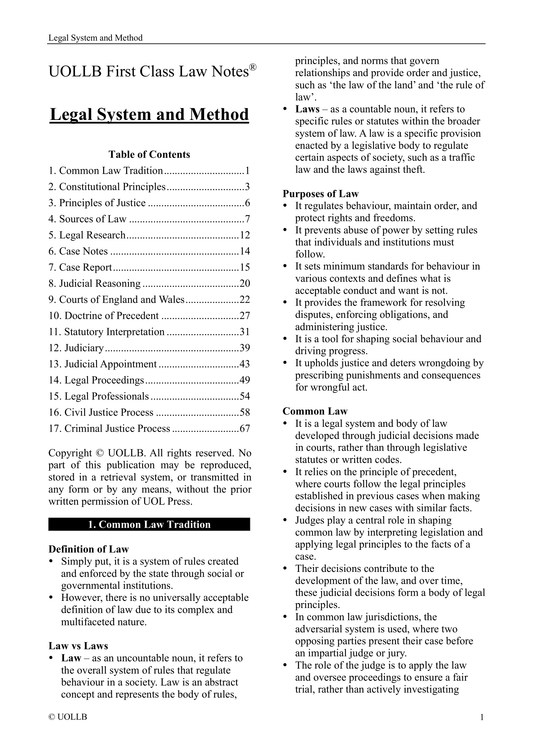
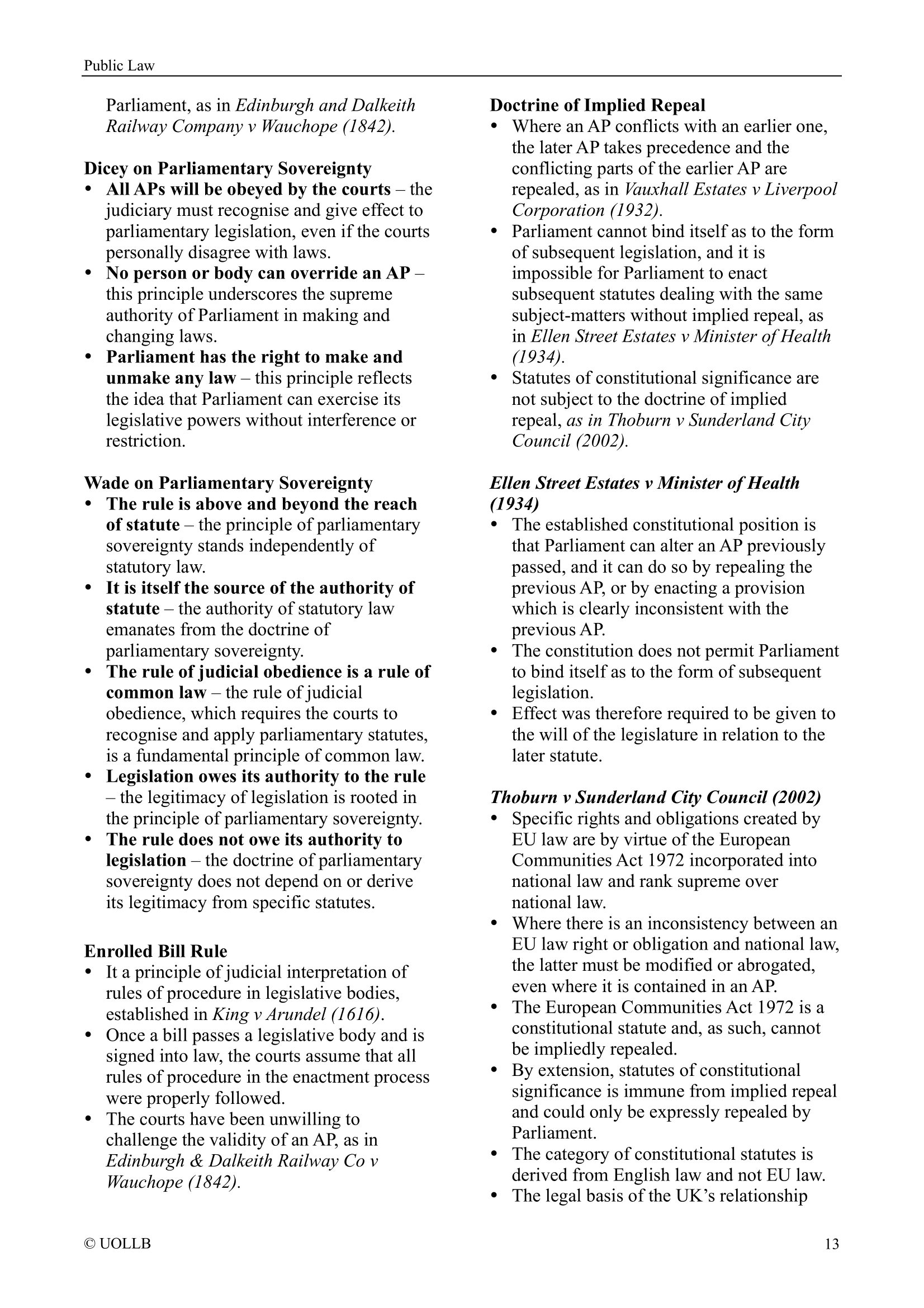
Law is, above all else, a reading discipline. The volume of material you will be expected to absorb, analyse, and retain is staggering. A single week of law school reading can run into hundreds of pages: case judgments, statutes, academic articles, textbook chapters, and procedural rules. And unlike reading a novel, legal reading demands close attention to language. A single word in a statute can change its entire meaning. A single sentence in a judgment can overturn decades of precedent.
You need to be not merely comfortable with heavy reading but genuinely good at it. This means developing the ability to identify the core reasoning in a judgment quickly, to distinguish ratio decidendi from obiter dicta, and to read critically rather than passively. If you currently find sustained reading difficult or tedious, law school will be a very hard environment. That is not a disqualification, but it is a skill you should start developing now, before you begin.
Start reading quality long-form writing regularly. Get into the habit of reading judgments from your jurisdiction's courts. Practise taking notes on complex texts. Build your reading stamina deliberately.
3. You Will Learn to Think Differently
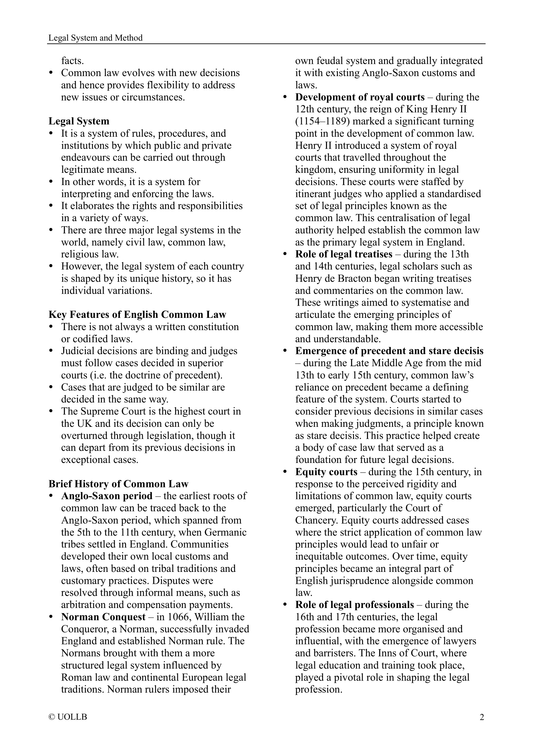
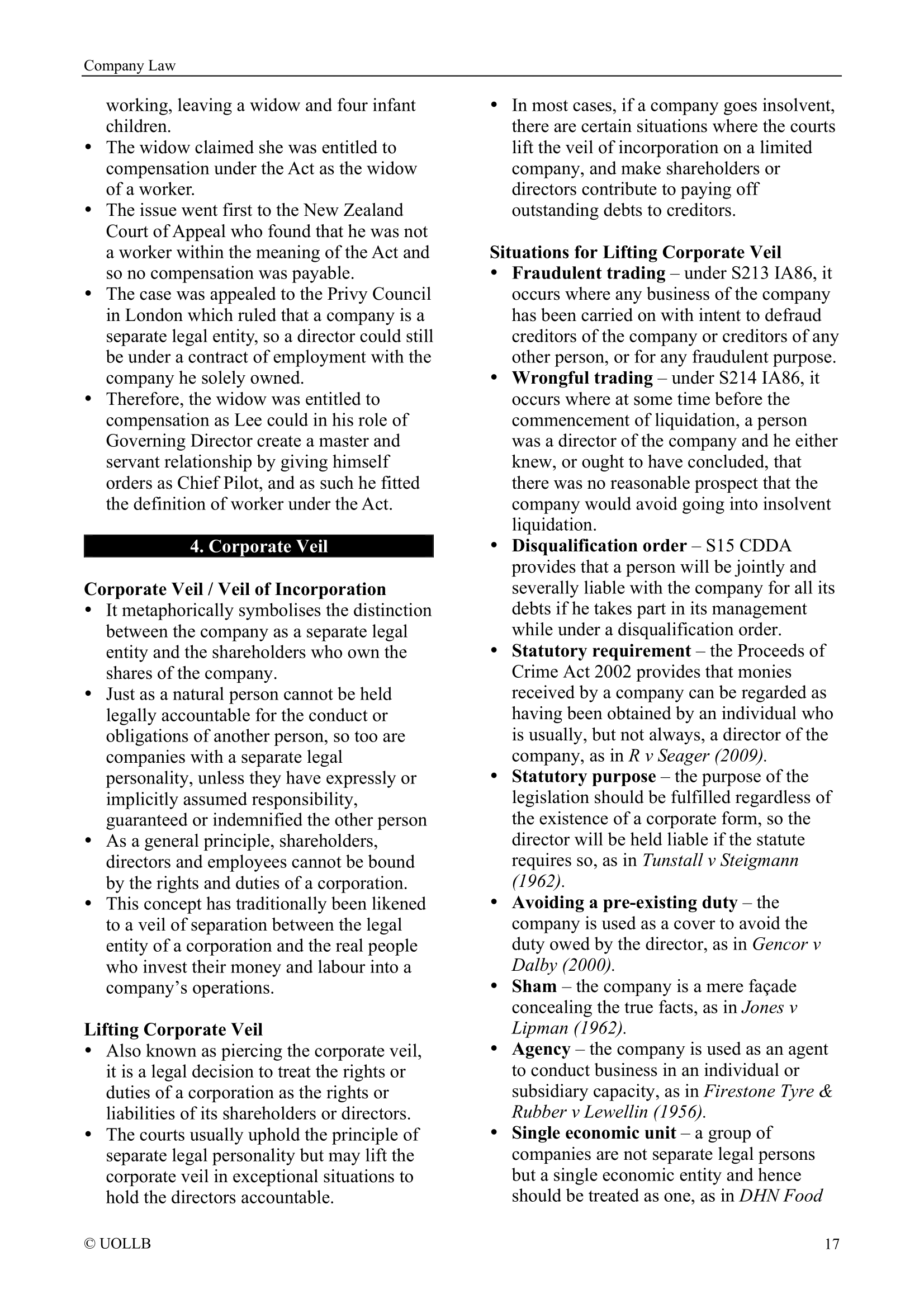
One of the most profound and disorienting aspects of legal education is that it does not just teach you law. It teaches you a new way of thinking. Legal reasoning is structured, precise, and adversarial in a particular way. You will learn to argue both sides of a question with equal conviction. You will learn to find the weakness in every argument, including your own. You will learn to think in terms of rules, exceptions, and the application of general principles to specific facts.
This transformation is one of the great gifts of a legal education, but it takes adjustment. Many students find that their relationships with family and friends shift as they develop what can come across as a tendency to over-analyse, to challenge assertions, or to refuse to accept simple answers to complex questions. This is known, somewhat affectionately, as "thinking like a lawyer."
Be prepared for this change. Embrace it, but also be mindful of when it is appropriate and when it is simply exhausting for the people around you. The analytical habit of mind that makes a great lawyer can make for a trying dinner companion.
4. The Workload Is Genuinely Demanding
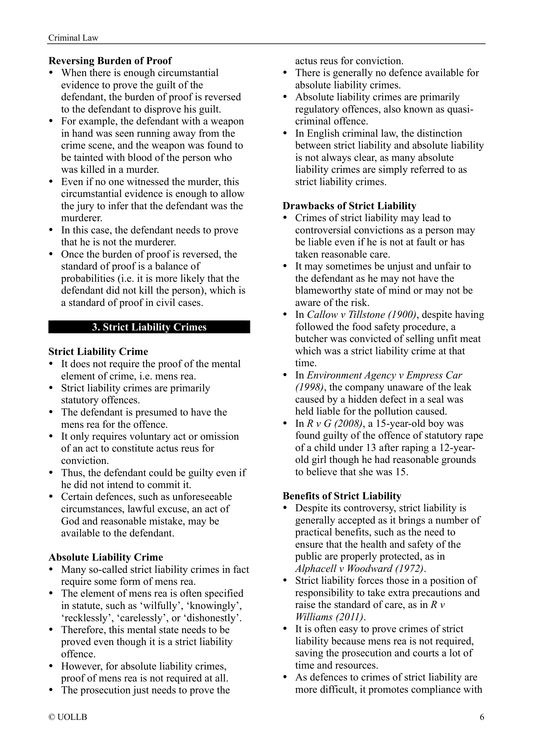
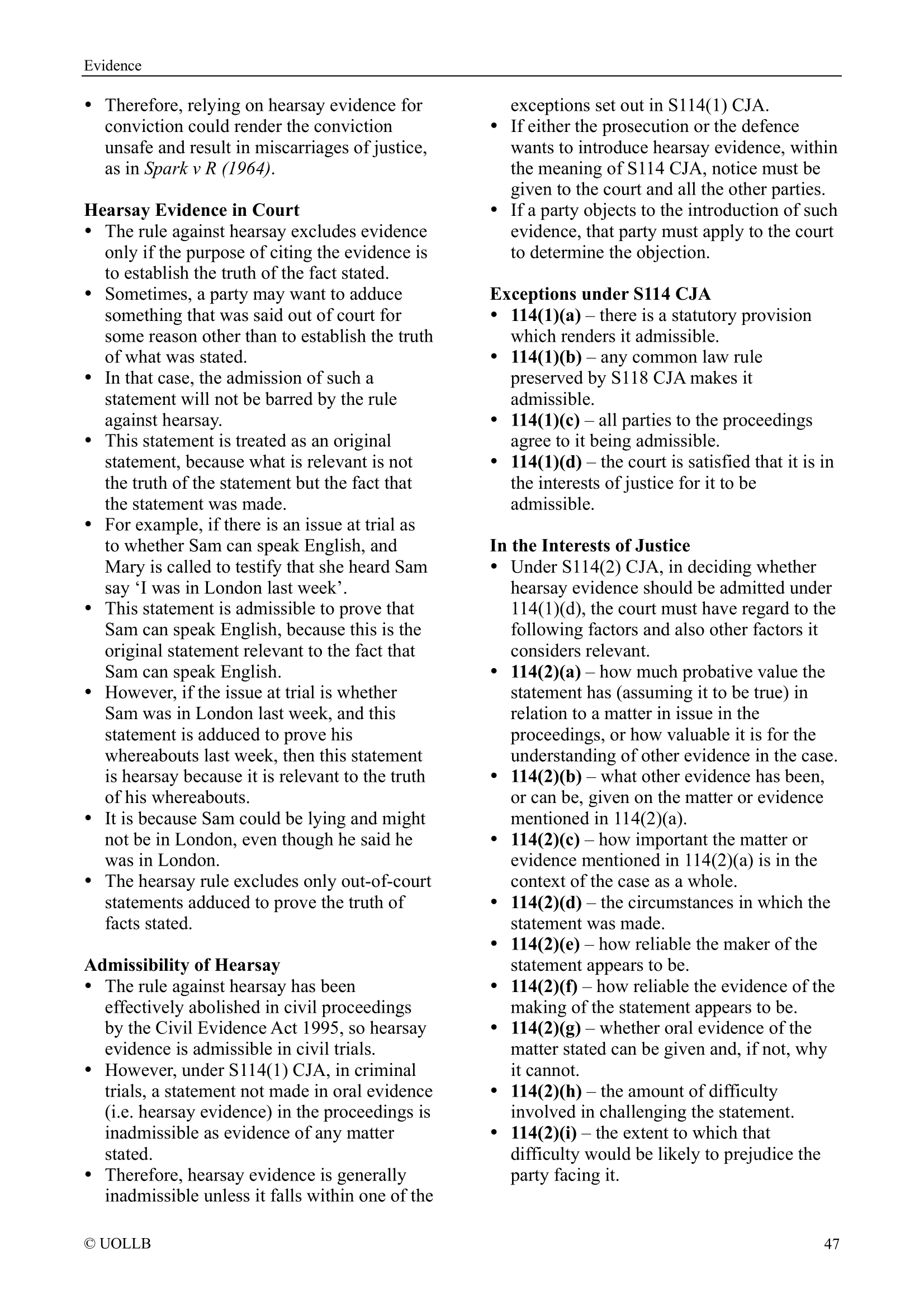
Law school is not merely academically difficult. It is time-consuming in a way that most undergraduate degrees are not. Lectures are only a fraction of the commitment. Before each seminar or tutorial, you will be expected to have completed substantial preparatory reading and to be ready to engage with it analytically in class. Cold-calling, where a professor selects a student at random and asks them to walk through a case or apply a rule, is common in many law schools. Being unprepared is not just embarrassing. It is noticed.
Beyond contact hours and reading, there are mooting competitions, pro bono work, law society activities, internship applications, and networking events, all of which matter enormously for your future career. Students who treat law school as a nine-to-five undertaking often find themselves falling behind.
This is not said to alarm you, but to help you plan realistically. Before starting, think seriously about your other commitments. If you are studying while working, or supporting a family, or managing a health condition, you need robust support structures in place. Law school rewards those who can sustain high output over a long period. Stamina is not a minor asset. It is essential.
5. The Cost Is Significant, and the Return Is Not Guaranteed
Legal education is expensive. Tuition fees, living costs, bar preparation courses, and professional training qualifications add up to a substantial financial commitment. Many law graduates carry considerable debt by the time they are qualified, and the return on that investment is far from uniform.
It is a widespread misconception that all lawyers earn high salaries. While partners at large commercial law firms can earn extraordinary amounts, many solicitors working in legal aid, local government, the voluntary sector, or smaller high street practices earn modest incomes, particularly in the early years of their careers. Barristers at the junior end of the profession often face years of financial uncertainty before their practices become stable.
Before committing financially, research the salary expectations realistically for the type of law you want to practise. Speak to lawyers working in those areas. Consider whether you would still find the work meaningful if it paid less than you hoped. Make sure you understand the full cost of qualifying in your jurisdiction, including any postgraduate professional training requirements beyond the academic law degree itself.
6. Networking and Reputation Begin on Day One
In law, reputation travels fast, and it starts building long before you are qualified. Law schools are surprisingly small communities. The student you are rude to in a seminar may be the trainee solicitor interviewing you in three years. The professor whose feedback you dismiss may be the reference-writer who shapes your application to a firm. The relationships you build during your legal education form part of the professional infrastructure of your entire career.
This does not mean that you should be strategically pleasant or inauthentic. It means that you should take every professional interaction seriously and treat every person you encounter with genuine respect. Volunteer for mooting competitions, participate in law clinics, attend careers events, and introduce yourself to visiting speakers. These habits, built early, compound significantly over time.
Equally, start thinking about your professional identity. What kind of lawyer do you want to be? What values do you want your practice to reflect? Students with a clear sense of direction tend to make better use of networking opportunities because they are genuinely interested in certain types of work and the people who do it.
7. Mental Health Challenges Are Widespread in the Profession
This is one of the things that is spoken about far too rarely in pre-law conversations. The legal profession has significantly elevated rates of anxiety, depression, burnout, and substance misuse compared to the general population. Law school itself can be a source of considerable psychological pressure: competitive environments, high stakes, frequent criticism of your written work, uncertainty about your future career, and a culture that sometimes conflates stoicism with strength.
This does not mean that studying law is inevitably damaging to your wellbeing. Many lawyers have deeply fulfilling professional lives. But going in without an understanding of these pressures, and without strategies for managing them, leaves you unnecessarily vulnerable.
Before you start, think honestly about your mental health. Do you have good mechanisms for managing stress? Do you have a support network you can rely on? Are you in a stable place? Law school is manageable for most people who are prepared, but it is not a good environment for ignoring pre-existing difficulties and hoping they will resolve themselves under pressure. Know your resources, including student counselling services, and do not be too proud to use them.
8. The Law Is Not Always Just
This one can be a genuine shock, especially for students who come to law with a strong sense of moral purpose. The law and justice are not synonyms. Legal outcomes depend on evidence, procedure, resources, and the quality of legal representation available to each party. A guilty person may go free because evidence was improperly obtained. An innocent person may be convicted because they could not afford adequate legal representation. A corporation may act reprehensibly and face no legal consequence because its behaviour, while harmful, falls outside the reach of existing law.
You need to be able to sit with this. Not to abandon your moral commitments, but to understand that your role as a lawyer is often to work within a system, to represent your client's interests within the rules, and to argue for the law as it is while perhaps also working to change it over time. Lawyers who cannot separate their personal judgments from their professional obligations tend to struggle. So do lawyers who have no personal judgments at all.
The most effective approach is to develop a clear ethical framework for yourself before you begin, and to continue refining it throughout your education. Think about what kinds of work you would refuse to do and why. Think about the limits of your professional obligations. This preparation will serve you when you face genuinely difficult ethical situations in practice.
9. Specialisation Matters More Than You Think
Many students arrive at law school imagining they will figure out what kind of lawyer they want to be somewhere along the way. This is fine as an initial attitude, but do not let it persist too long. Legal careers become specialised quickly, and the path to certain areas of practice requires deliberate preparation that starts in law school.
If you are interested in commercial law, you need relevant work experience, strong academic results, and a clear understanding of business. If you want to practise criminal defence, you need advocacy experience and ideally some exposure to the criminal justice system. Human rights law is extremely competitive and typically requires a strong academic record, postgraduate study, and language skills in addition to legal ones.
Use your time at law school to explore, but do so with genuine curiosity and with an eye on the practical requirements of the areas that interest you. Talk to practitioners, apply for internships and vacation schemes early, and do not wait until your final year to start thinking seriously about the direction you want your career to take.
10. A Law Degree Is the Beginning, Not the End
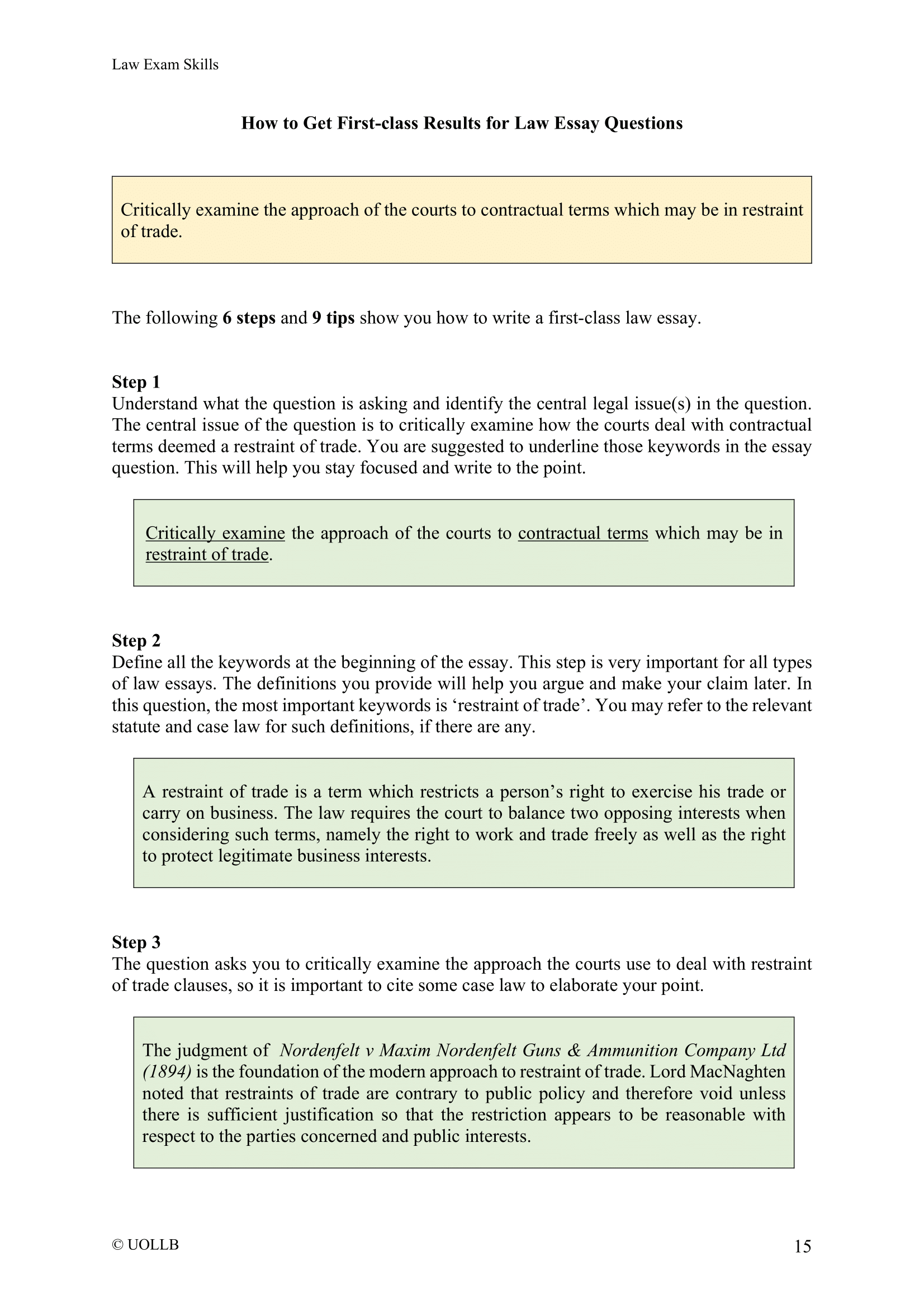
Perhaps the most important mindset adjustment to make before you start is this: a law degree is not a qualification. It is the foundation of one. In most jurisdictions, qualifying as a lawyer requires significant additional training and assessment beyond the undergraduate degree. In England and Wales, for example, graduates must complete professional training qualifications before being admitted to the Roll of Solicitors or called to the Bar. In the United States, a law degree is a postgraduate qualification and must be followed by passing the bar examination of the relevant state.
Even once you are qualified, learning does not stop. Law changes constantly. New statutes are passed, old ones are amended, and courts interpret rules in new ways that affect established practice. The lawyers who build the most respected careers are those who approach the law as a lifelong intellectual discipline, not a body of knowledge to be mastered and then set aside.
Start as you mean to go on. Cultivate genuine intellectual curiosity about the law. Read beyond your syllabus. Engage with legal debates happening in the wider world. Develop the habit of asking not just what the law is, but why it is that way, and whether it should be changed. That kind of thinking will make you not just a competent practitioner but a genuinely good lawyer.
Final Thoughts
Studying law is one of the most intellectually rigorous and potentially rewarding paths you can choose. The discipline sharpens your mind, gives you tools to navigate complex systems, and opens doors across an enormous range of careers, both within and beyond the legal profession itself. But it demands honesty from the outset: honesty about your motivations, your strengths, your limitations, and your expectations.
The students who flourish are not necessarily the most naturally brilliant. They are the ones who are genuinely curious, practically prepared, emotionally resilient, and clear-eyed about the work ahead. If you have read this far and you still want to study law, that is a good sign. Go in prepared, and you will be in an excellent position to make the most of everything the law has to offer.