Criminal Procedure Rules and Criminal Practice Directions

The Criminal Procedure Rules (CrimPR) are the main procedural code governing criminal cases in England and Wales. They set out the rules that courts and parties must follow from the start of a criminal case through to its conclusion, including matters such as case management, disclosure, evidence, and trial procedure. The CrimPR apply across all criminal courts, including the Magistrates' Courts, the Crown Court, and the Court of Appeal. Like the CPR in civil cases, the CrimPR are underpinned by an overriding objective, which is to ensure that criminal cases are dealt with justly. This includes acquitting the innocent, convicting the guilty, dealing with cases efficiently and expeditiously, and respecting the rights of defendants, victims, and witnesses.

A central feature of the CrimPR is their strong emphasis on active case management. Courts are expected to take a proactive role in managing cases to avoid unnecessary delay and ensure that issues are identified early. This includes setting timetables, encouraging cooperation between prosecution and defence, and ensuring that evidence is presented efficiently. The parties themselves also have a duty to assist the court in achieving the overriding objective by engaging with the process, complying with directions, and identifying the real issues in dispute at an early stage.

Alongside the CrimPR are the Criminal Practice Directions (CPDs), which provide detailed guidance on how the rules should be applied in practice. While the CrimPR establish the general procedural framework, the CPDs give more specific instructions on matters such as the form and content of applications, handling of evidence, and courtroom procedure. They are issued by the senior judiciary and carry authoritative weight, meaning that courts and practitioners are expected to follow them unless there is good reason not to.

In practice, the CrimPR and CPDs operate together as a unified procedural code. A rule in the CrimPR might state that an application must be made, while the relevant Practice Direction will explain how that application should be formatted, served, and supported by evidence. Non-compliance with either the rules or the directions can result in adverse consequences, such as exclusion of evidence, adjournments, or costs orders. Together, they ensure that criminal proceedings are conducted in a structured, fair, and efficient manner, balancing the need for justice with practical case management.

Back to blog
UOLLB SQE Turbocharge

UOLLB SQE Turbocharge

Get fully prepared for SQE1 without breaking the bank. Access cost-effective SQE study manuals and 2000 practice questions developed by UOLLB, edited by lawyers, and published by UOL Press.

Turbocharge SQE Performance
UOL Case Bank

UOL Case Bank

Upon joining, you become a valuable UOL student and gain access to over 2,200 essential case summaries. UOL Case Bank is approved by UOL School of Law and is constantly expanding. Speed up your revision with us now.

Subscribe Now

Join students and legal professionals from Legal 500 firms, top universities and international organisations who trust UOLLB

Council of Europe
Crown Prosecution Service
Ministry of Defence
Baker Mckenzie
Linklaters
Atsumi & Sakai
Yale University
UC Berkeley
University of Chicago
Columbia University
New York University
University of Michigan
INSEAD
University of London
University College London (UCL)
London School of Economics (LSE)
King’s College London (KCL)
Royal Holloway, University of London 
Birkbeck, University of London
SOAS, University of London
University of Manchester
University of Zurich
University of York
Brandeis University
University of Exeter
University of Sheffield
Boston University
University of Washington
University of Leeds
University of Law
University of Kent
University of Hull
University of Notre Dame
Cardiff University
Queen’s University Belfast
Arizona State University
McGill University
Toronto Metropolitan University
University of Hong Kong (HKU)
Hong Kong University of Science and Technology (HKUST)
University of Buckingham
Robert Gordon University
ESSEC Business School
University of Puerto Rico

  • Criminal Practice

    Diagrams and Charts

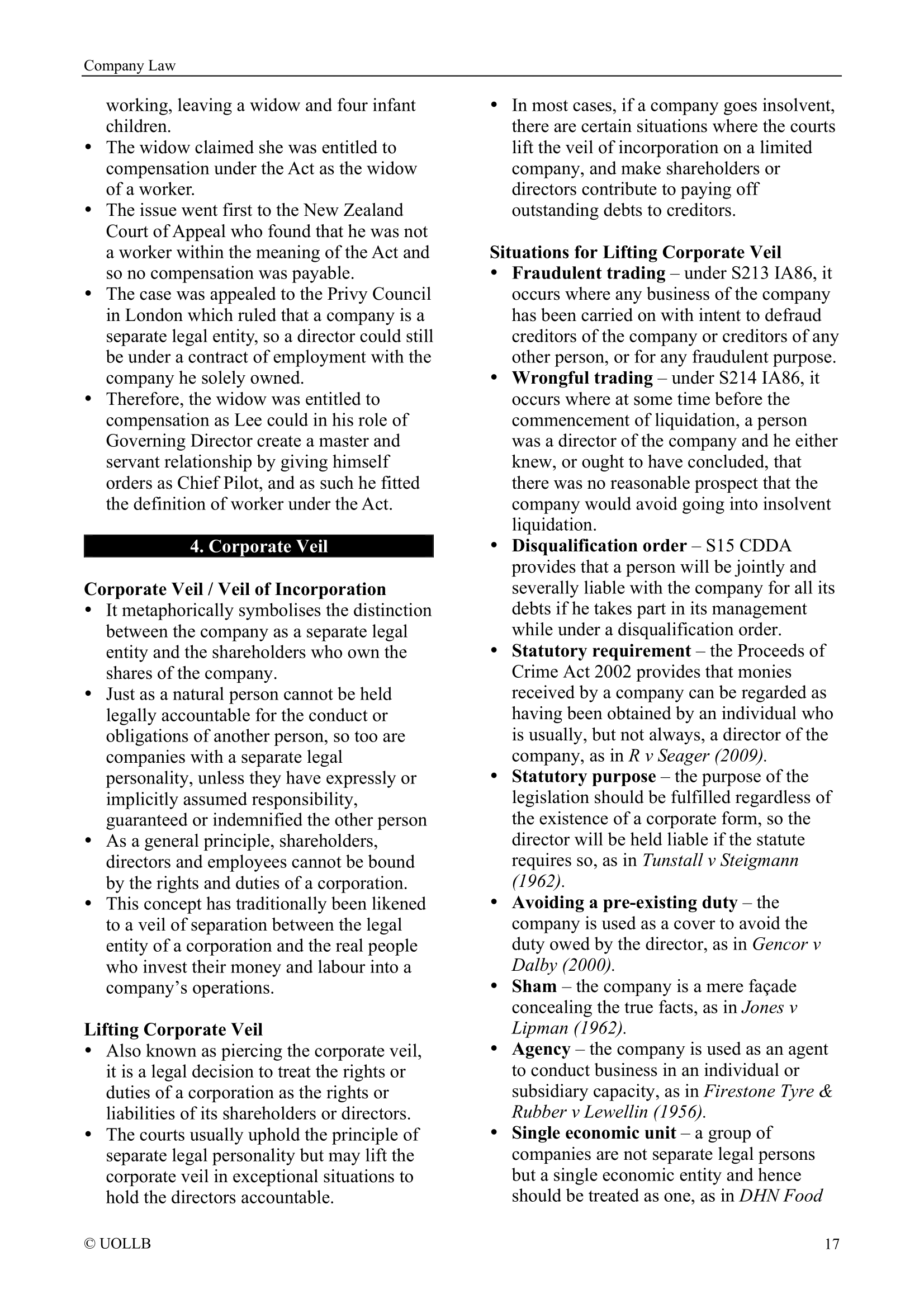
    Our carefully designed diagrams and charts will guide you through complex legal issues.

  • Criminal Law

    Clear and Succinct Definitions

    Key concepts are concisely defined to help you understand legal topics quickly.

  • Property Law

    Statutory Provisions

    Statutory provisions are provided side by side with legal concepts to help you swiftly locate the relevant legislation.

  • Public Law

    Case Summaries

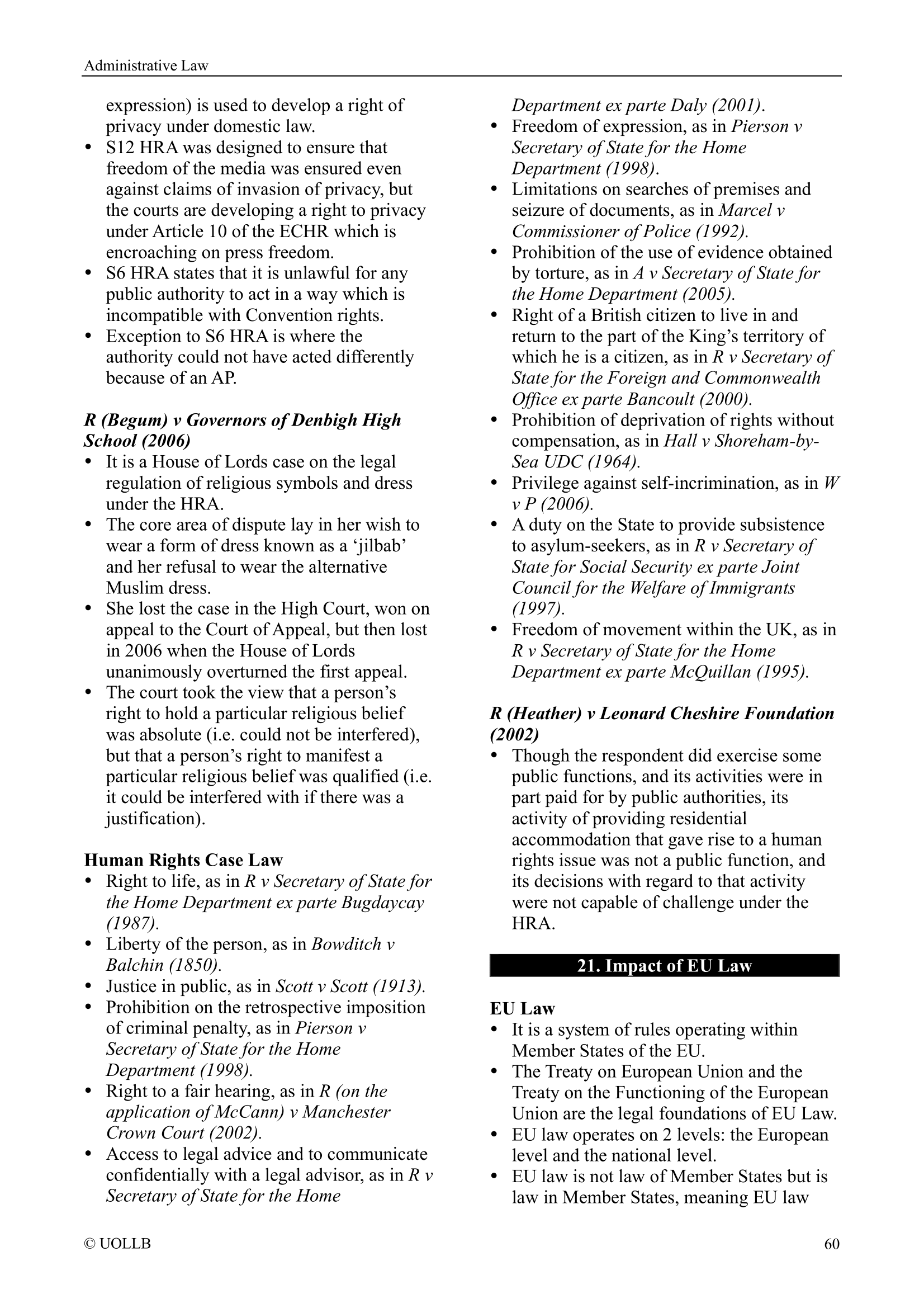
    We have summarised important cases for you so that you don't need to read long and boring cases.

  • Evidence

    Rules and Exceptions

    Rules and exceptions are clearly listed so that you know when a rule applies and when it doesn't.
  • Company Law

    Terminology

    Legal terms and key concepts are explained at the beginning of each chapter to help you learn efficiently.

  • Case Law

    Case law is provided side by side with legal concepts so that you know how legal principles and precedents were established.

  • Law Exam Guide

    Law Essay Guide

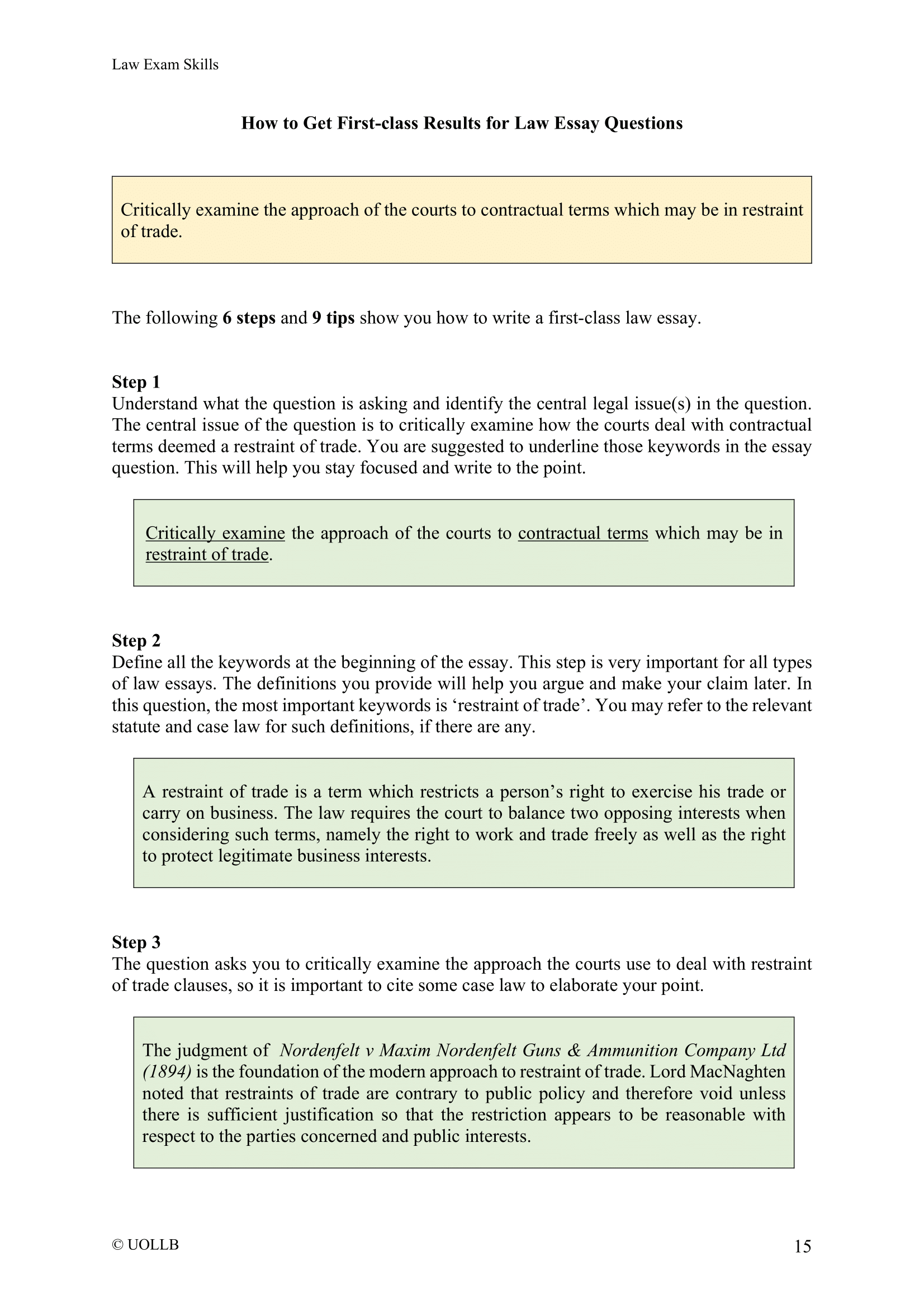
    You will learn essential law exam skills and essay writing techniques that are not taught in class.

  • Law Exam Skills

    Problem Question Guide

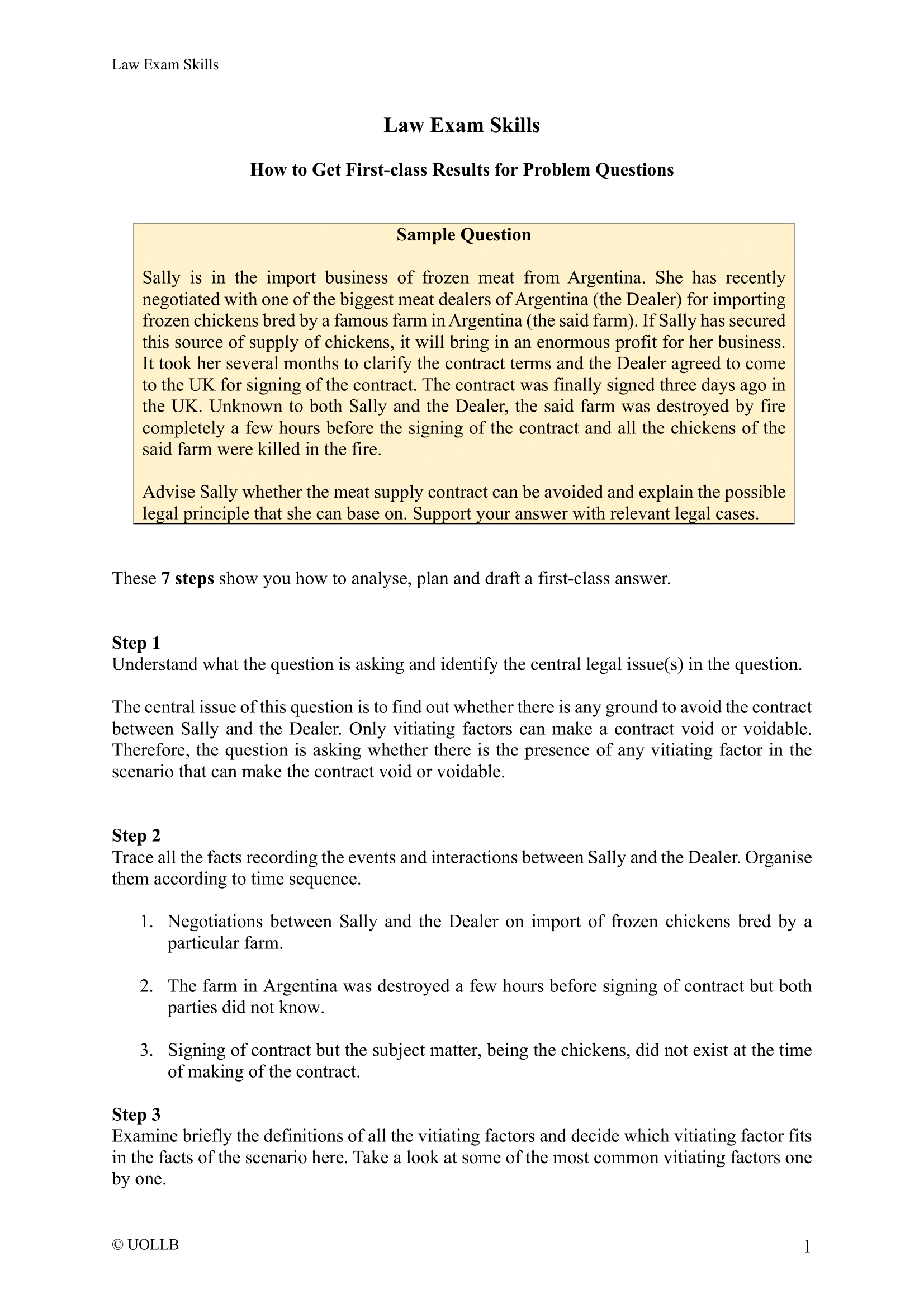
    We will show you how to answer problem questions step by step to achieve first-class results.

  • Conflict of Laws

    Structured Explanations

    Complex legal concepts are broken down into concise and digestible bullet point explanations.

  • Legal System and Method

    Legal Research

    You will learn legal research techniques with our study guide and become a proficient legal researcher.

  • Jurisprudence and Legal Theory

    Exam-focused

    All essential concepts, principles, and case law are included so that you can answer exam questions quickly.