Fortuity Principle
Share
In insurance law, the fortuity principle requires that the insured event must be accidental, uncertain, or dependent on chance from the perspective of the parties at the time the insurance contract is formed, rather than something that is inevitable or deliberately brought about by the insured.
Insurance is designed to protect against risk, not certainty, and the principle reflects the fundamental idea that an insurer agrees to indemnify against the possibility of loss, not against losses that are bound to occur or that the insured knows will occur. If a loss is inevitable, already in progress, or substantially certain to happen when the policy is taken out, it is not fortuitous and therefore falls outside the proper scope of insurance, even if the policy wording appears broad. Therefore, losses intentionally caused by the insured are generally excluded because they lack the element of chance and would undermine the risk-sharing nature of insurance by allowing the insured to control the occurrence of the loss.
The assessment of fortuity is objective and focuses on whether the loss was uncertain in its occurrence or timing, not merely whether the insured hoped to avoid it. This principle operates as a background limitation on insurance cover, supporting public policy by preventing insurance from becoming a tool for profit from certainty or wrongdoing, while preserving its core function as a mechanism for spreading unforeseen risks.
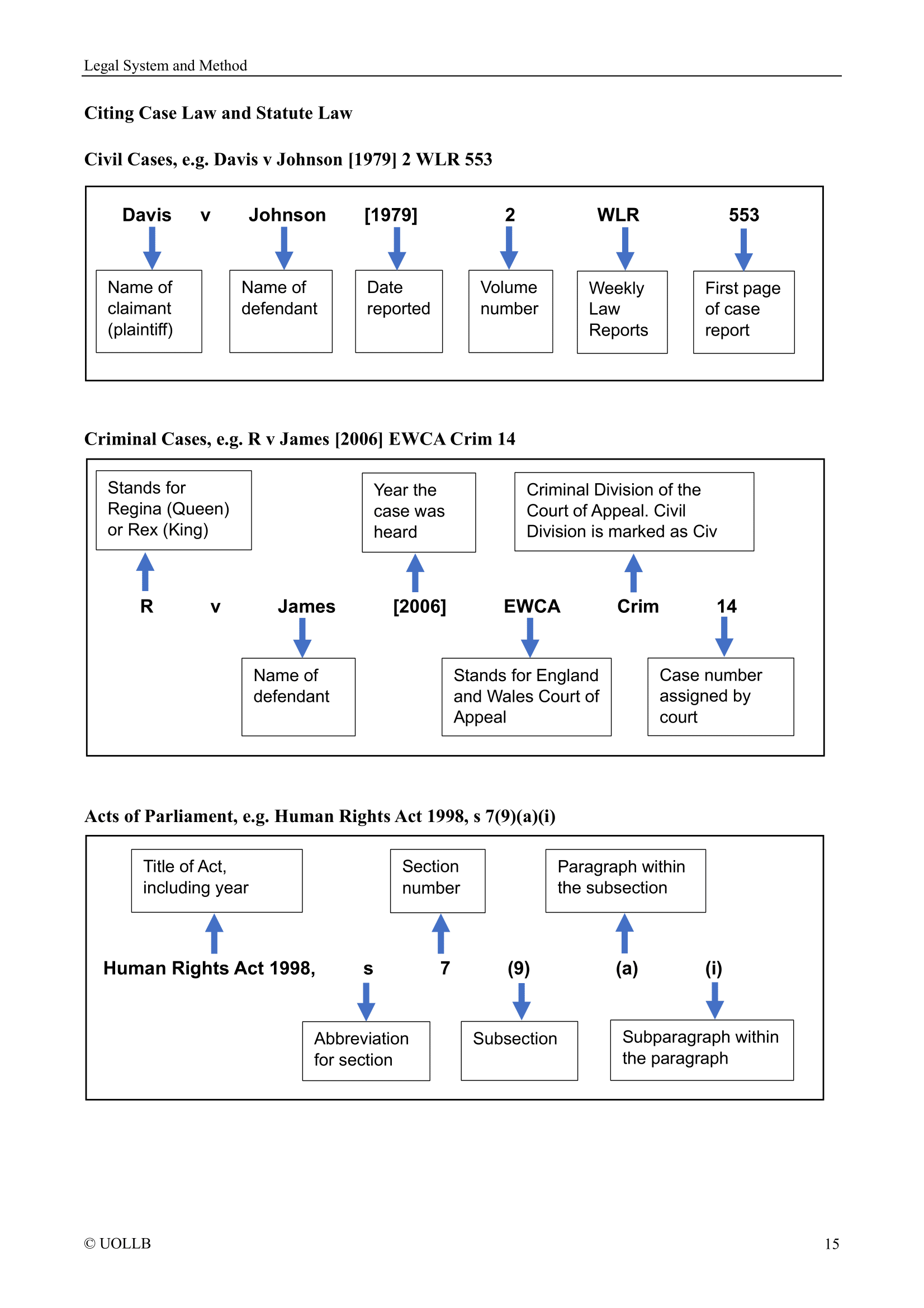
The fortuity principle has been developed through a number of leading cases, particularly in English insurance law. A classic authority is British and Foreign Marine Insurance Co Ltd v Gaunt (1921), where the House of Lords emphasised that insurance covers losses caused by fortuitous accidents and not losses that are inevitable in the ordinary course of events, even if the precise timing is uncertain. This idea was reinforced in Beresford v Royal Insurance Co Ltd (1938), where the House of Lords held that an insured cannot recover for a loss deliberately caused by himself, because such a loss lacks the essential element of chance and is contrary to the nature of insurance and public policy.
In Re Bradford Insurance Co (1920), the Chancery Division of the High Court stressed that insurance is concerned with the risk of loss rather than the certainty of loss, highlighting that the absence of fortuity undermines the very basis of the insurance bargain. More recently, the principle has been discussed in The Miss Jay Jay (1987), where the Court of Appeal accepted that a loss may still be fortuitous even if it results from a combination of factors, including inherent defects, provided that the loss itself was not inevitable and occurred by chance. Taken together, these cases show that fortuity does not require complete unpredictability, but it does require that the loss was not intended, inevitable, or known to be bound to occur at the time the insurance was effected.