If Prince Andrew Had Been King, Would He Have Been Arrested?
Share
On 19 February 2026, Andrew Mountbatten-Windsor, formerly Prince Andrew, Duke of York, was arrested by Thames Valley Police at his residence on the Sandringham estate in Norfolk. He was taken into custody on suspicion of misconduct in public office linked to newly released Epstein-related documents. He was questioned for approximately 11 to 12 hours and later released under investigation while police continued to examine evidence and search his properties.
This arrest marked a historic moment. It was the first time in modern British history that a senior member of the royal family and sibling of the reigning monarch had been arrested. The investigation focuses on allegations that, during his time as a UK trade envoy, he may have shared confidential government information with Jeffrey Epstein. Andrew has denied wrongdoing, and no criminal charges have yet been filed. This dramatic development raises an important constitutional question. If Prince Andrew had been king instead of a prince, would he have been arrested at all? The short answer is no.
Prince Andrew was arrested because, in legal terms, he is an ordinary citizen. Although he was born into the royal family, he is not the sovereign. British law applies to him in the same way it applies to any other person. Police can arrest him if they reasonably suspect he has committed a criminal offence. His royal birth does not give him immunity from criminal law. This principle reflects the rule of law. In modern Britain, even senior royals who are not monarchs are subject to police powers, criminal investigation, and prosecution. His arrest itself demonstrates that royal status does not prevent criminal investigation. However, the legal situation would be completely different if he had been king.
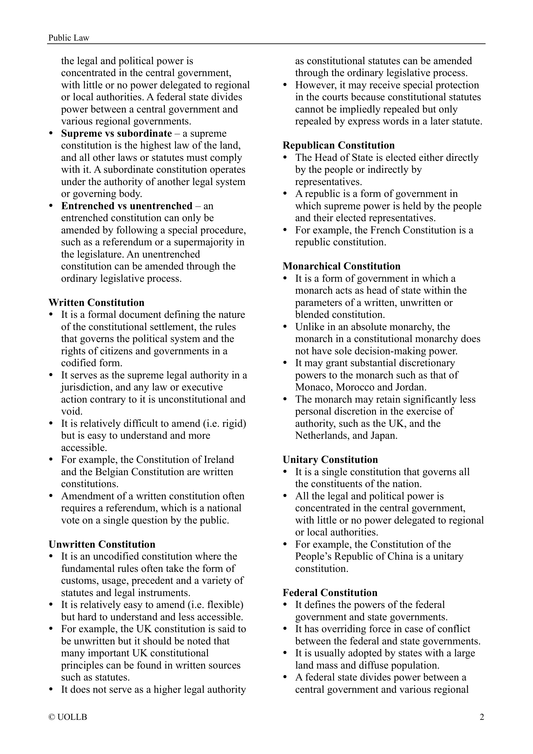
Under the British constitution, the monarch occupies a unique legal position. The sovereign is the head of state and is regarded as the legal source of executive authority. All criminal prosecutions in England and Wales are brought in the name of the Crown, meaning the king or queen. Because of this structure, the monarch cannot be arrested or prosecuted in their own courts. This principle is known as sovereign immunity. It is rooted in centuries of constitutional law and reflects the idea that the monarch is not subject to the coercive powers of the legal system they embody. If Prince Andrew had been king at the time of the investigation, police would not have had the legal authority to arrest him. Arrest requires legal power exercised in the name of the Crown. It would be constitutionally impossible for the Crown to arrest itself.
The reason Prince Andrew could be arrested is simple. He is not the sovereign. He is the younger brother of King Charles III, and therefore does not enjoy sovereign immunity. The police investigation began after the release of millions of Epstein-related documents by the US Department of Justice. These documents reportedly contained communications and evidence suggesting he may have shared confidential information with Epstein during his role as trade envoy. The Crown Prosecution Service will ultimately decide whether there is sufficient evidence to bring criminal charges. The King himself publicly supported the police investigation, stating that the law must take its course. This response reinforces the constitutional principle that law enforcement operates independently of royal influence.
However, if a reigning monarch were suspected of criminal conduct, the situation would likely become a constitutional and political crisis rather than a criminal case. Police could investigate, gather evidence, and advise authorities. However, they could not arrest or prosecute the monarch while they remained on the throne. Instead, the likely outcomes would include political pressure for abdication. Abdication means voluntarily stepping down as monarch. Once abdicated, the individual would lose sovereign immunity and become subject to ordinary law. At that point, arrest and prosecution would become legally possible. Alternatively, Parliament could intervene in extreme circumstances, although this would be unprecedented in modern times.
The arrest of Prince Andrew illustrates a crucial constitutional distinction. Members of the royal family who are not the monarch are subject to the law like any other citizen. They can be investigated, arrested, and prosecuted if evidence justifies it. The monarch, however, occupies a unique legal position that protects the office from legal coercion. This immunity exists not to protect individuals personally, but to preserve the constitutional structure of the state.