Is the ECHR the reason for the downfall of Europe?
Share
For decades, Europe congratulated itself on having learned the lessons of the twentieth century. Out of the ashes of war and authoritarianism emerged a legal order designed to make tyranny impossible. At its moral centre stood the European Court of Human Rights (ECHR), a tribunal intended to protect individuals from the excesses of the state. In its early years, the Court symbolised restraint, humility, and moral clarity. But history has a habit of turning safeguards into constraints. Today, as Europe confronts social fragmentation, democratic fatigue, and institutional paralysis, a growing number of citizens and governments are asking an uncomfortable question: has the ECHR become less a shield for liberty and more a driver of Europe’s decline? Increasingly, the evidence suggests that it has.
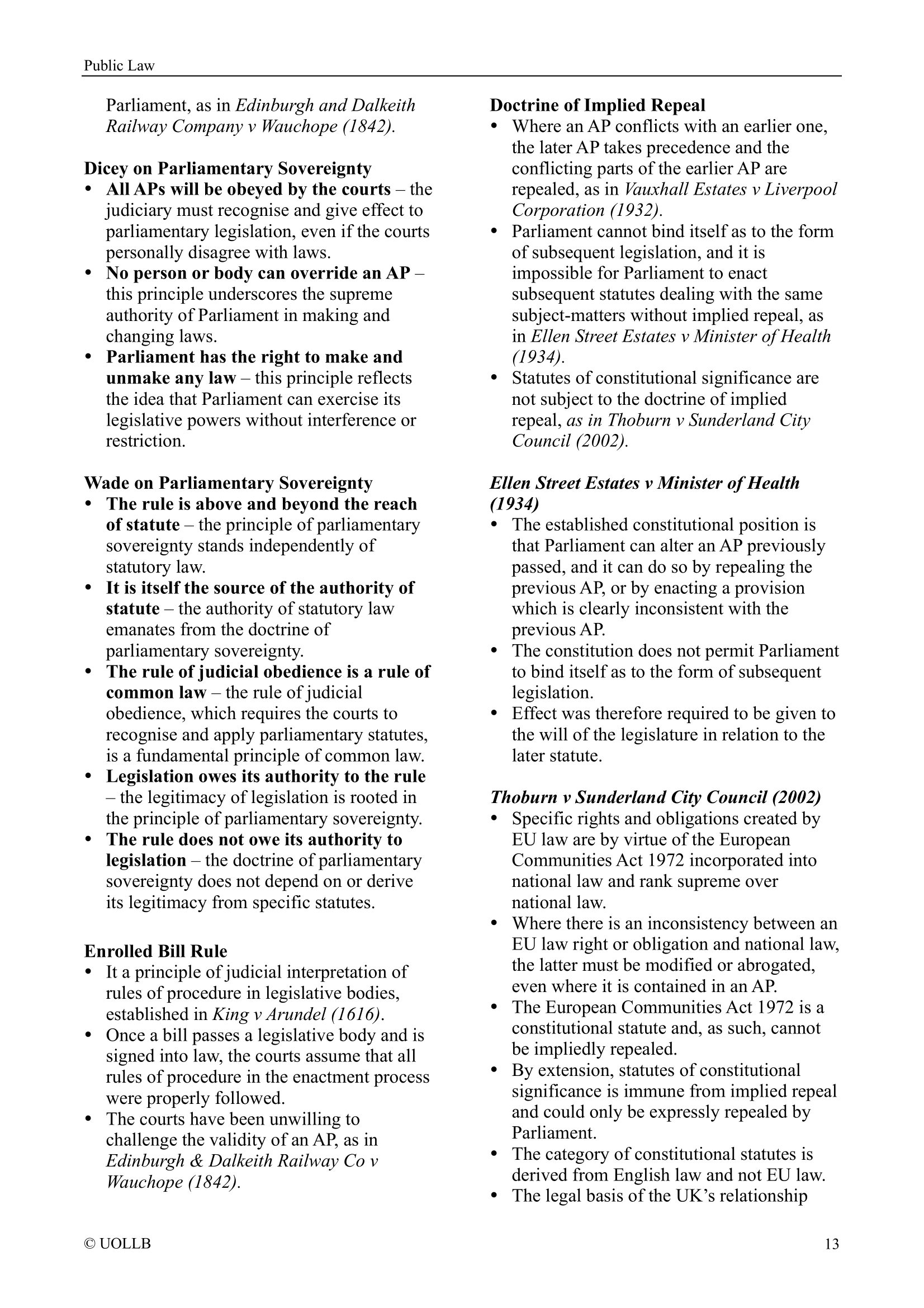
The problem is not the idea of human rights themselves. It is the transformation of rights from shared moral principles into rigid legal absolutes enforced by a court that is structurally detached from democratic accountability. The ECHR was conceived as an emergency brake against clear abuses of power, torture, political imprisonment, and arbitrary state violence. Over time, however, it has evolved into a permanent supervisory authority intervening in the most politically sensitive areas of national life. Immigration policy, criminal justice, counterterrorism measures, and family law, which were once core responsibilities of sovereign states, are now routinely reshaped by judicial interpretation emanating from Strasbourg.
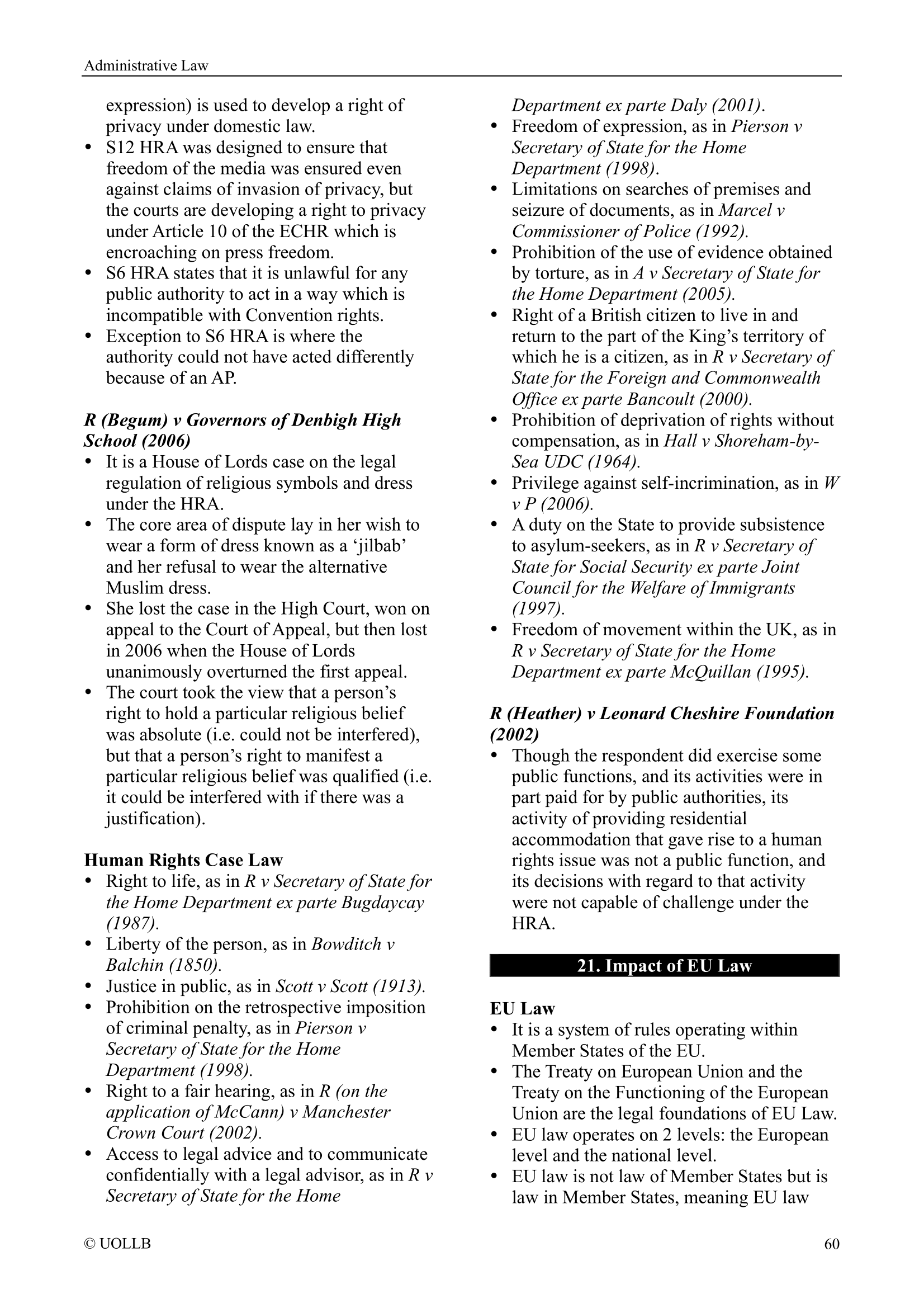
This shift has produced a quiet but profound erosion of democratic consent. Across Europe, voters elect governments promising stricter border controls, faster deportations of criminal offenders, or tougher sentencing regimes. Those mandates often collapse on contact with the Court. Deportations are frequently blocked under expansive interpretations of the right to family life in Article 8 of the Convention. In Boultif v Switzerland (2001) and later Üner v the Netherlands (2006), the Court developed a balancing test that weighs criminality against social and familial ties. In theory, this framework allows proportionality; in practice, it has repeatedly prevented the removal of foreign nationals convicted of serious crimes, even where domestic courts judged deportation necessary for public safety. What was meant to be an exception has become a structural limitation on state authority.
The Court has gone further still by removing discretion altogether in certain categories of cases. In Chahal v the United Kingdom (1996), it ruled that deportation is prohibited wherever there is a real risk of ill-treatment abroad, regardless of the danger posed by the individual to the host state. This absolutist approach was reaffirmed in Othman (Abu Qatada) v the United Kingdom (2012), where deportation was blocked not because torture was inevitable, but because evidence obtained through torture might be used in future proceedings. These rulings may be morally coherent within the Court’s own logic, but they have the practical effect of forcing governments to retain individuals they deem dangerous, based on speculative risks assessed by judges who bear no responsibility for the consequences.
At the heart of this tension lies the ECHR’s evolving interpretation of rights themselves. What were once safeguards against arbitrary detention or inhuman punishment have expanded into broad, open-ended claims that leave little room for balancing competing interests. The Court increasingly treats rights as trumps rather than principles to be weighed against public safety, social cohesion, or democratic choice. This dynamic was starkly exposed in Hirst v the United Kingdom (No. 2) (2005), where the Court ruled that the UK’s blanket ban on prisoner voting violated the Convention. Parliament subsequently reaffirmed the ban multiple times, yet remained bound by a judgment that cut directly across a deeply contested moral and political question. The controversy was not about prisoners’ rights alone, but about who decides questions of citizenship and punishment: elected legislators or international judges.
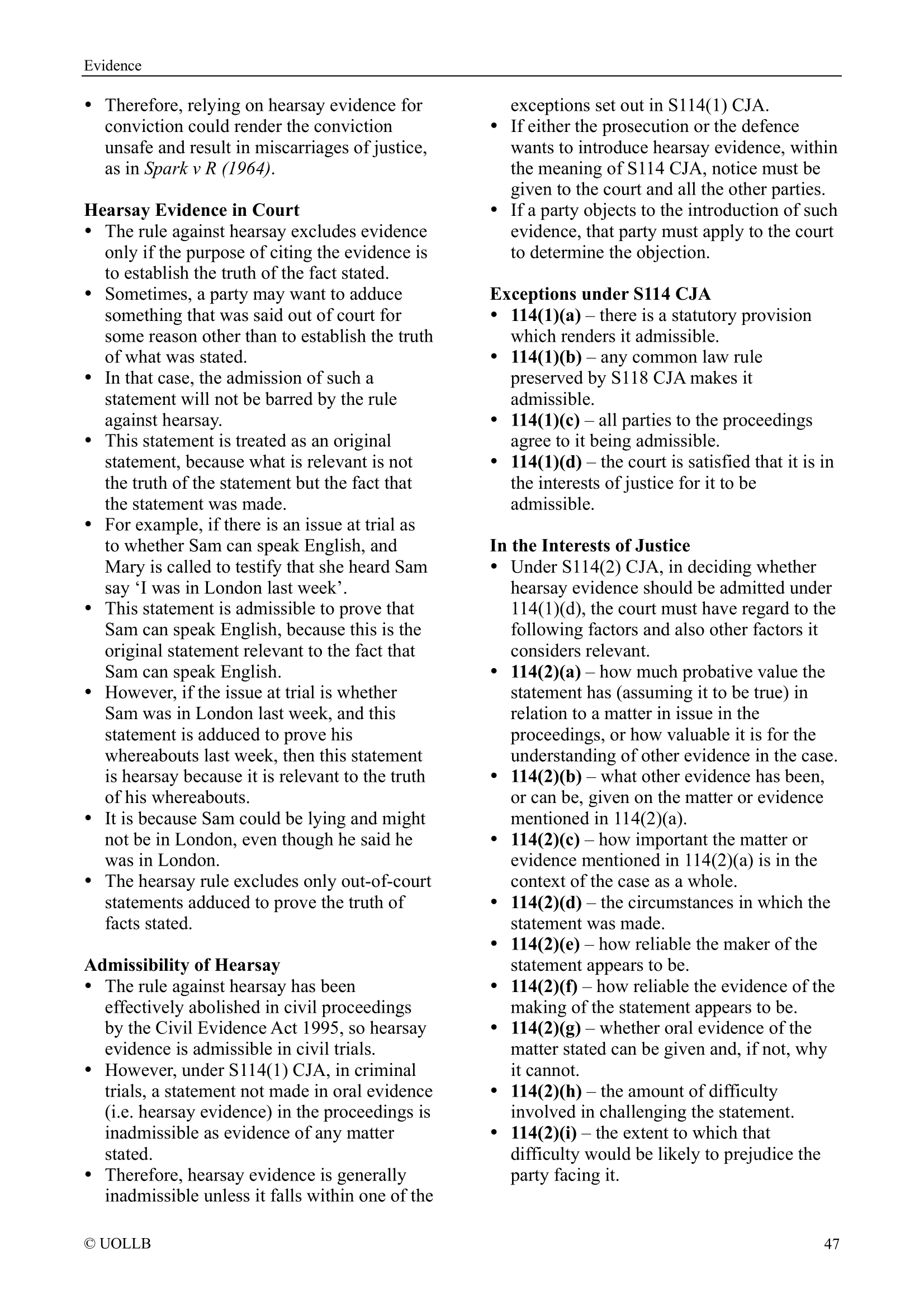
This matters because Europe is under unprecedented strain. Aging populations are placing enormous pressure on welfare systems. Migration flows, whether legal or illegal, are testing the limits of integration capacity. Public trust in institutions is fragile. In this context, governance requires flexibility, speed, and legitimacy. Yet the ECHR’s jurisprudence often produces the opposite. The doctrine established in Soering v the United Kingdom (1989), which prevented extradition due to the psychological effects of prolonged death row detention, has since been extended far beyond its original context. States now face years of litigation over prison conditions, sentencing standards, and asylum procedures, even where no deliberate abuse is alleged. What begins as moral caution frequently ends as policy paralysis. Compassion, once a virtue exercised through political judgment, becomes a legal mandate enforced irrespective of scale, capacity, or cumulative effect.
Defenders of the Court argue that such constraints are the necessary price of civilisation, a barrier against majoritarian excess and historical amnesia. But this argument elides a critical distinction: there is a difference between protecting minorities from persecution and preventing societies from governing themselves. The ECHR increasingly crosses that line, relying on the doctrine of the Convention as a “living instrument” to justify interpretations never envisaged by its postwar drafters. Its judges are appointed through opaque international processes. Their rulings cannot be overturned by voters. Their jurisprudence evolves incrementally, without meaningful public debate or democratic consent. This democratic deficit would be troubling in any institution; in one that shapes immigration control, criminal justice, and national security, it is destabilising.
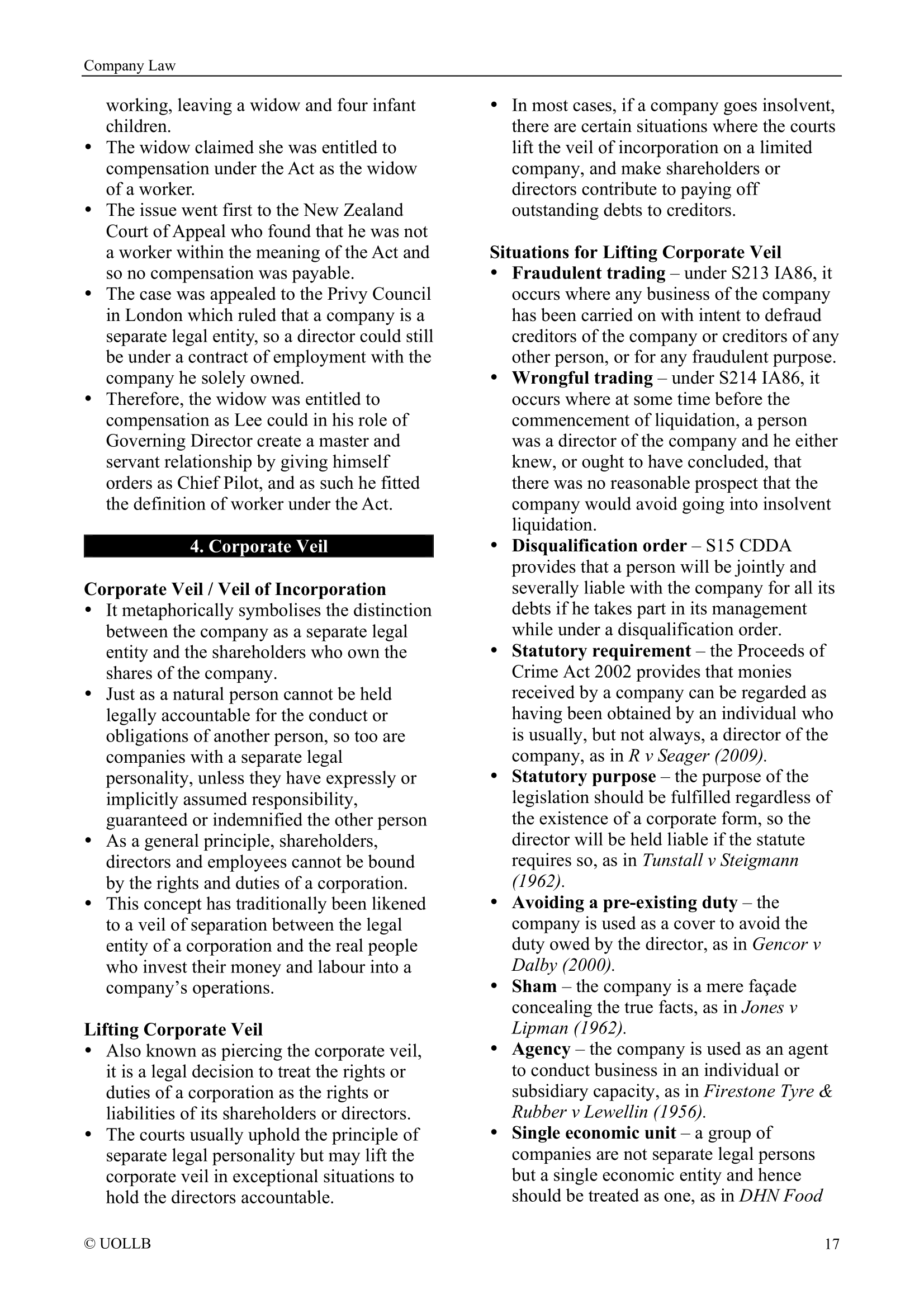
The political consequences are already visible. When mainstream governments are repeatedly prevented from implementing lawful, popular policies, voters do not simply lose faith in particular parties, but they lose faith in democracy itself. The resulting vacuum is filled by movements that promise rupture rather than reform: parties willing to ignore judgments, withdraw from treaties, or dismantle constitutional constraints altogether. Euroscepticism, constitutional defiance, and illiberal politics do not arise despite institutions like the ECHR, but partly because of them. By constitutionalising contested political questions through expansive case law, the Court closes off reform within the system and pushes political energy outside it, where moderation has no leverage and compromise no appeal.
Beyond electoral politics lies a deeper cultural erosion that is harder to measure but no less consequential. Law draws its authority not only from legality, but from legitimacy under an unspoken agreement between institutions and the societies they govern. As ECHR rulings increasingly diverge from public intuition and social consensus, that agreement weakens. Citizens begin to experience human rights not as protections they collectively share, but as abstractions imposed from above. The language of dignity and compassion, once capable of unifying diverse societies, becomes associated with distance, moral lecturing, and institutional indifference to everyday consequences. When rights discourse loses emotional credibility, it invites backlash not merely against individual judgments, but against the very concept of universal rights.
None of this requires abandoning Europe’s commitment to human rights. It requires restoring proportionality, restraint, and democratic grounding to their enforcement. Rights cannot endure as permanent absolutes administered without regard for context, capacity, or consequence. A court that never defers, never concedes uncertainty, and never acknowledges legitimate disagreement ceases to function as a guardian and instead becomes an unelected governing authority. Europe’s present crisis is not that it values human dignity too highly, but that it has confused moral aspiration with legal infallibility. If Europe is to arrest its decline, it must reassert a fundamental principle: human rights exist to serve democratic societies, not to supersede them. Until that recalibration occurs, the institutions meant to protect Europe’s future will paradoxically continue to undermine it.