Monism, Dualism, and Pluralism in Law
Share
Monism, dualism, and pluralism are theories that explain how different legal systems relate to one another, especially the relationship between international law and domestic (national) law. They are particularly important in understanding how international rules become effective within a country like the United Kingdom.
Monism
Monism views law as a single unified system, in which international law and domestic law form part of one coherent legal order. Under this theory, international law does not need to be transformed into domestic law to take effect; it is automatically part of the national legal system once it is validly created at the international level.
Monists argue that both systems ultimately regulate the same subjects, individuals and states, and therefore should not be treated separately. Some versions of monism even place international law at the top of the hierarchy, meaning that if there is a conflict, international law prevails over domestic law. This idea is often associated with theorists such as Hans Kelsen, who argued for a unified legal order grounded in a fundamental norm (Grundnorm).
In practice, monism means that individuals may be able to rely directly on international law in domestic courts without further legislation. This approach is more commonly found in some civil law countries.
Dualism
Dualism takes the opposite approach, treating international law and domestic law as two separate and independent legal systems. According to this theory, international law governs relations between states, while domestic law governs individuals within a state. Because they operate in different spheres, one cannot automatically become part of the other.
Under dualism, international law must be incorporated into domestic law through legislation before it can have legal effect internally. Until that happens, individuals cannot rely on international law in national courts. This approach emphasises state sovereignty and the authority of national legal systems.
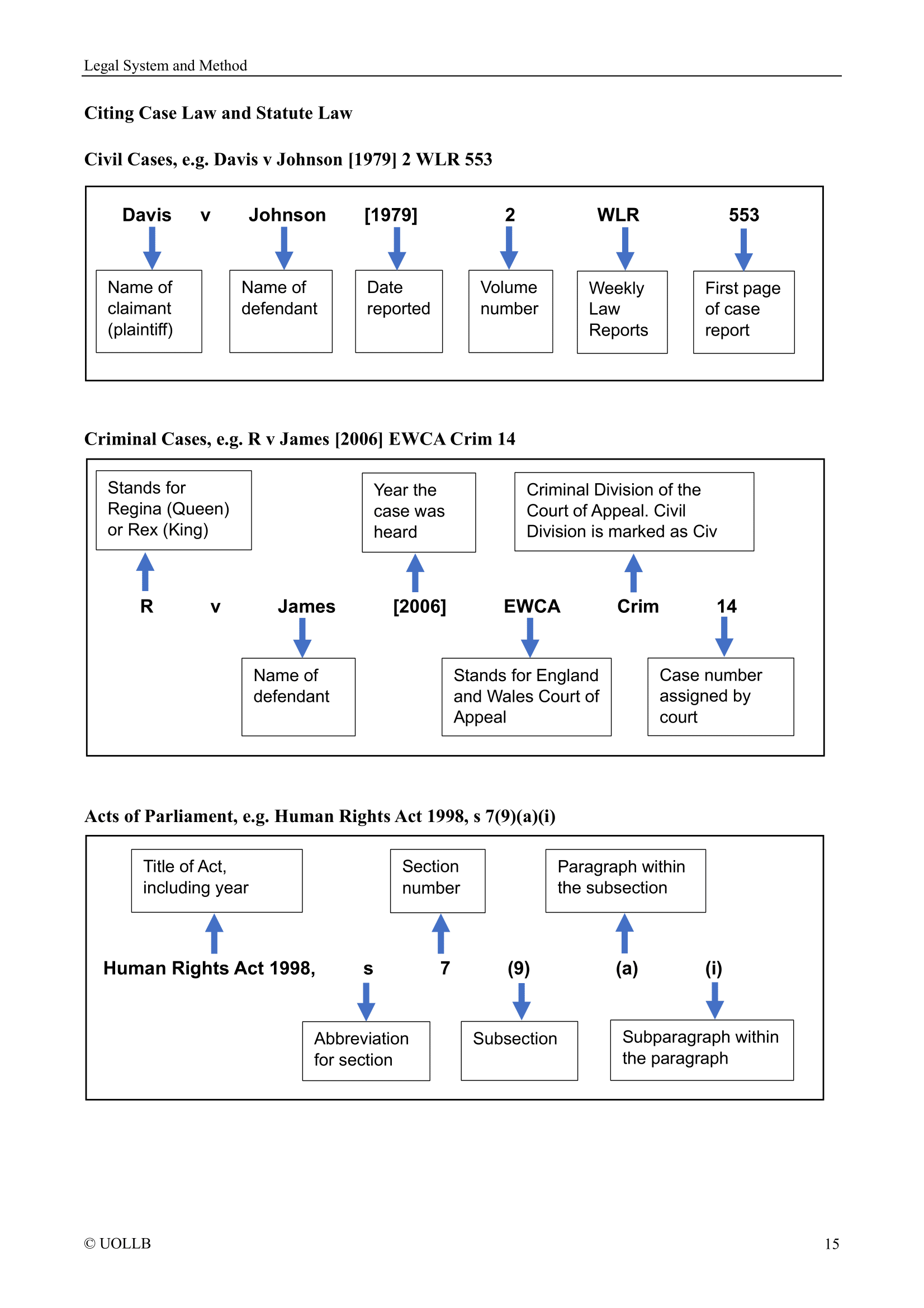
The dualist approach is traditionally associated with theorists such as Dionisio Anzilotti. The United Kingdom is a classic example of a dualist system: treaties signed by the government do not automatically become part of domestic law unless Parliament enacts legislation. For example, international obligations under the European Convention on Human Rights only became enforceable in UK courts through the Human Rights Act 1998.
Pluralism
Pluralism is a more modern and flexible theory, recognising that the relationship between legal systems is more complex than strict monism or dualism suggests. It accepts that multiple legal orders, international, national, and even supranational, can coexist and interact, sometimes overlapping and sometimes conflicting, without a strict hierarchy.
Pluralists argue that there is no single “ultimate” legal authority. Instead, different legal systems may claim authority over the same issue, and conflicts are resolved through practical, political, and judicial dialogue, rather than rigid rules. This theory reflects the reality of modern governance, where institutions like international courts, domestic courts, and regional bodies all influence the law.
In the context of the United Kingdom, pluralism can be seen in how courts sometimes interpret domestic law consistently with international obligations, even though the system is formally dualist. It also reflects the past influence of EU law, where domestic and supranational legal orders interacted in complex ways.