Pros and Cons of Legalese
Share
Benefits of Using Legalese
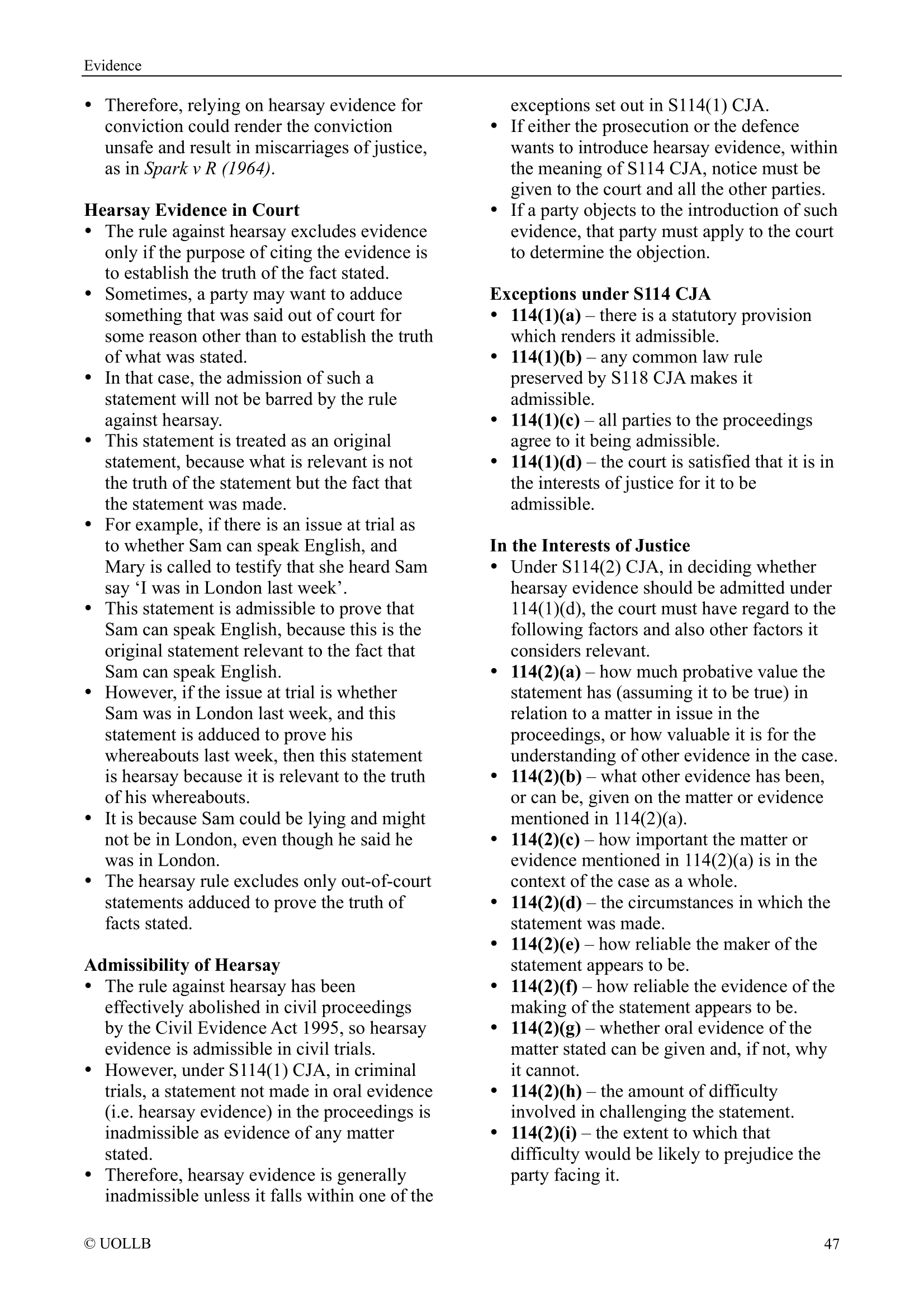
One key advantage of legalese is precision and certainty. Many legal terms and phrases have developed specific, well-established meanings through case law. Using these terms can reduce ambiguity and ensure that courts interpret documents consistently. For example, phrases like “without prejudice” or “subject to” carry precise legal effects that might be harder to replicate in ordinary language.
Another benefit is consistency and precedent. Lawyers often rely on standard wording that has been tested in court over time. This reduces the risk of unintended interpretations and provides reassurance that the wording is legally effective. It also saves time, as practitioners can reuse established clauses rather than drafting entirely new ones.
Legalese can also offer comprehensiveness. Traditional drafting often uses detailed and formal language to cover all possible scenarios, which can help avoid loopholes. For instance, doublets like “null and void” historically aimed to ensure that no aspect of invalidity was overlooked.
Drawback of Using Legalese
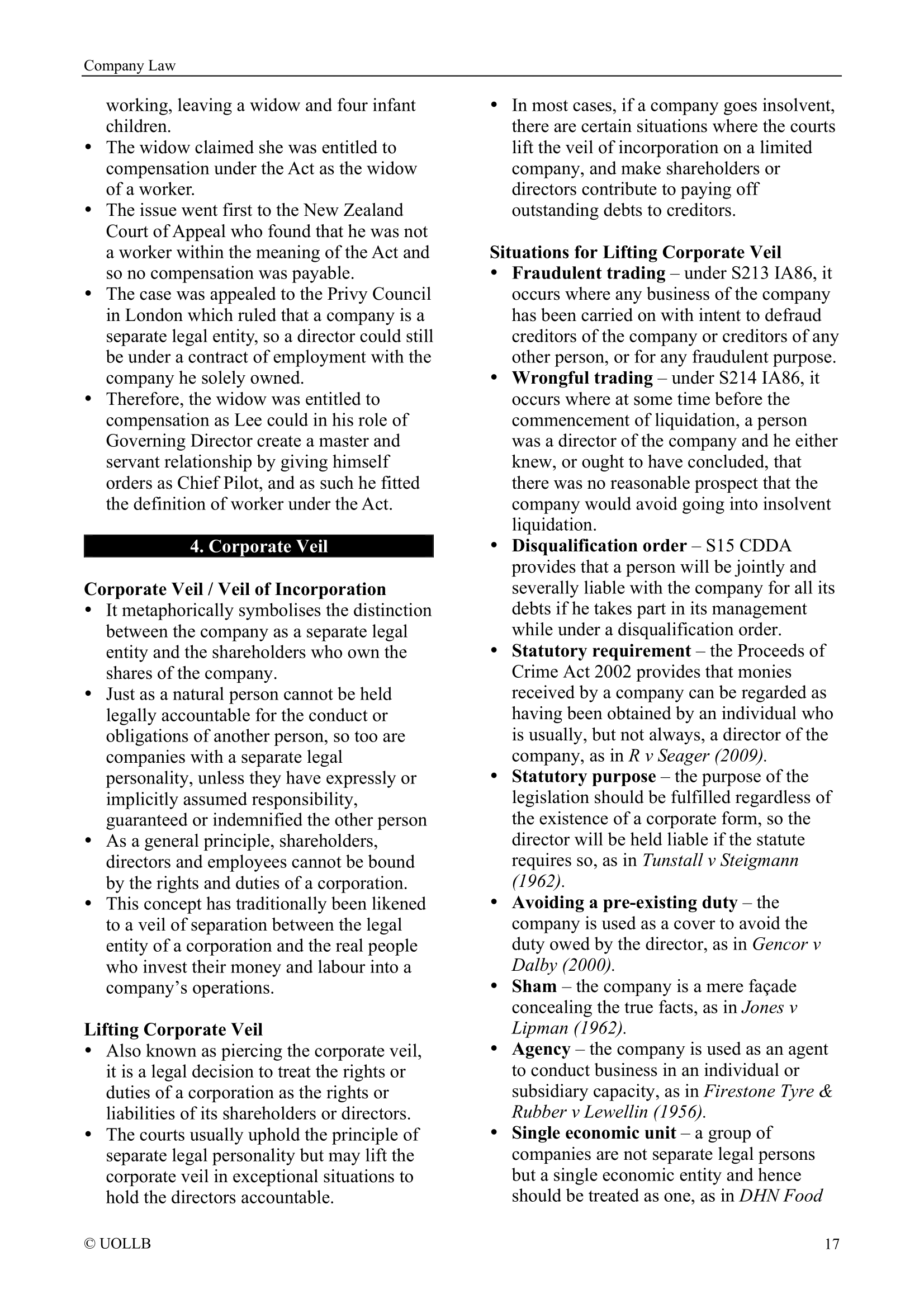
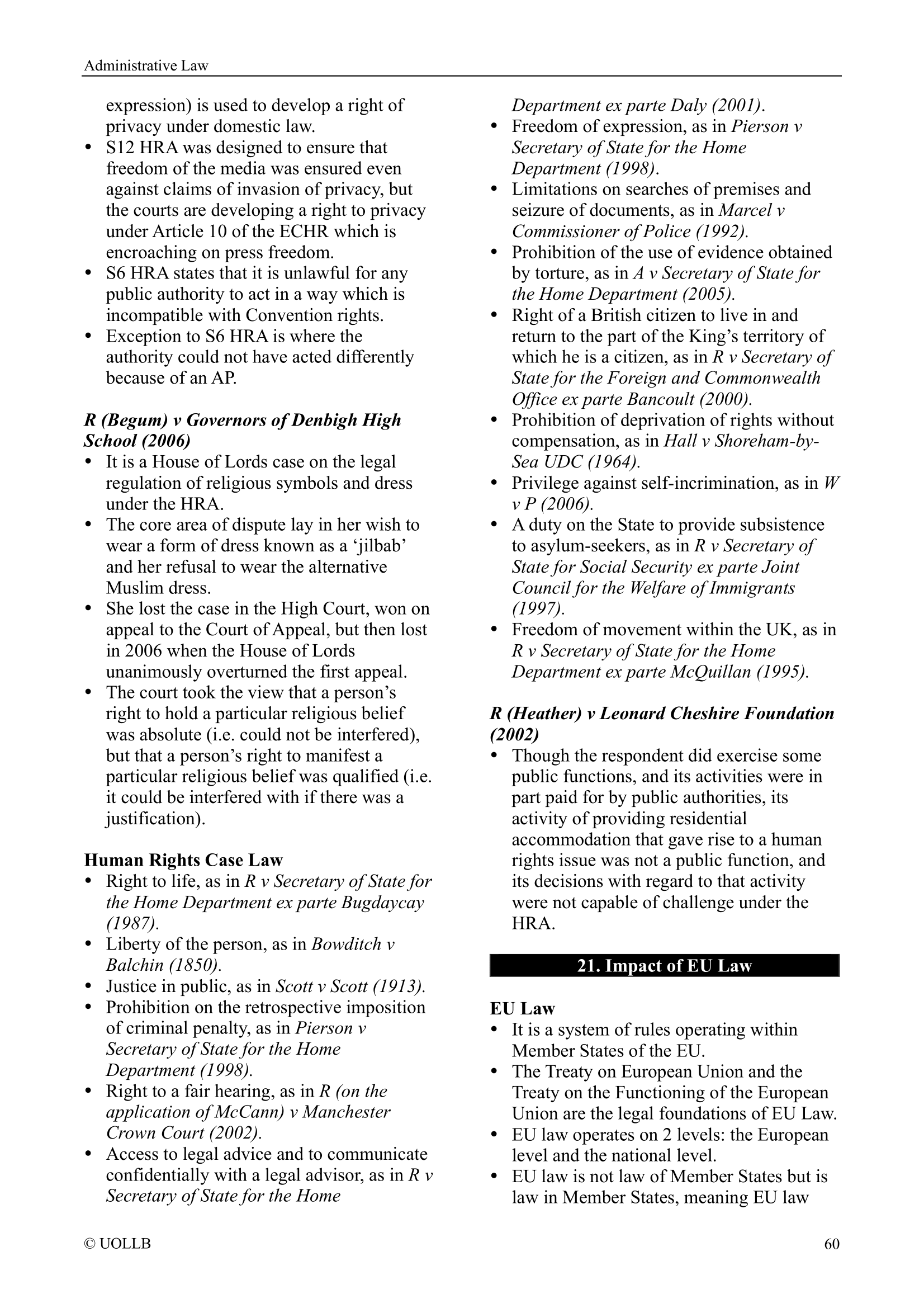
However, legalese has significant drawbacks. The most obvious is lack of clarity. Its complex vocabulary, long sentences, and archaic terms make it difficult for non-lawyers to understand. This can create confusion for clients and increase the risk that parties do not fully understand their rights and obligations.
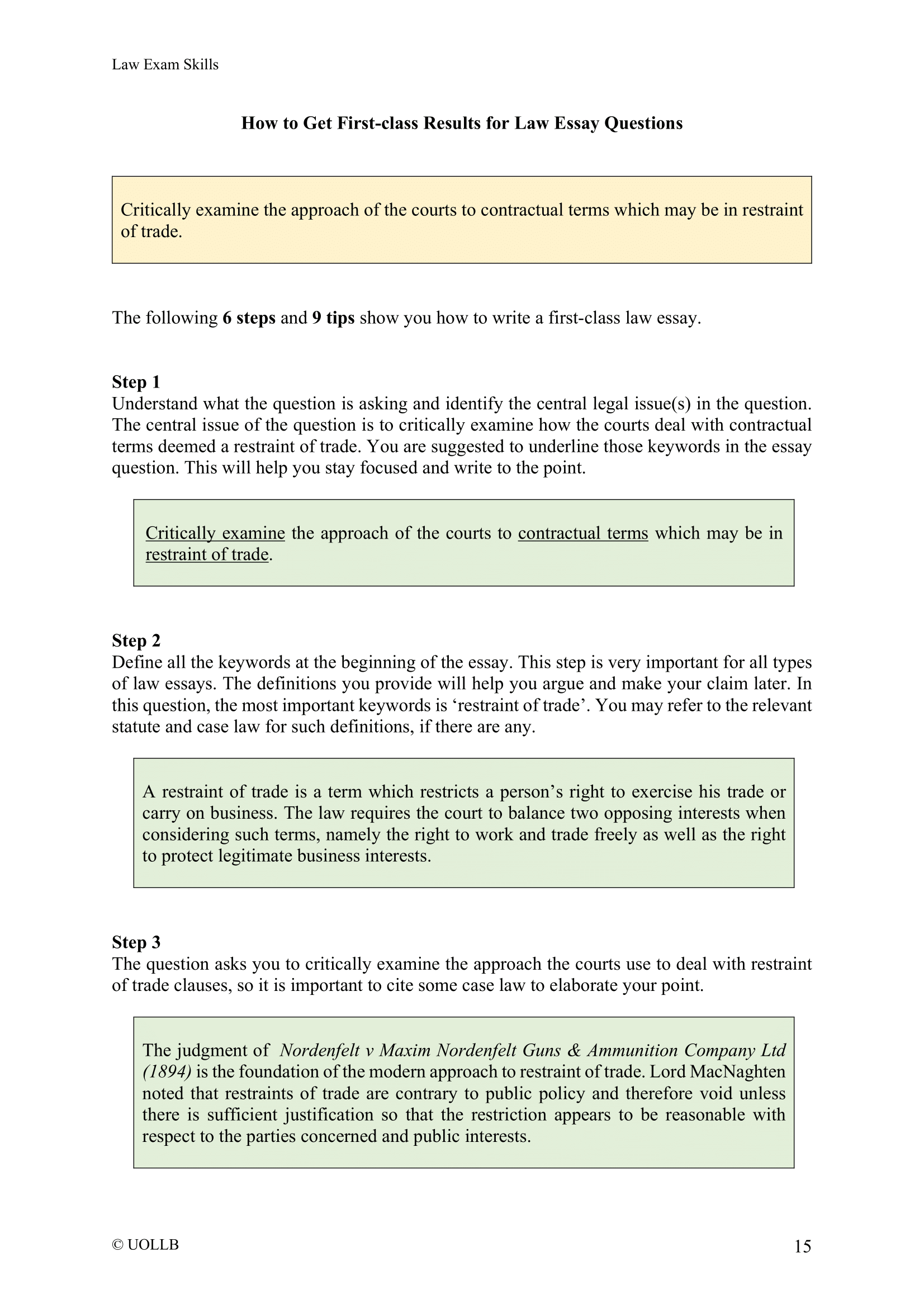
Another major disadvantage is unnecessary verbosity. Legalese often uses far more words than needed, which can obscure meaning rather than clarify it. Phrases like “in the event that” instead of “if” add length without adding substance, making documents harder to read.
Legalese can also lead to misinterpretation. Ironically, the attempt to be overly precise can sometimes backfire, especially where archaic or technical terms are misunderstood. Modern courts focus on the natural meaning of words, and overly complex drafting may create ambiguity rather than eliminate it.
Finally, there is the issue of access to justice. When legal documents are written in inaccessible language, individuals without legal training may struggle to understand them. This creates a barrier between legal professionals and the public, reinforcing inequality and reliance on lawyers for basic comprehension.