Rule of Lenity
Share
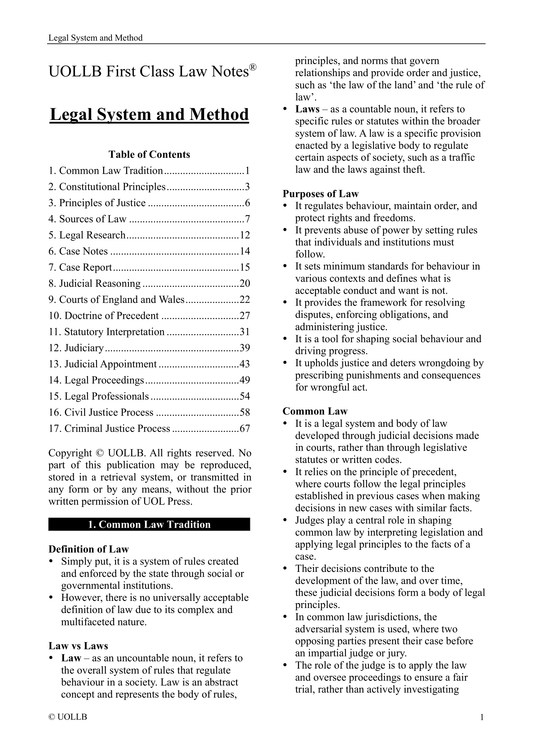
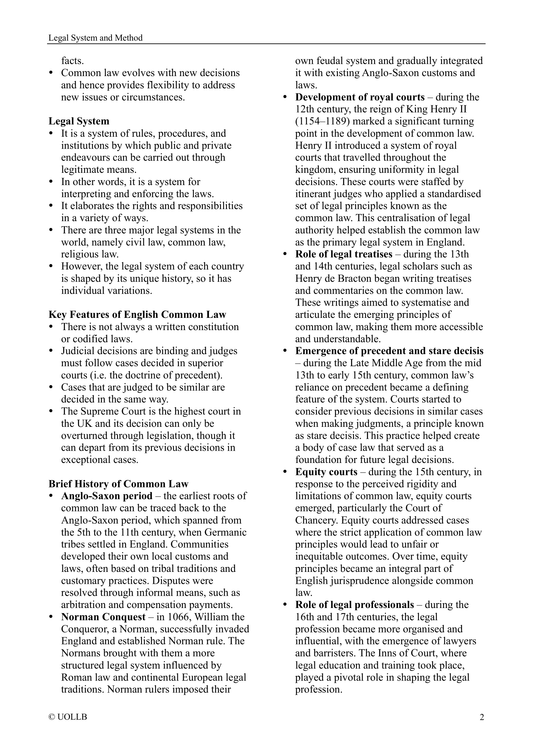
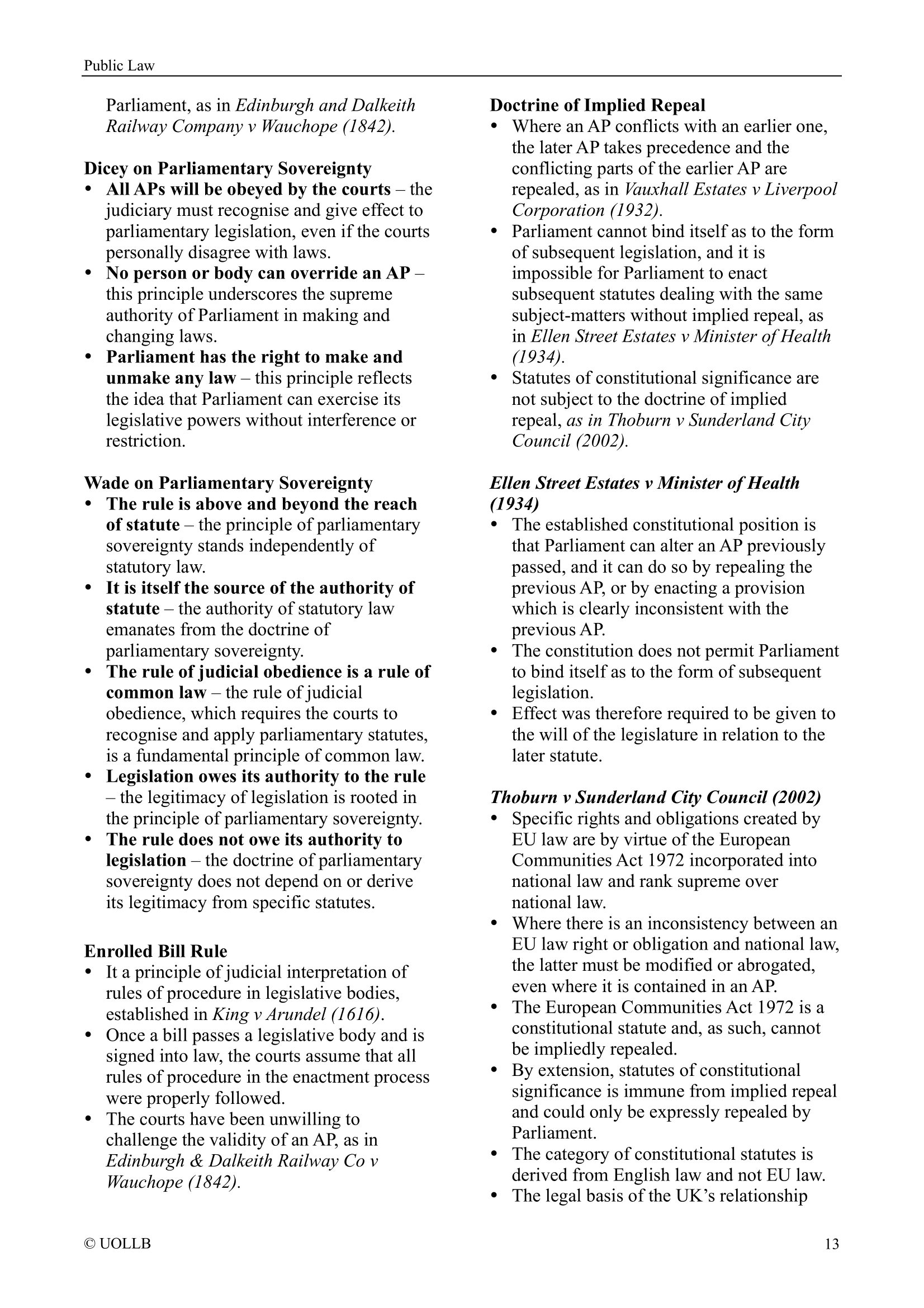
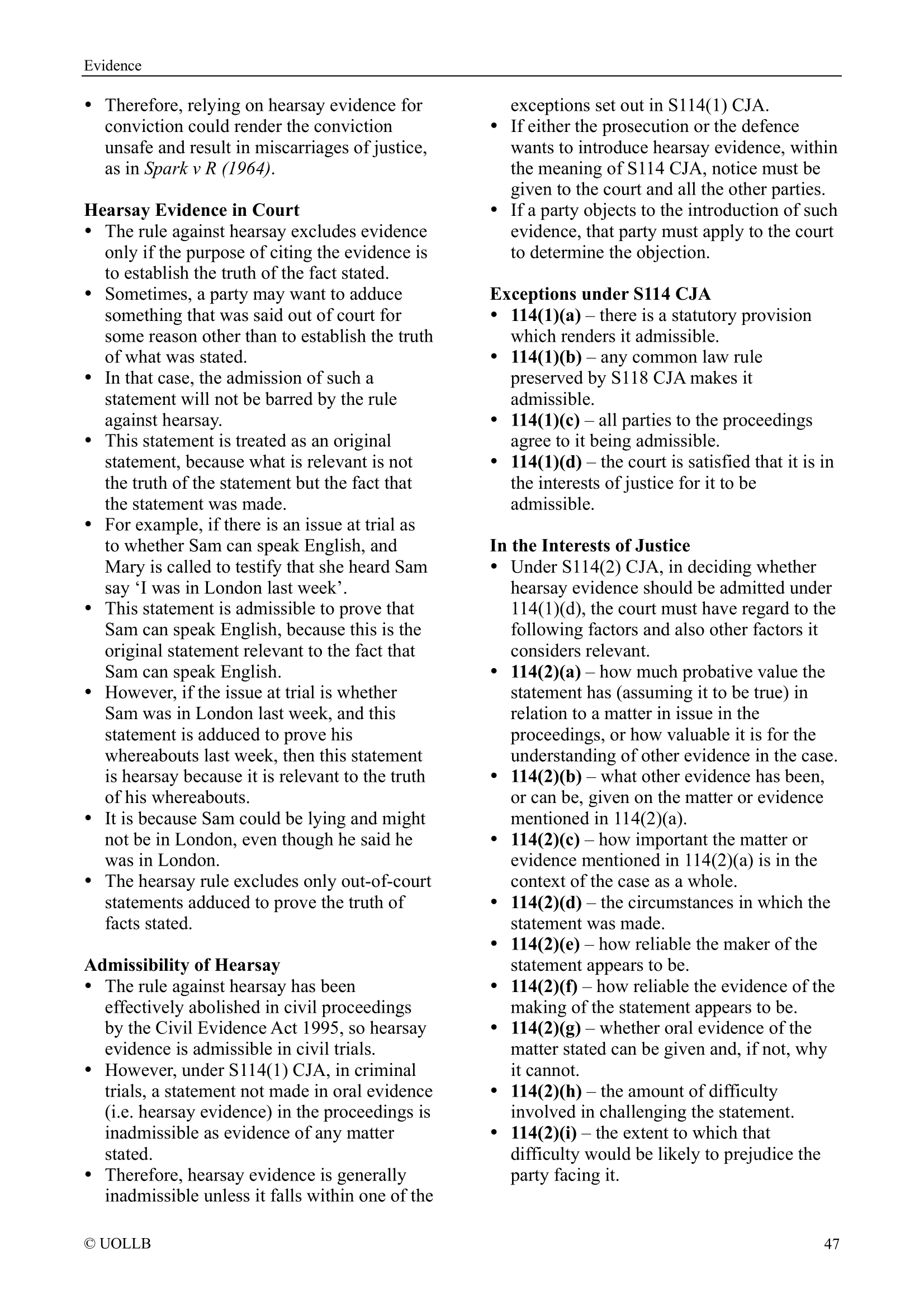
The rule of lenity is a principle of judicial interpretation that requires a court to resolve any ambiguity in a criminal statute in favour of the defendant. It serves as a tie-breaker in cases of legal uncertainty. Where a law is drafted so unclearly that it can reasonably bear two interpretations, one that imposes criminal liability and one that does not, the court must adopt the more lenient interpretation. This ensures that an individual is not convicted of a crime under a law that did not provide fair warning of what was prohibited.
The primary rationale behind this rule is rooted in the constitutional concept of due process. For a legal system to be just, the laws must be clear enough for an ordinary person to understand what behaviour will result in a loss of liberty. When a statute is grievously ambiguous, the rule of lenity prevents the government from surprising citizens with an expansive interpretation of a law that the legislature did not explicitly write. It essentially puts the burden on the government to write clear laws if they intend to restrict human freedom.
Furthermore, the rule of lenity reinforces the separation of powers. In a democratic society, the power to define crimes and set punishments belongs strictly to the legislature, not the judiciary. If a court were to fill in the blanks of a vague law by expanding its scope, it would effectively be creating a new crime from the bench. By defaulting to the more narrow, lenient version of a law, judges stay within their role of interpreting the law rather than making it.
However, the rule of lenity is typically a tool of last resort. Courts do not apply it just because a statute is difficult to read. Instead, they first apply all other standard tools of interpretation, such as looking at the text, the historical context, and the legislative intent. Only if the meaning remains truly stuck in a deadlock after all that work does the rule of lenity step in to tip the scales in favour of the accused.