Snook v London and West Riding Investments Ltd [1967]

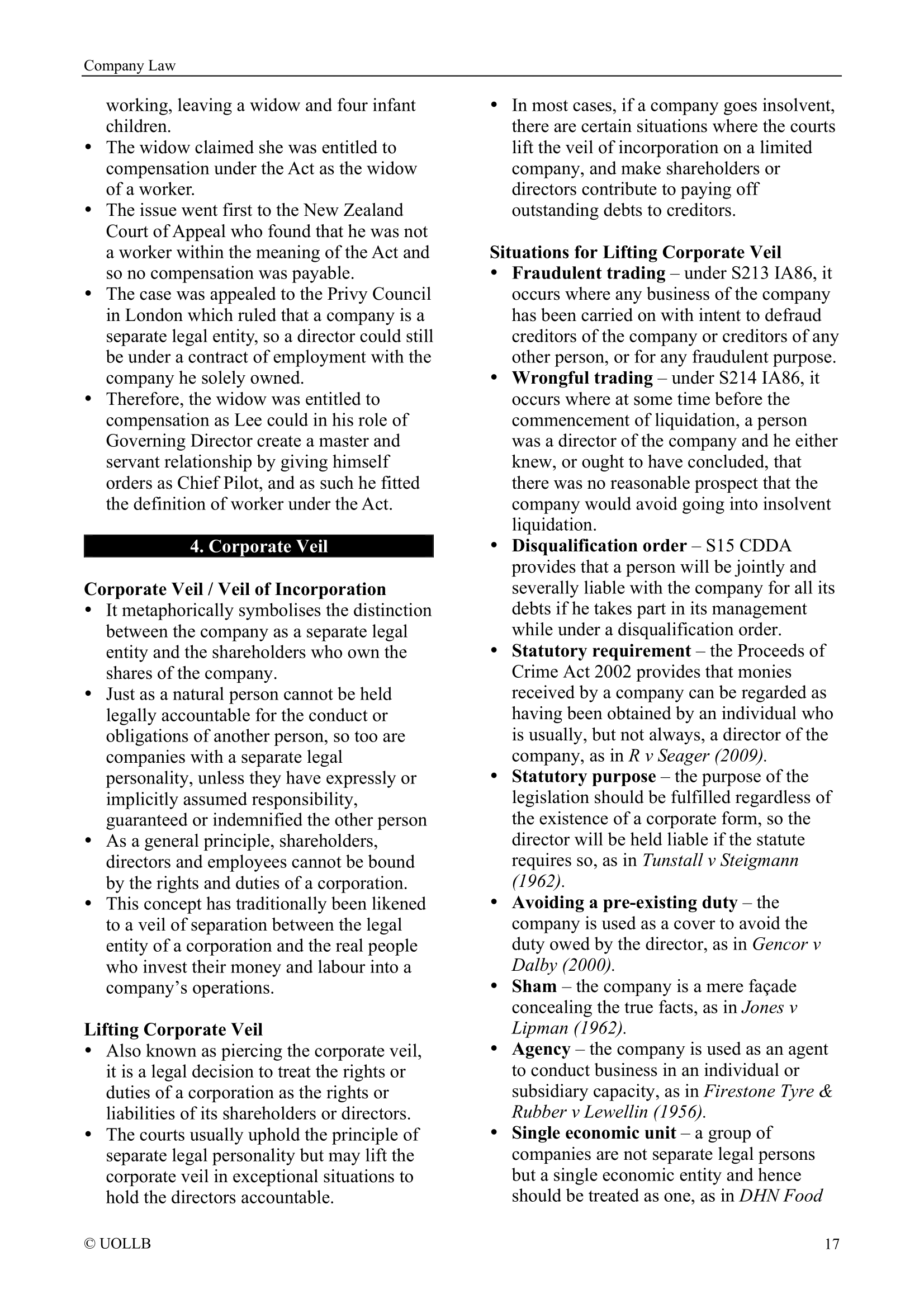
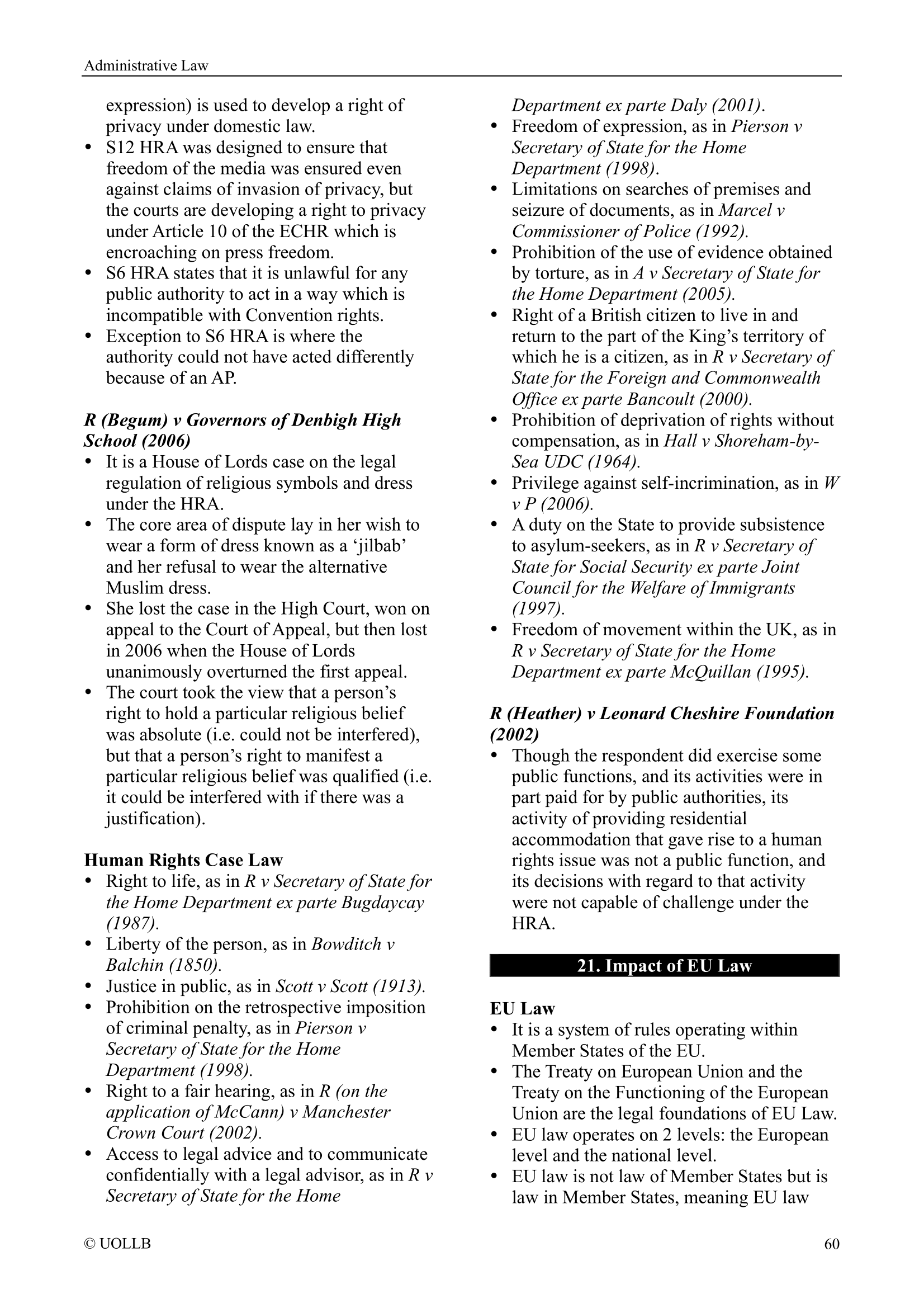
Snook v London and West Riding Investments Ltd [1967] 2 QB 786 is a landmark Court of Appeal decision that established the leading English law definition of a sham transaction. The significance of the case lies in its authoritative definition of sham, which has been widely applied in trust, company, and tax law. This ruling shows that equity and common law will not be deceived by labels if the reality shows no genuine transfer of rights or obligations.

The case arose when the plaintiff, Mr Snook, sought to raise money using his car as security. He entered into a series of hire-purchase-style arrangements with finance companies (including the defendant, London and West Riding Investments Ltd), under which he purportedly sold the car to one company, which then "hired" it back to him with an option to repurchase. In reality, Snook remained in possession of the car throughout and continued to use it as his own. The arrangement was structured to give the appearance of a genuine hire-purchase agreement, but it was alleged to be a device to disguise what was effectively a loan on the security of the car, potentially to circumvent restrictions or mislead third parties (such as in the context of hire-purchase regulations or creditor claims).

The Court of Appeal (with Lord Diplock LJ giving the leading judgment) held that the transaction was a sham. Lord Diplock famously defined a sham as: "acts done or documents executed by the parties to the 'sham' which are intended by them to give to third parties or to the court the appearance of creating between the parties legal rights and obligations different from the actual legal rights and obligations (if any) which the parties intend to create." For a transaction to be a sham, there must be a common intention among the parties (or at least the relevant ones) to create a false appearance for the purpose of deceiving others, while the true agreement between them is different. The court emphasised that sham requires clear evidence of this mutual intent to mislead; mere unilateral pretence or poor drafting is insufficient.

The decision clarified that sham transactions are invalid or disregarded where the disguise is proven, allowing courts to look to the substance of the arrangement rather than its form. Snook has become the foundational authority on sham in English law, frequently cited in trusts, tax avoidance, family law, and commercial cases involving alleged pretences. In trusts law, it means that a trust will be treated as a sham if the settlor and trustees never genuinely intended the trust to operate according to its terms, for example where trustees are mere nominees and the settlor secretly retains full control.

Back to blog
UOLLB SQE Turbocharge

UOLLB SQE Turbocharge

Get fully prepared for SQE1 without breaking the bank. Access cost-effective SQE1 Study Guides and SQE1 Mock Exam developed by UOLLB, edited by lawyers, and published by UOL Press. Free downloads and resources available.
Turbocharge SQE Performance
UOL Case Bank

UOL Case Bank

Upon joining, you become a valuable member of our UOL Community and gain access to over 2,200 essential case summaries. UOL Case Bank is constantly expanding. Speed up your revision with us now.

Subscribe Now

Join students and legal professionals from Legal 500 firms, top universities and international organisations who trust UOLLB

Council of Europe
Crown Prosecution Service
Ministry of Defence
National Health Service (NHS)
Baker Mckenzie
Linklaters
Atsumi & Sakai
Yale University
UC Berkeley
University of Chicago
Columbia University
New York University
University of Michigan
INSEAD
University of London
University College London (UCL)
London School of Economics (LSE)
King’s College London (KCL)
Royal Holloway, University of London 
Birkbeck, University of London
SOAS, University of London
University of Manchester
University of Zurich
University of York
Brandeis University
University of Exeter
University of Sheffield
Boston University
University of Washington
University of Leeds
University of Law
University of Kent
University of Hull
University of Notre Dame
Cardiff University
Queen’s University Belfast
Arizona State University
McGill University
Toronto Metropolitan University
University of Hong Kong (HKU)
Hong Kong University of Science and Technology (HKUST)
University of Buckingham
Robert Gordon University
ESSEC Business School
University of Puerto Rico
University of Portsmouth

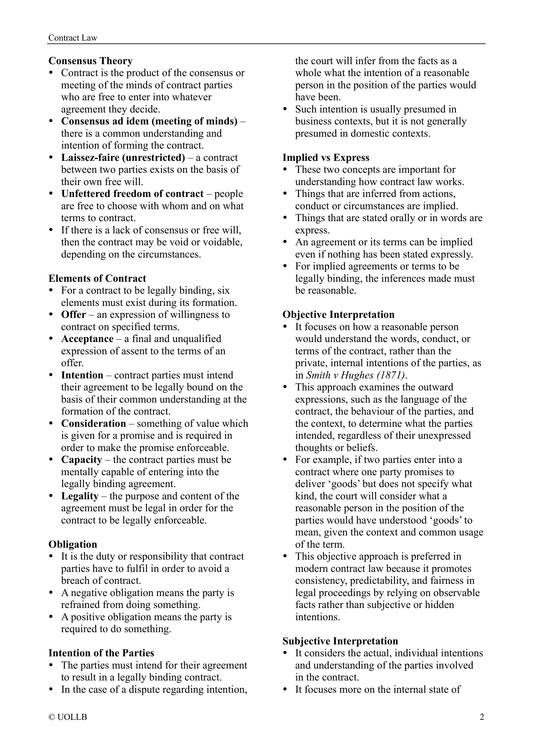
  • Criminal Practice

    Diagrams and Charts

    Our carefully designed diagrams and charts will guide you through complex legal issues.

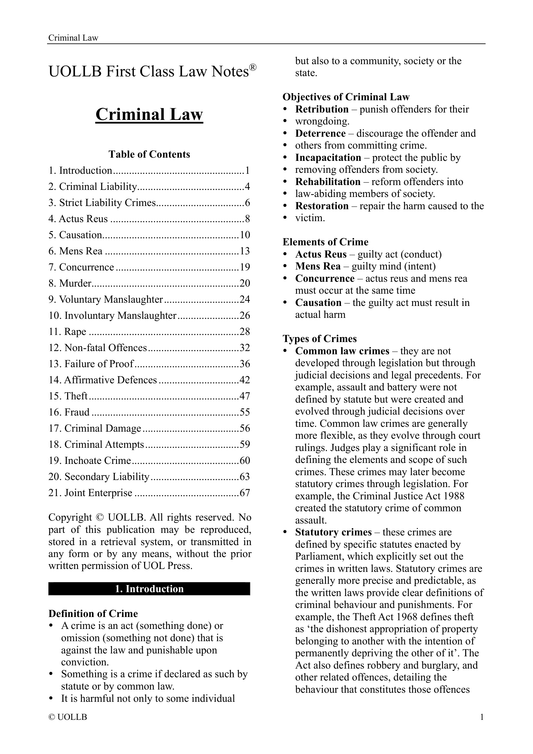
  • Criminal Law

    Clear and Succinct Definitions

    Key concepts are concisely defined to help you understand legal topics quickly.

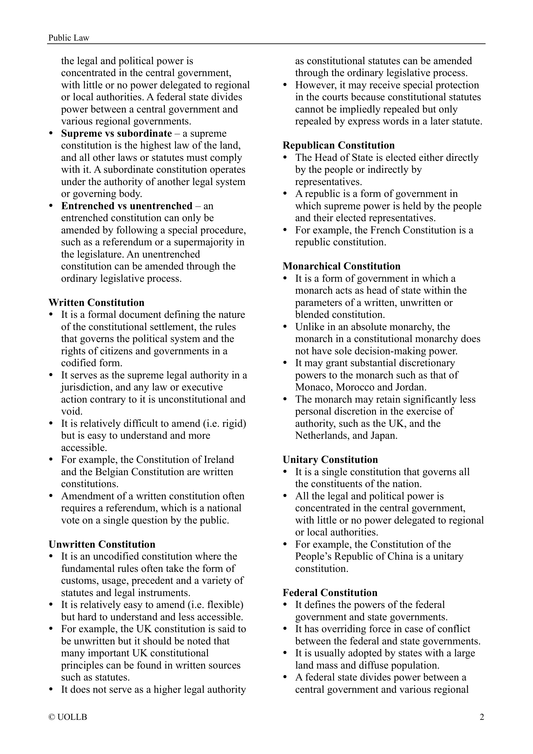
  • Property Law

    Statutory Provisions

    Statutory provisions are provided side by side with legal concepts to help you swiftly locate the relevant legislation.

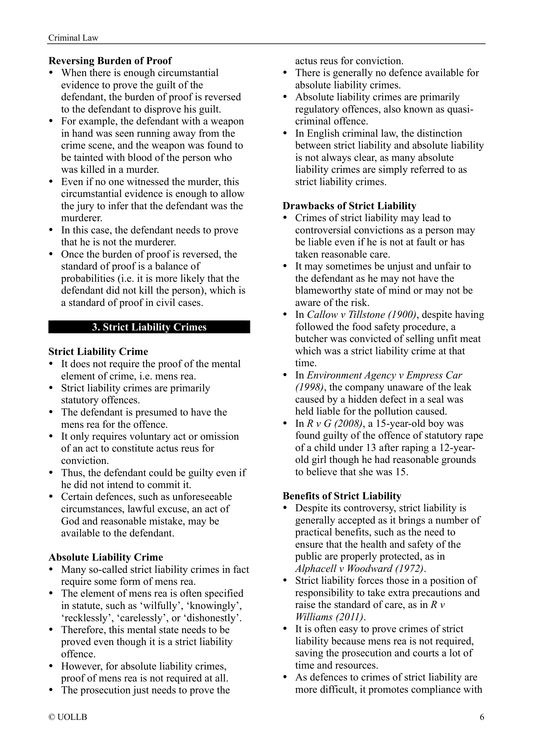
  • Public Law

    Case Summaries

    We have summarised important cases for you so that you don't need to read long and boring cases.

  • Evidence

    Rules and Exceptions

    Rules and exceptions are clearly listed so that you know when a rule applies and when it doesn't.

  • Company Law

    Terminology

    Legal terms and key concepts are explained at the beginning of each chapter to help you learn efficiently.

  • Case Law

    Case law is provided side by side with legal concepts so that you know how legal principles and precedents were established.

  • Law Exam Guide

    Law Essay Guide

    You will learn essential law exam skills and essay writing techniques that are not taught in class.

  • Law Exam Skills

    Problem Question Guide

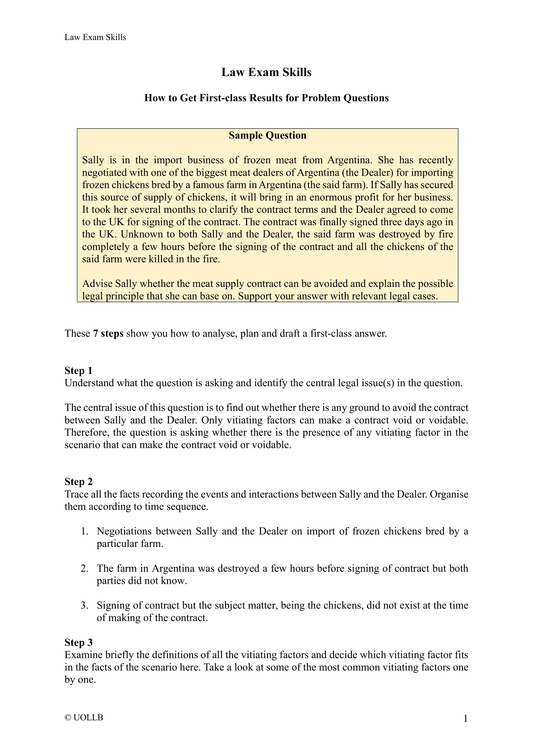
    We will show you how to answer problem questions step by step to achieve first-class results.

  • Conflict of Laws

    Structured Explanations

    Complex legal concepts are broken down into concise and digestible bullet point explanations.

  • Legal System and Method

    Legal Research

    You will learn legal research techniques with our study guide and become a proficient legal researcher.

  • Jurisprudence and Legal Theory

    Exam-focused

    All essential concepts, principles, and case law are included so that you can answer exam questions quickly.