The Difference Between Square Brackets and Parentheses in Legal Citation
Share
Legal citation often appears dense and technical, yet many of its conventions serve simple and practical purposes. One small but important example is the use of square brackets and parentheses around years in case citations. At first glance, these marks may seem interchangeable or stylistic, but in fact they communicate specific information about how a case report is organised and how it should be located. Understanding the distinction is essential for accurate referencing, proper research, and professional legal writing.
Square Brackets [ ]
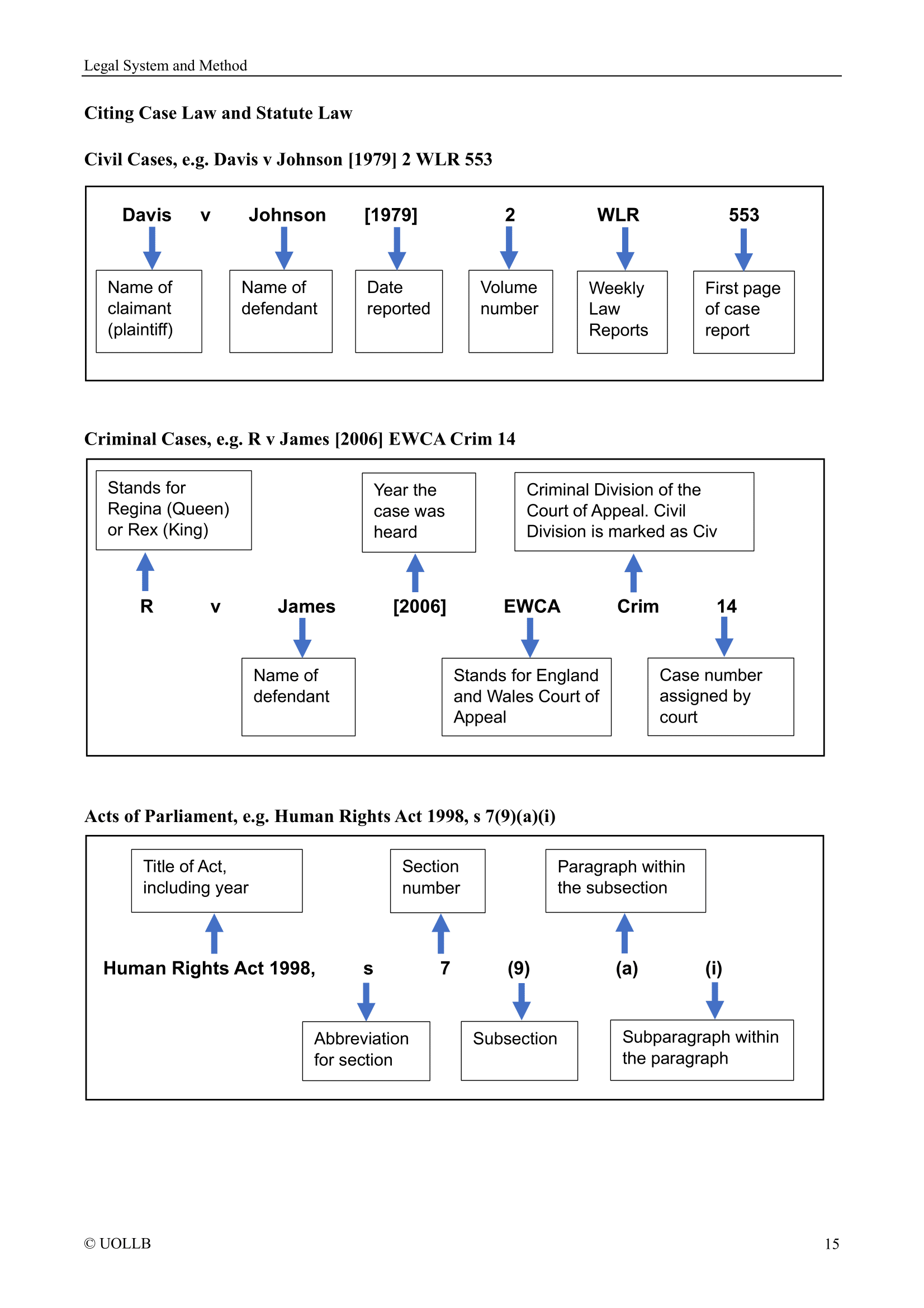
Square brackets are used when the year is essential to identifying the case report. In these citations, the report series is organised chronologically, with volumes beginning again each year. Because the numbering restarts annually, the year becomes a necessary part of the reference. Without it, the reader would not know which volume to consult. For example, in R v Brown [1994] 1 AC 212, the report appears in the Appeal Cases series, which starts at volume 1 every year. There are many “volume 1” books across different years, so the year 1994 is required to locate the correct volume. In this sense, the year functions as part of the case’s address within the law reports. The same principle applies to modern neutral citations such as [2019] UKSC 41, where case numbers also begin again each year. In both traditional and modern formats, square brackets signal that the year is indispensable.
Parentheses ( )
Parentheses are used when the year is not necessary to locate the report. In these cases, the report series is organised by consecutively numbered volumes that continue across many years without resetting. Because each volume number is unique, the case can be found even if the year is omitted. The year therefore serves only as additional contextual information, helping the reader understand when the decision was made rather than where to find it. A classic example is Donoghue v Stevenson (1932) AC 562. Here, volume 562 uniquely identifies the report, so the year 1932 is informative but not essential. Parentheses indicate that the year plays this supplementary role.
The practical difference between the two forms can be reduced to a simple test. If removing the year would make the case impossible or difficult to find, square brackets must be used. If the report could still be located using the volume number alone, parentheses are appropriate. Square brackets therefore perform a locating function, while parentheses perform an informational function. This distinction reflects the structure of the reporting system rather than any matter of style or preference.
Although the rule concerns only punctuation, it carries professional significance. Accurate citation demonstrates attention to detail and familiarity with legal conventions, both of which are expected in academic writing, court documents, and legal practice. Using the wrong brackets may confuse readers or suggest a misunderstanding of how the reports are organised. For that reason, lawyers and judges apply the distinction consistently.