Top 10 Common Law Cases
Share
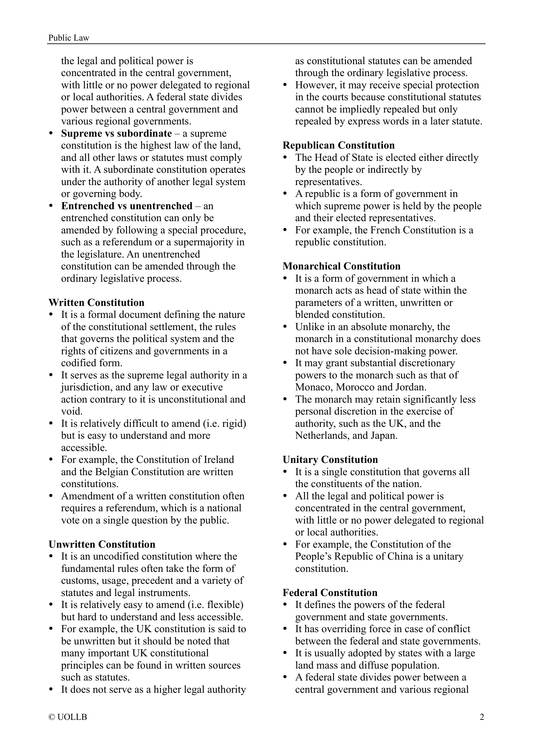
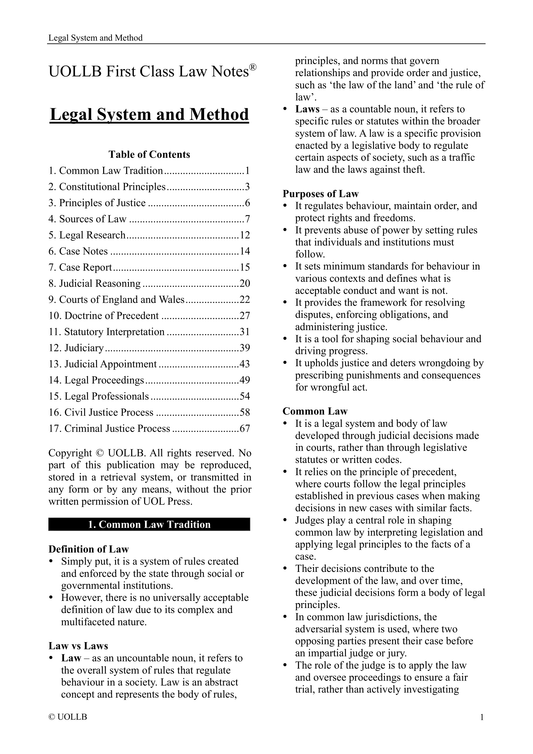
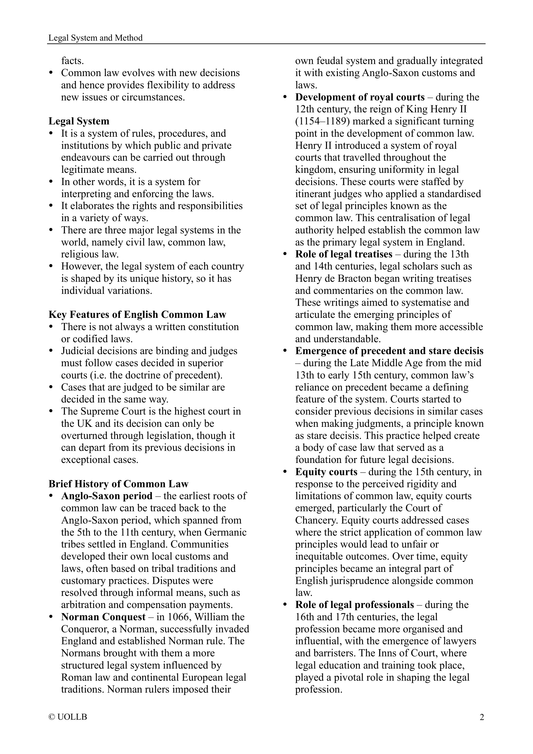
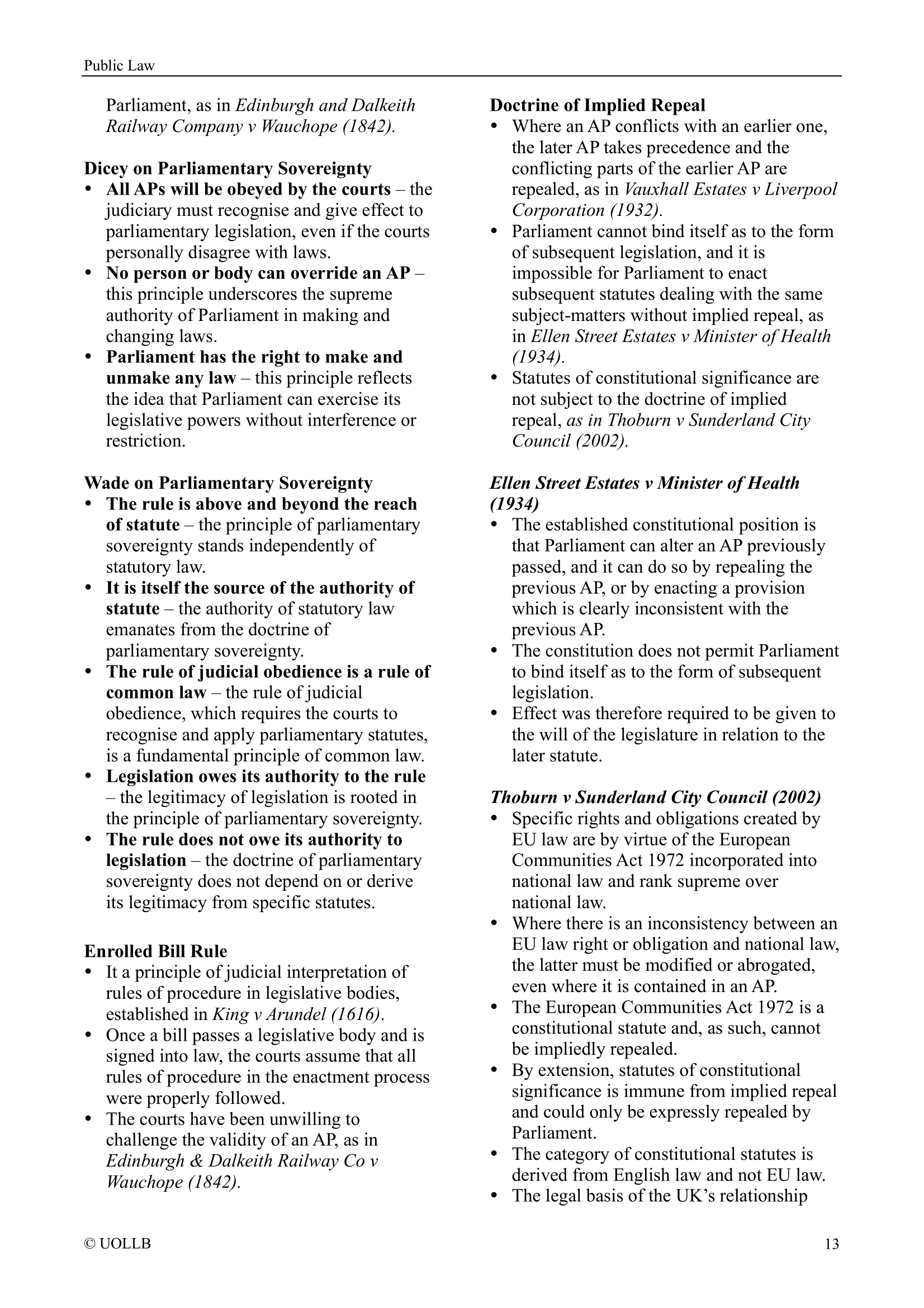
Common law has developed over centuries through judicial decisions that have shaped the principles governing everyday life, business relationships, individual rights and the administration of justice. Some cases have had a particularly lasting influence, establishing legal principles that continue to form the foundation of English law.
We have selected ten landmark common law cases that every law student should know. Covering areas including contract law, tort law, company law, criminal law and constitutional law, these decisions illustrate how judicial reasoning has shaped the development of the legal system.
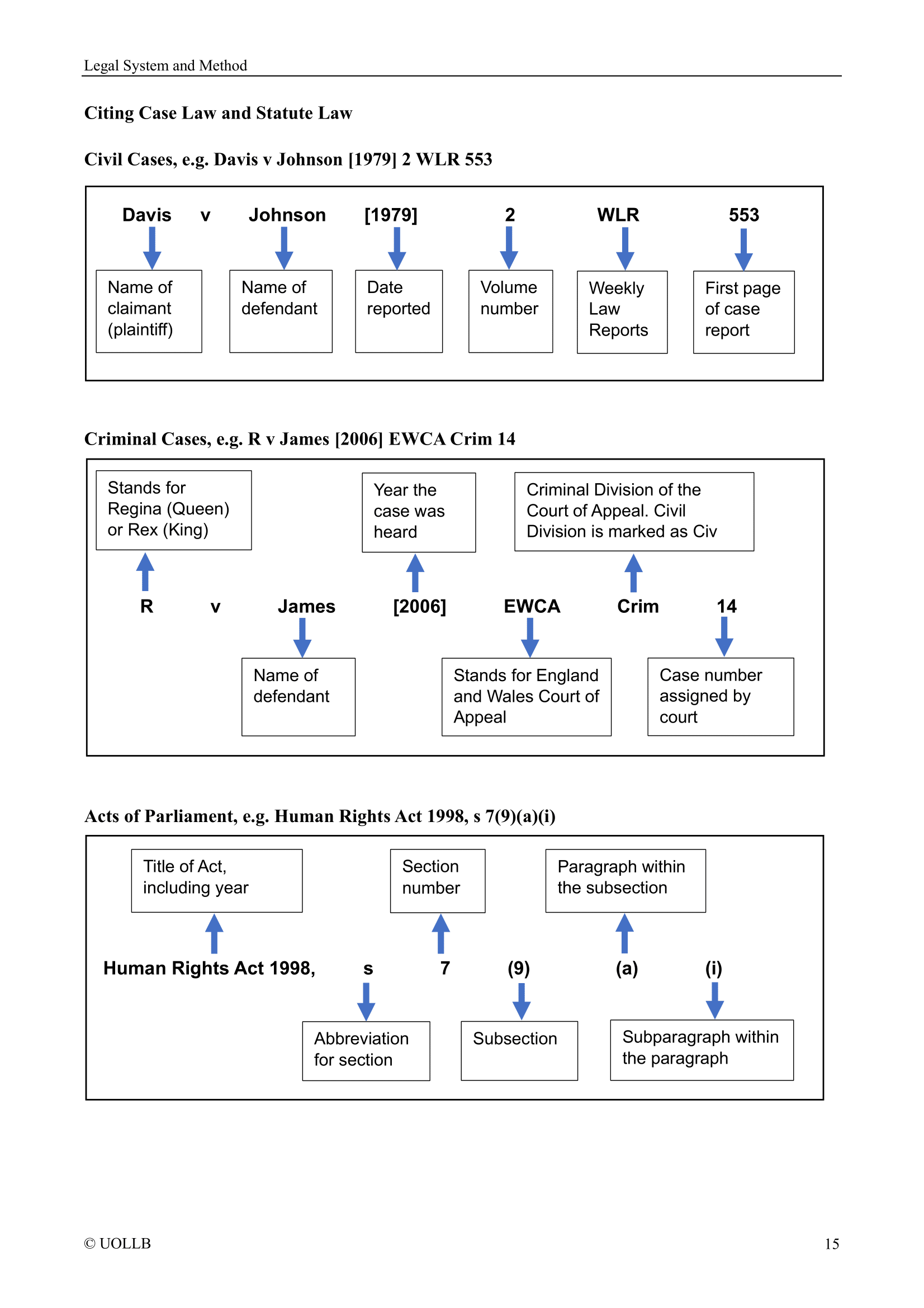
1. Donoghue v Stevenson [1932] AC 562
One of the most influential cases in English tort law, Donoghue v Stevenson established the modern neighbour principle. The House of Lords recognised that a manufacturer could owe a duty of care to the ultimate consumer of a product, even where there was no contractual relationship between them. The decision laid the foundation for the modern law of negligence.
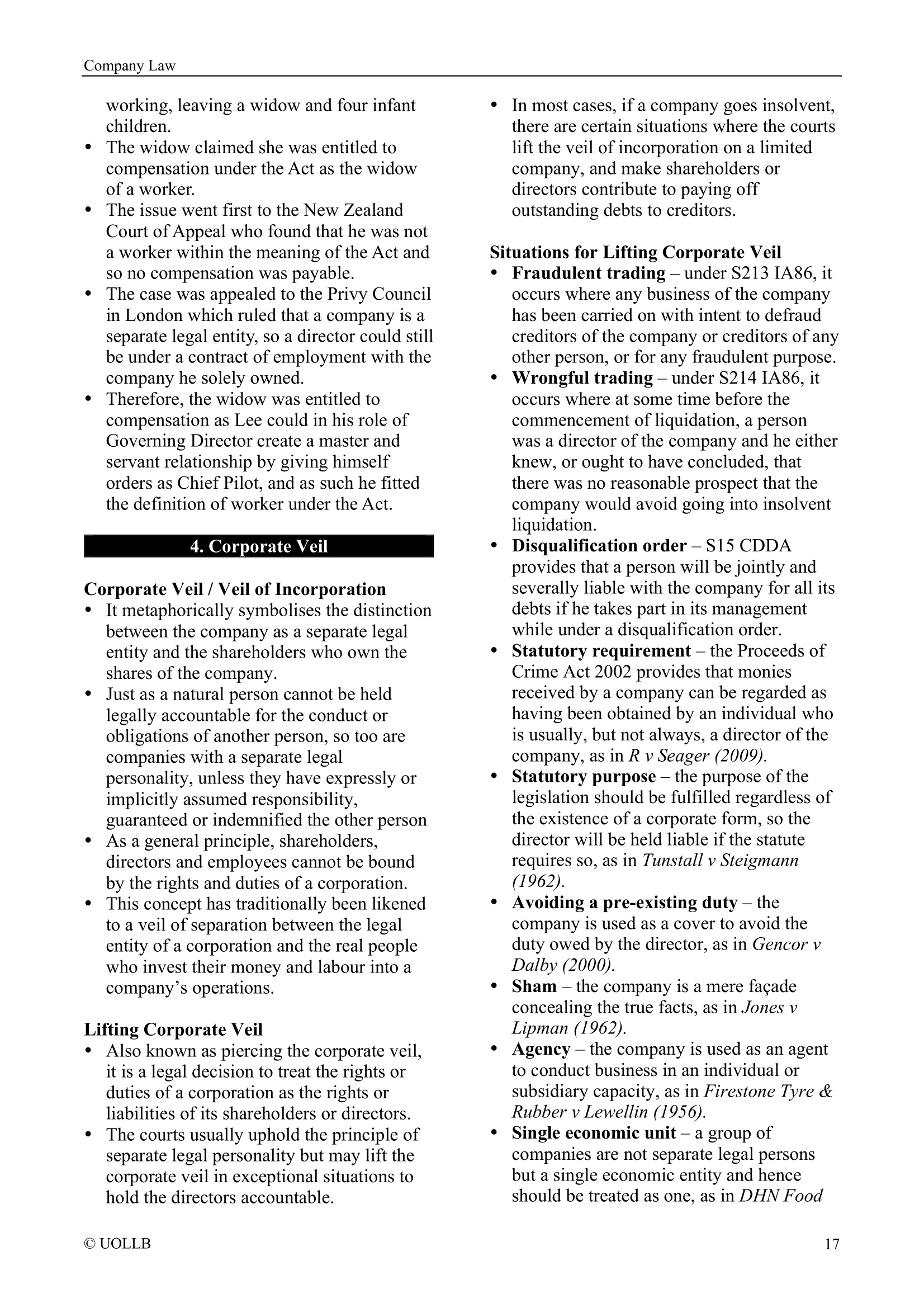
2. Salomon v A Salomon & Co Ltd [1897] AC 22
This landmark company law decision established the principle of separate legal personality. The House of Lords held that a company has a legal identity distinct from its shareholders and directors. Consequently, a company's debts and liabilities are generally its own, rather than those of the individuals who own or manage it.
3. Hadley v Baxendale (1854) 9 Exch 341
A leading authority on contractual damages, Hadley v Baxendale established the principles governing remoteness of loss. The court held that damages may be recovered for losses arising naturally from a breach of contract or losses that were reasonably within the parties' contemplation when they entered into the contract.
4. Carlill v Carbolic Smoke Ball Co [1893] 1 QB 256
This famous contract law case established important principles concerning unilateral offers and acceptance by conduct. The court held that an advertisement could constitute a legally binding offer where it demonstrated a clear intention to be bound. Acceptance could take place through performing the conditions specified in the offer, without separate notification.
5. Keeble v Hickeringill (1707) 11 East 574
An important early authority on economic interests and lawful competition, Keeble v Hickeringill recognised that deliberately interfering with another person's lawful business activities could give rise to liability. The case distinguished legitimate competition from wrongful interference with trade.
6. Entick v Carrington (1765) 19 St Tr 1029
A foundational constitutional law decision, Entick v Carrington established that public authorities must have lawful authority for their actions. The court held that government officials could not interfere with an individual's property and rights without legal justification. The decision remains an important authority on the rule of law and limits on executive power.
7. Rylands v Fletcher [1868] LR 3 HL 330
This case established a principle of strict liability for damage caused by the escape of a dangerous thing brought onto land for a non-natural use. It became an important part of the law of tort, although its scope has subsequently been restricted by later decisions.
8. R v Dudley and Stephens (1884) 14 QBD 273
A landmark criminal law case concerning the defence of necessity, R v Dudley and Stephens held that necessity could not justify murder in the circumstances of the case. The defendants had killed and eaten a fellow shipwrecked sailor to survive. The decision remains a leading authority on the limits of the necessity defence.
9. Pinnel's Case (1602) 5 Co Rep 117a
An important contract law decision, Pinnel's Case established that part payment of an existing debt is generally insufficient consideration for a creditor's promise to discharge the entire debt. This principle was subsequently affirmed by the House of Lords in Foakes v Beer (1884).
10. M'Naghten's Case (1843) 10 Cl & Fin 200
This landmark criminal law case established the M'Naghten Rules, which provide the traditional legal test for the defence of insanity. The rules focus on whether, at the time of the offence, the defendant suffered from a defect of reason caused by a disease of the mind, such that he did not know the nature and quality of his act or did not know that what he was doing was wrong.
Why These Cases Matter
These ten decisions demonstrate the importance of judicial precedent in the development of common law. They have established principles that continue to influence legal reasoning, judicial decisions and the application of law across different areas of legal practice.
For law students, understanding these cases is about more than remembering case names and legal principles. It is about appreciating how courts interpret the law, resolve disputes and develop legal rules that continue to shape society.