What Is a Hamid Hearing?

A Hamid hearing is a high court proceeding in England and Wales used to investigate and censure legal representatives who have been found to have significantly failed in their professional duties toward the court. Named after the landmark case R (on the application of Hamid) v Secretary of State for the Home Department [2012], these hearings are typically triggered when a lawyer submits a late or meritless application for an urgent injunction (often to stay a removal or deportation) that is considered an abuse of the court’s process. The hearing is essentially a "show cause" procedure where the representative must explain their conduct and why they should not be formally referred to their professional regulator, such as the Solicitors Regulation Authority or the Bar Standards Board.

The gravity of a Hamid hearing lies in its focus on the overriding objective and the duty of legal professionals to act with honesty and integrity. Judges use these hearings as a disciplinary mechanism to address systemic issues, such as filing "rubber-stamped" judicial review applications at the eleventh hour without proper legal grounds or failing to disclose material facts to the court. While the hearing itself does not result in a criminal conviction, the consequences are severe. The court often publishes the judgment with the legal representative’s name (naming and shaming), may order them to pay the costs of the hearing personally, and almost always refers the case to the relevant regulatory body for further disciplinary action, which can lead to being struck off or suspended.

During the hearing, the court scrutinises the internal procedures of the law firm or chambers involved. The judges often demand a detailed witness statement explaining how the error occurred, what training is in place for junior staff, and why the firm’s conduct fell below the required professional standard. The Hamid jurisdiction has expanded over the years beyond immigration law to encompass any area where there is an egregious breach of the duty to the court. It serves as a stern reminder that while a lawyer has a duty to act in their client's best interests, that duty is strictly subordinate to their primary obligation to the court and the administration of justice.

Back to blog
UOLLB SQE Turbocharge

UOLLB SQE Turbocharge

Get fully prepared for SQE1 without breaking the bank. Access cost-effective SQE1 Study Guides and SQE1 Mock Exam developed by UOLLB, edited by lawyers, and published by UOL Press. Free downloads and resources available.
Turbocharge SQE Performance
UOL Case Bank

UOL Case Bank

Upon joining, you become a valuable member of our UOL Community and gain access to over 2,200 essential case summaries. UOL Case Bank is constantly expanding. Speed up your revision with us now.
Subscribe Now

Join students and legal professionals from Legal 500 firms, top universities and international organisations who trust UOLLB

Council of Europe
Crown Prosecution Service
Ministry of Defence
National Health Service (NHS)
Baker Mckenzie
Linklaters
Atsumi & Sakai
Yale University
UC Berkeley
University of Chicago
Columbia University
New York University
University of Michigan
INSEAD
University of London
University College London (UCL)
London School of Economics (LSE)
King’s College London (KCL)
Royal Holloway, University of London 
Birkbeck, University of London
SOAS, University of London
University of Manchester
University of Zurich
University of York
Brandeis University
University of Exeter
University of Sheffield
Boston University
University of Washington
University of Leeds
University of Law
University of Kent
University of Hull
University of Notre Dame
Cardiff University
Queen’s University Belfast
Arizona State University
McGill University
Toronto Metropolitan University
University of Hong Kong (HKU)
Hong Kong University of Science and Technology (HKUST)
University of Buckingham
Robert Gordon University
ESSEC Business School
University of Puerto Rico
University of Portsmouth

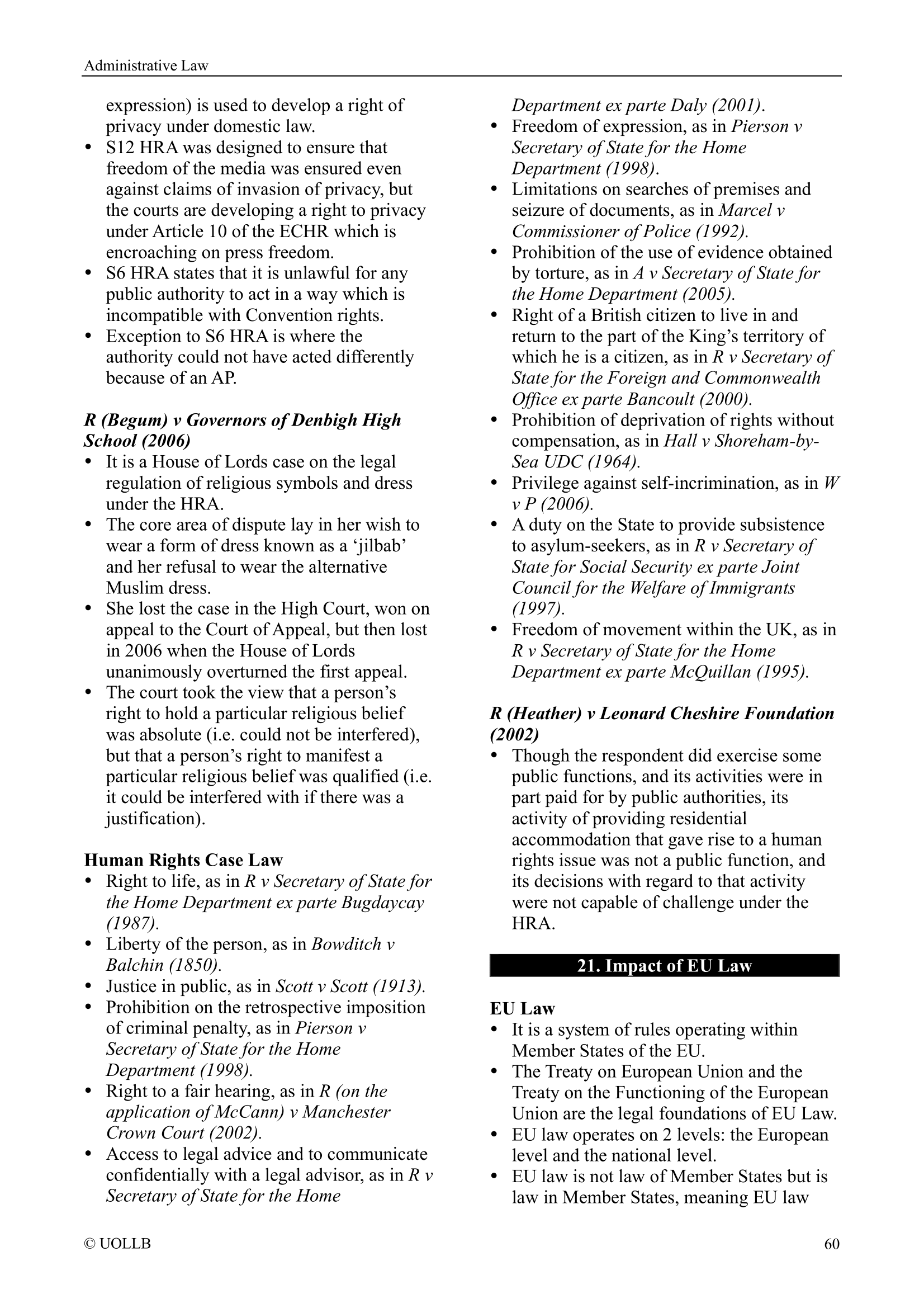
  • Criminal Practice

    Diagrams and Charts

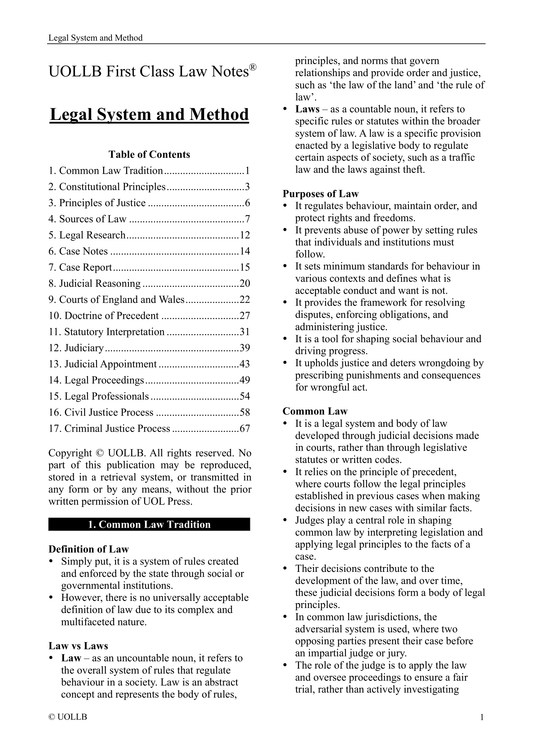
    Our carefully designed diagrams and charts will guide you through complex legal issues.

  • Criminal Law

    Clear and Succinct Definitions

    Key concepts are concisely defined to help you understand legal topics quickly.

  • Property Law

    Statutory Provisions

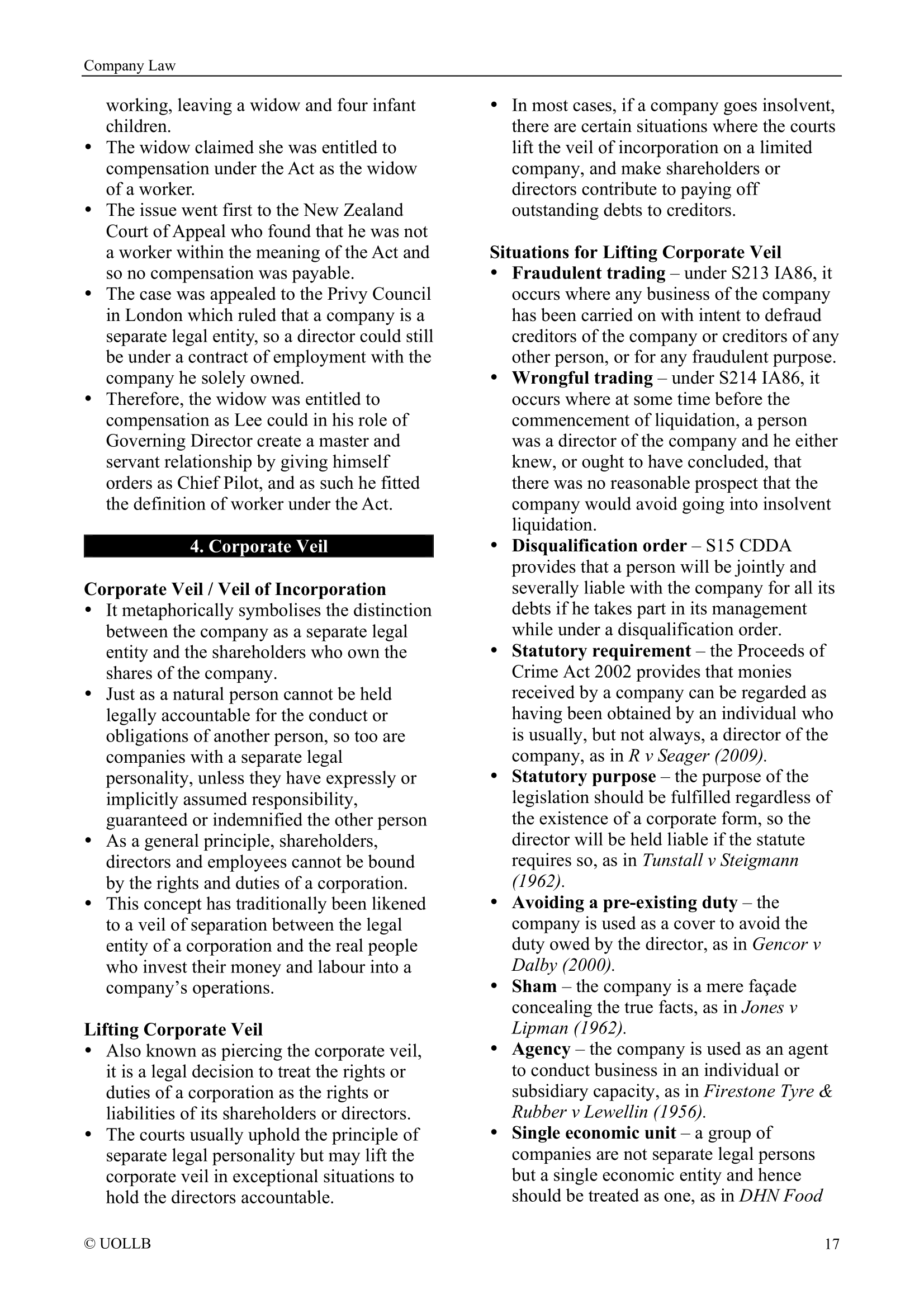
    Statutory provisions are provided side by side with legal concepts to help you swiftly locate the relevant legislation.

  • Public Law

    Case Summaries

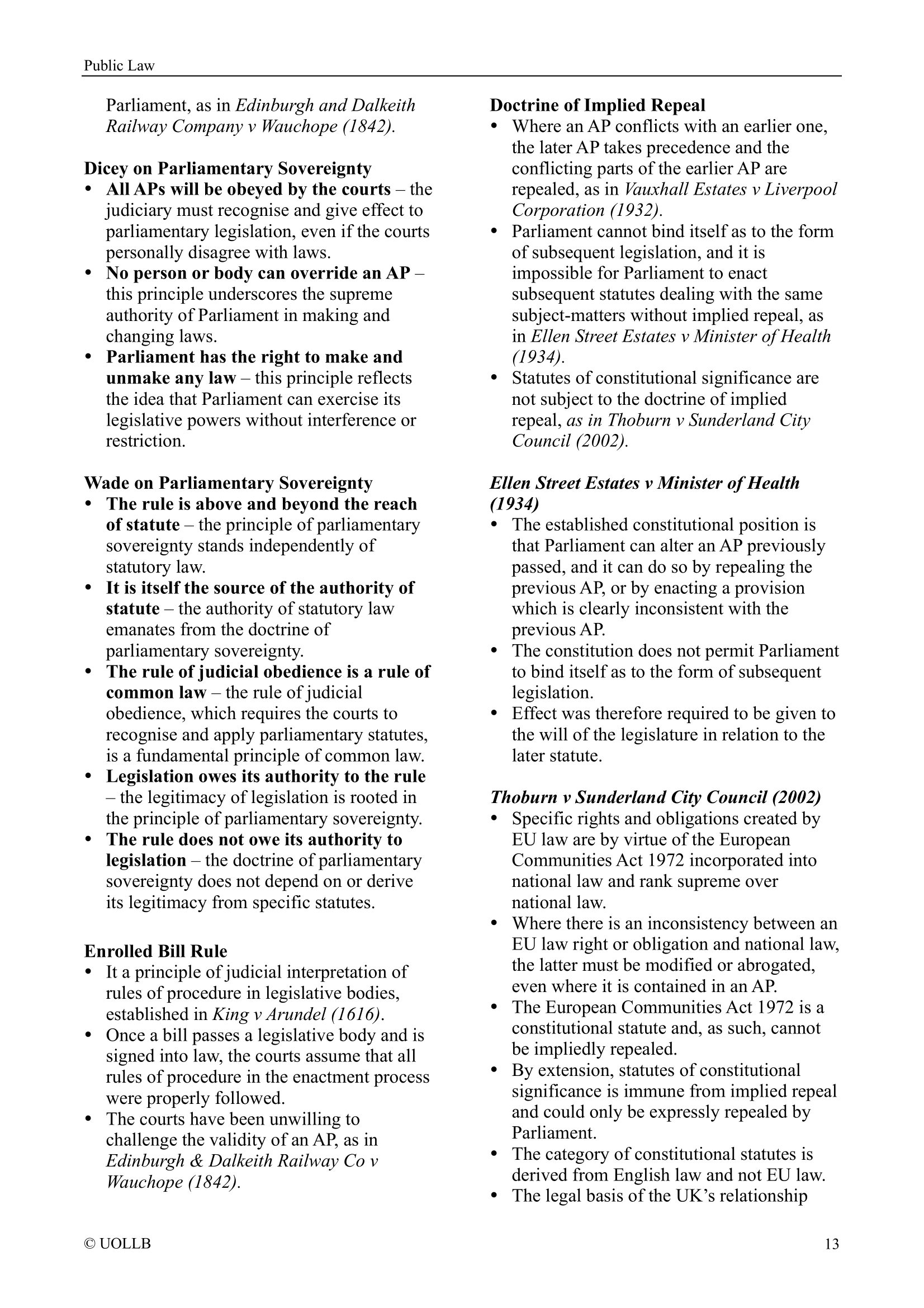
    We have summarised important cases for you so that you don't need to read long and boring cases.

  • Evidence

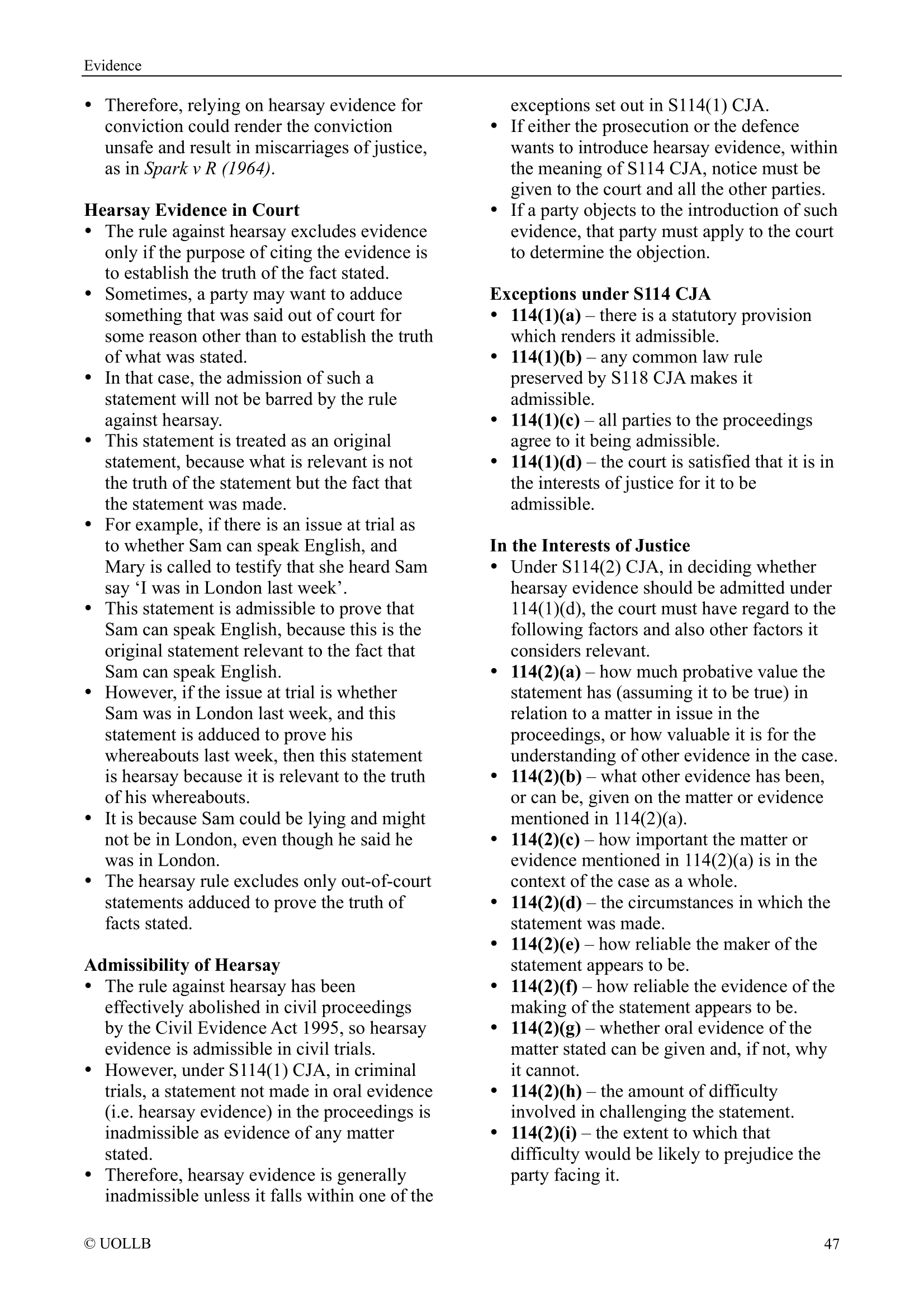
    Rules and Exceptions

    Rules and exceptions are clearly listed so that you know when a rule applies and when it doesn't.

  • Company Law

    Terminology

    Legal terms and key concepts are explained at the beginning of each chapter to help you learn efficiently.

  • Case Law

    Case law is provided side by side with legal concepts so that you know how legal principles and precedents were established.

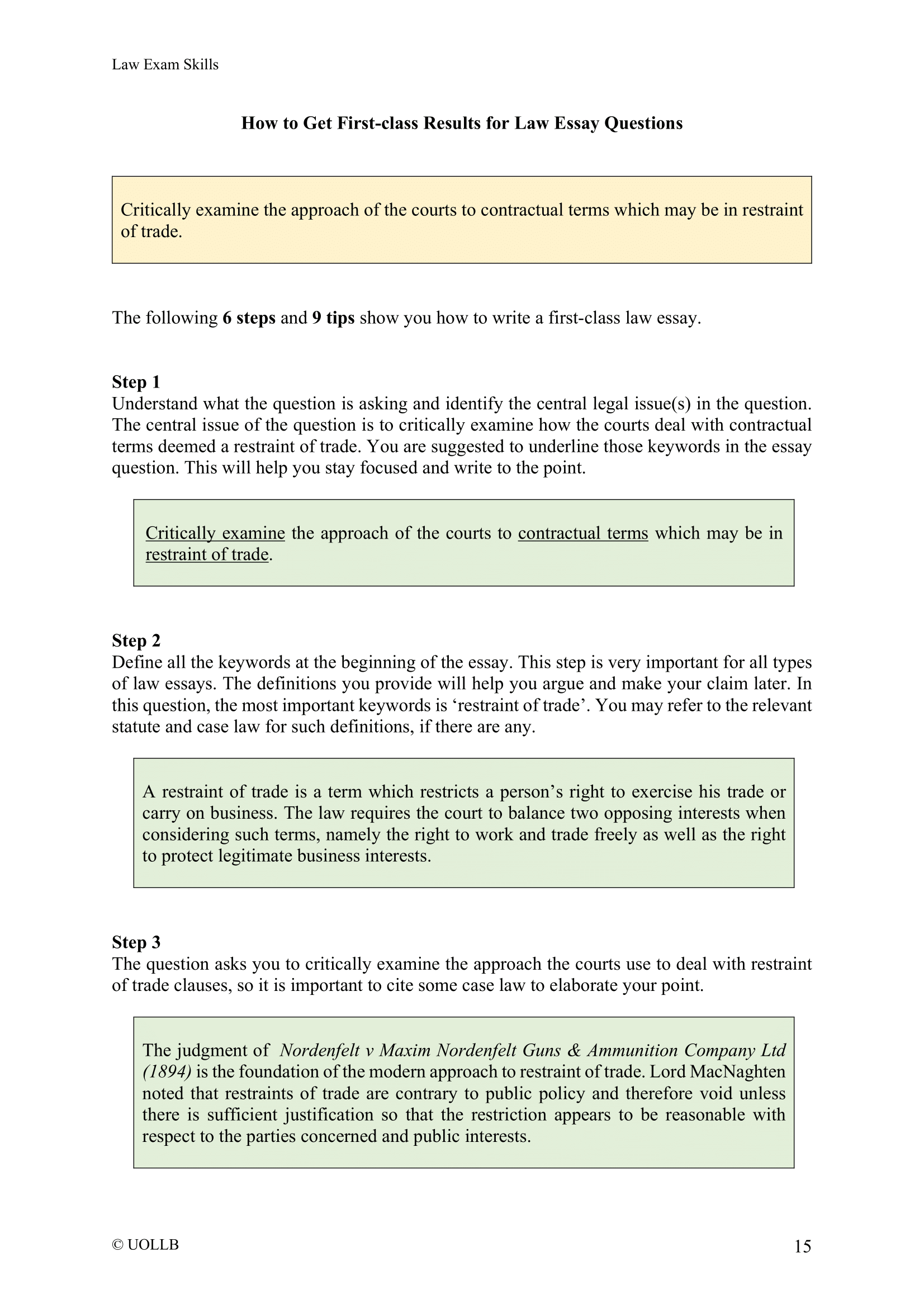
  • Law Exam Guide

    Law Essay Guide

    You will learn essential law exam skills and essay writing techniques that are not taught in class.

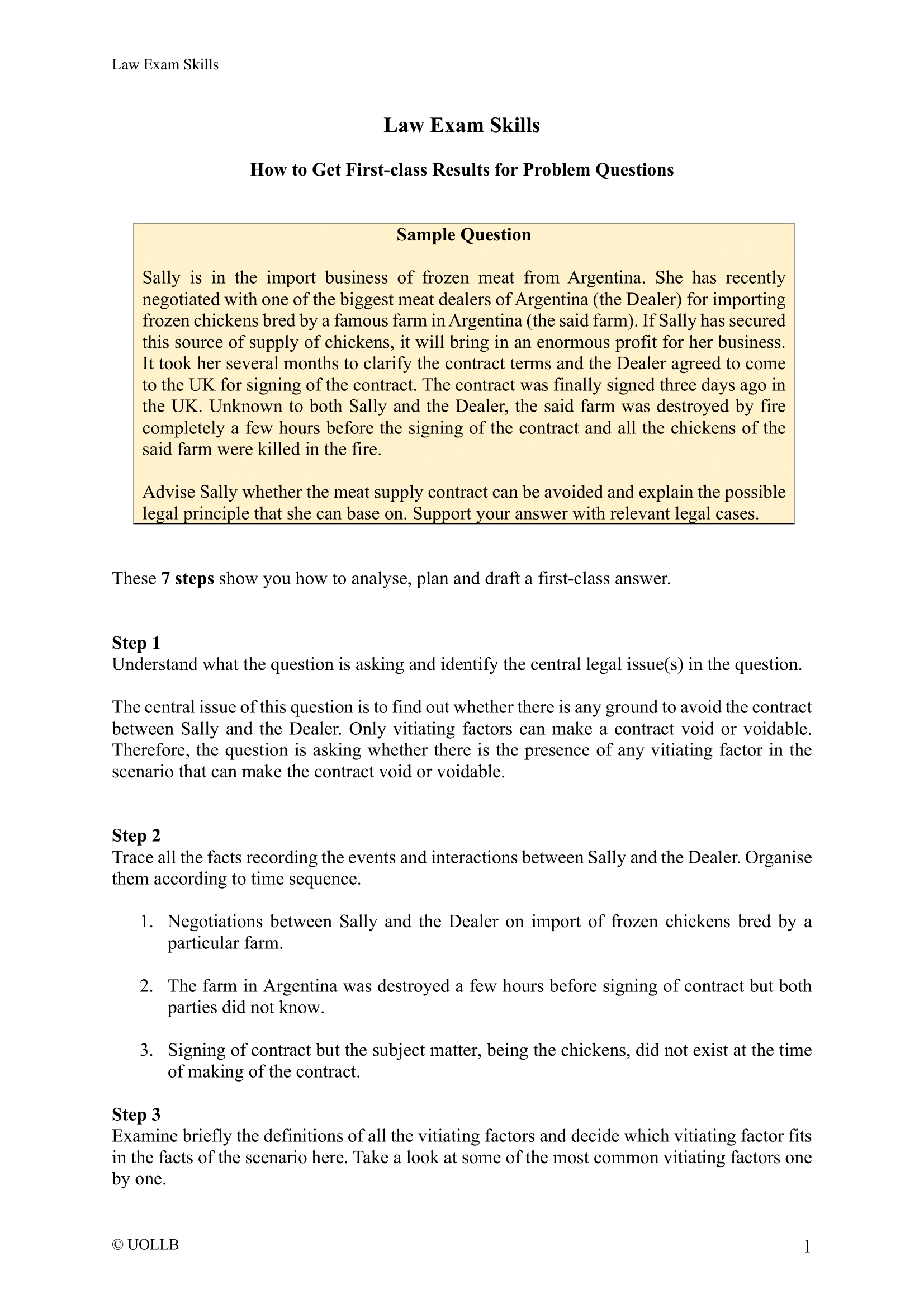
  • Law Exam Skills

    Problem Question Guide

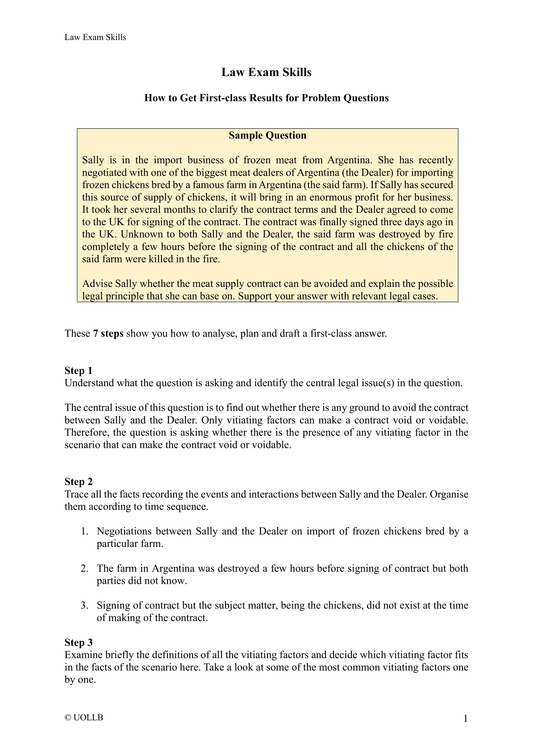
    We will show you how to answer problem questions step by step to achieve first-class results.

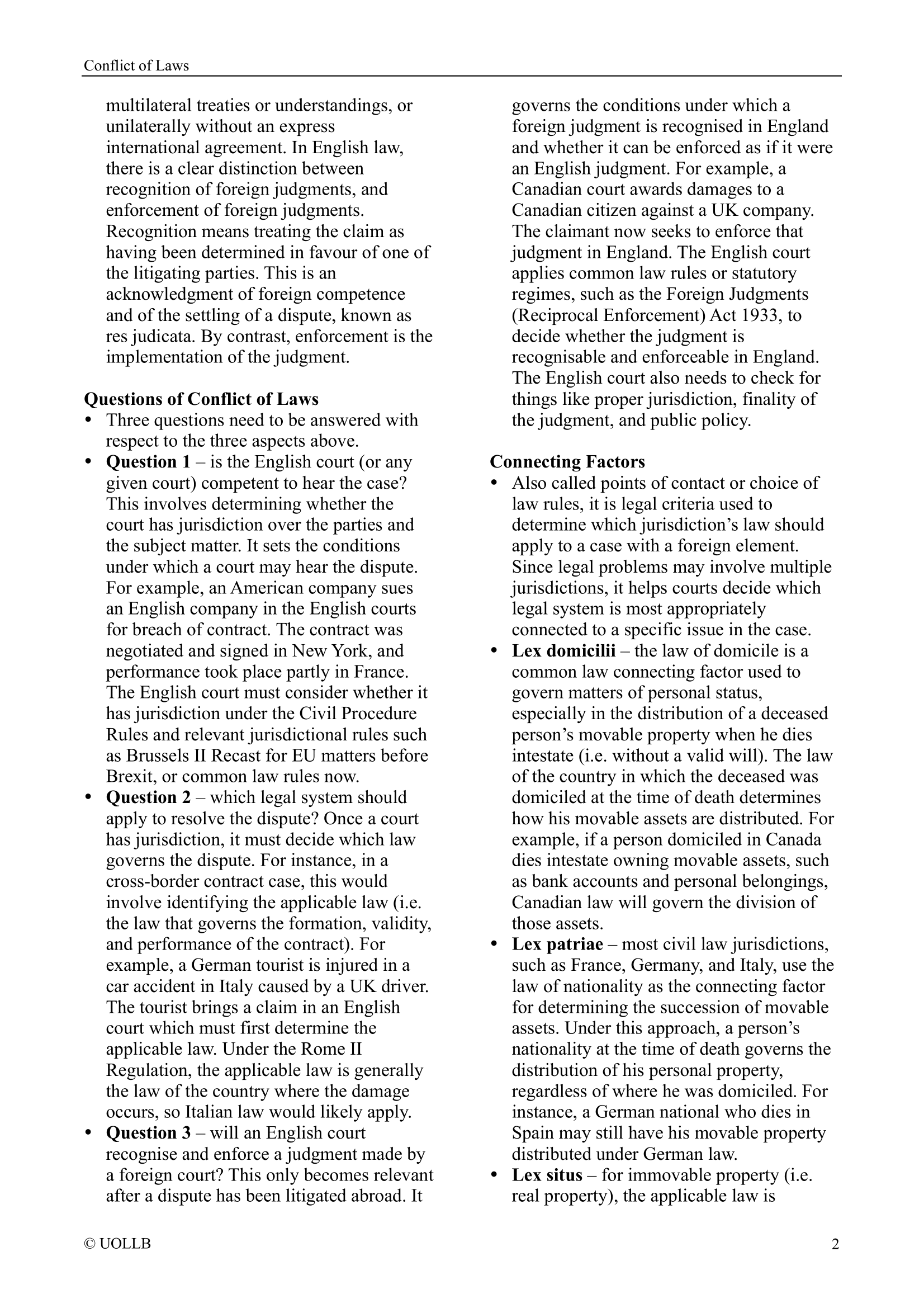
  • Conflict of Laws

    Structured Explanations

    Complex legal concepts are broken down into concise and digestible bullet point explanations.

  • Legal System and Method

    Legal Research

    You will learn legal research techniques with our study guide and become a proficient legal researcher.

  • Jurisprudence and Legal Theory

    Exam-focused

    All essential concepts, principles, and case law are included so that you can answer exam questions quickly.