How to Highlight Legal Cases Effectively
Share
There are three things to highlight in every legal case. You don't need to annotate every line. Master these three elements and you will understand any judgment.
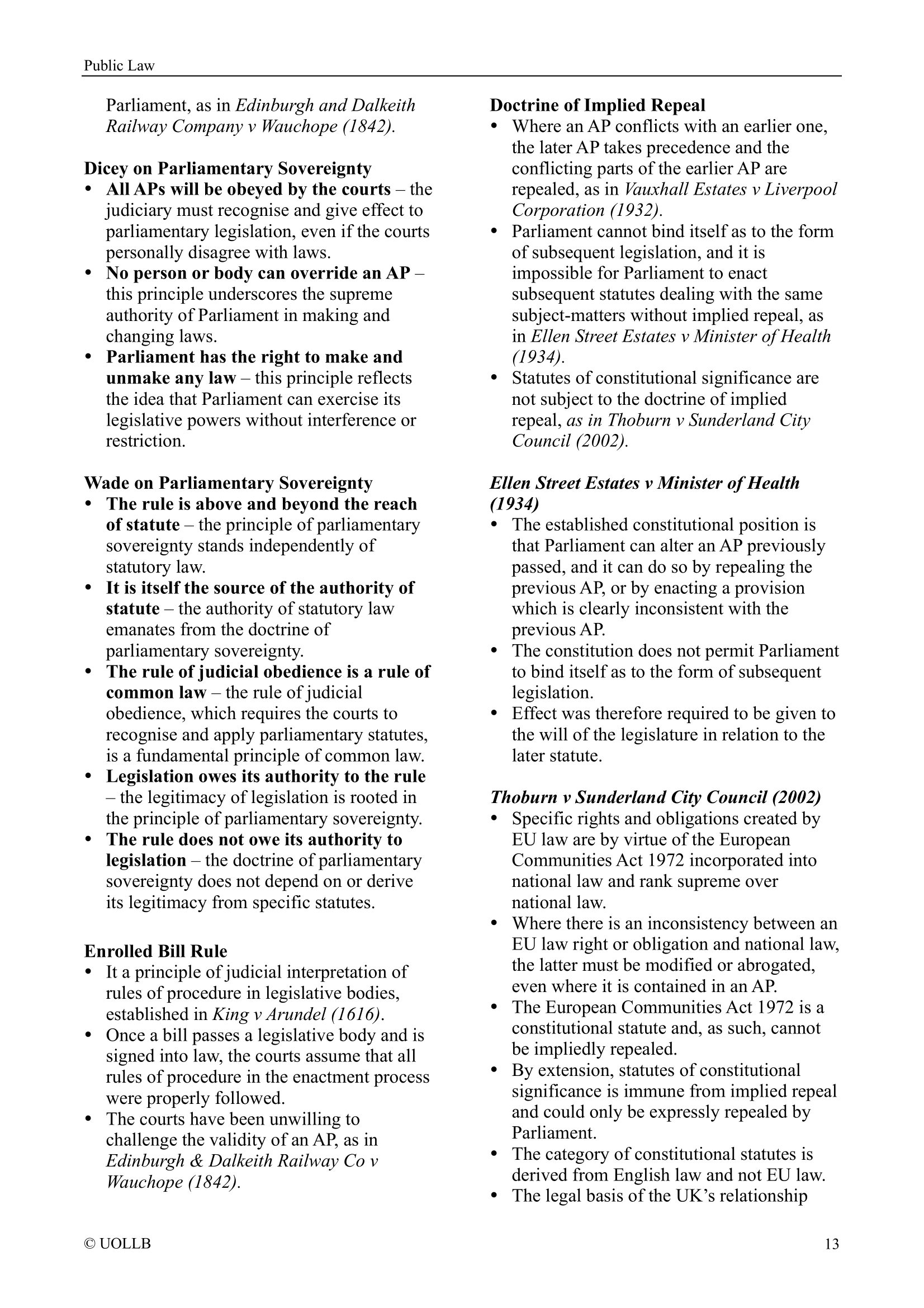
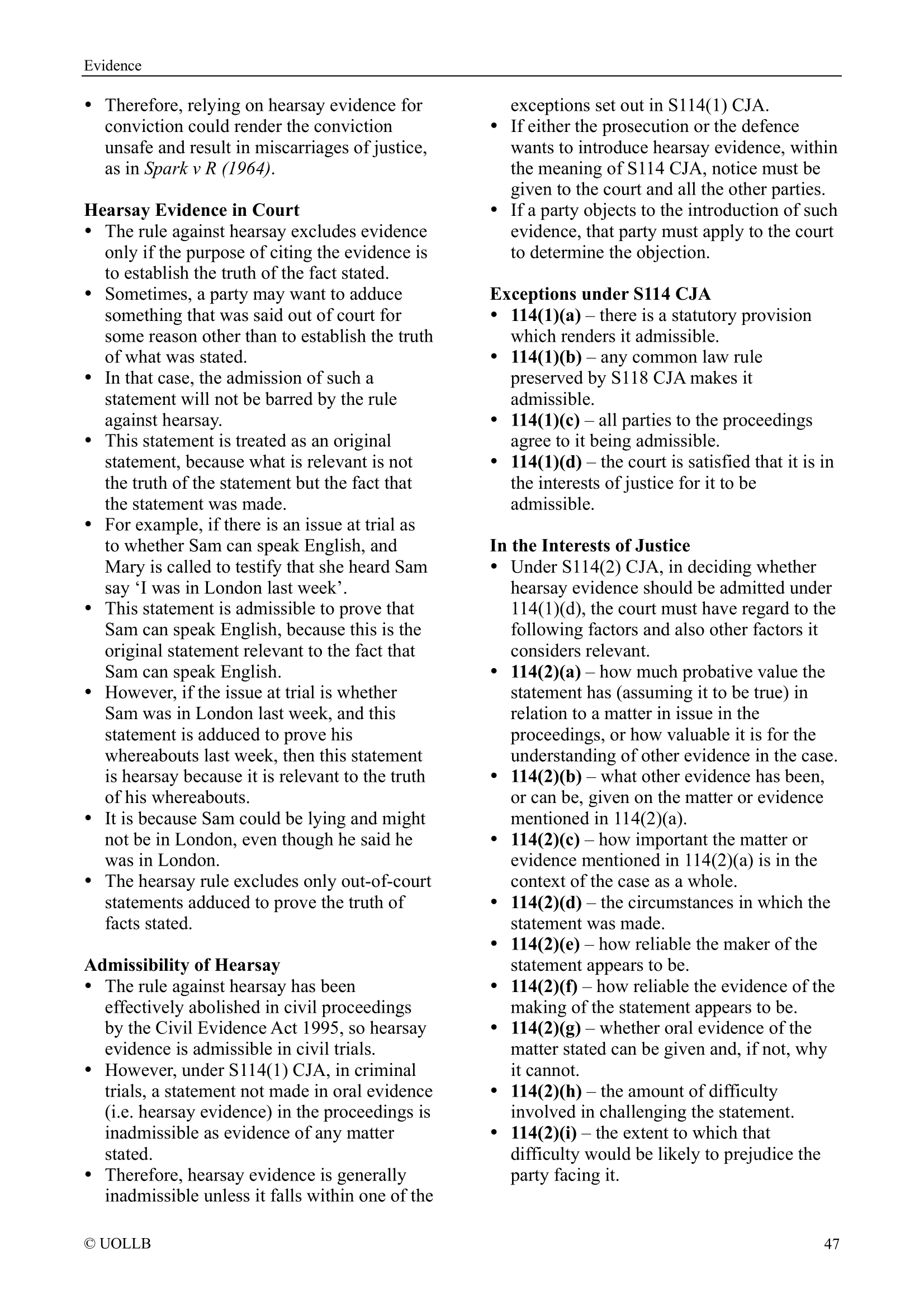
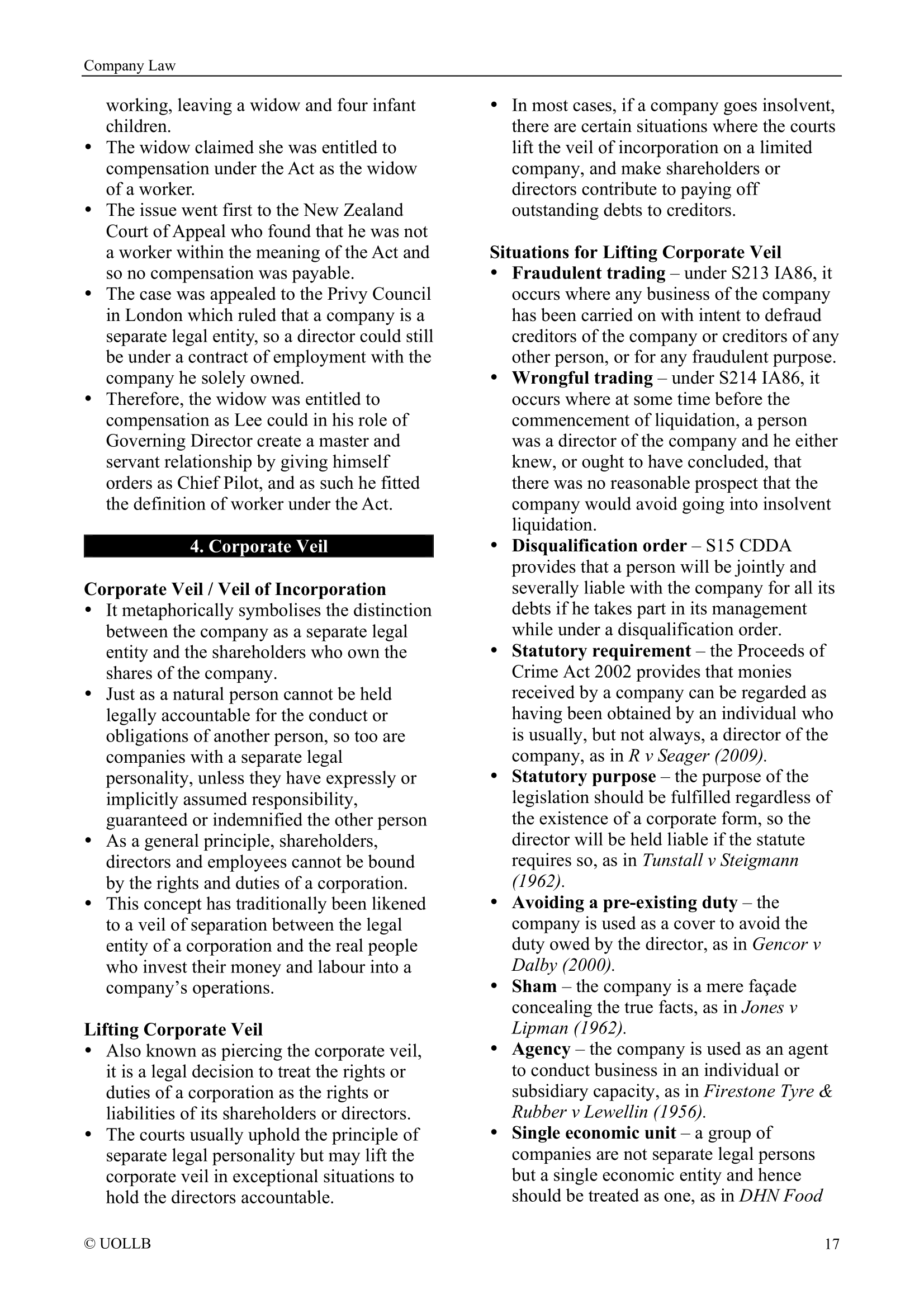
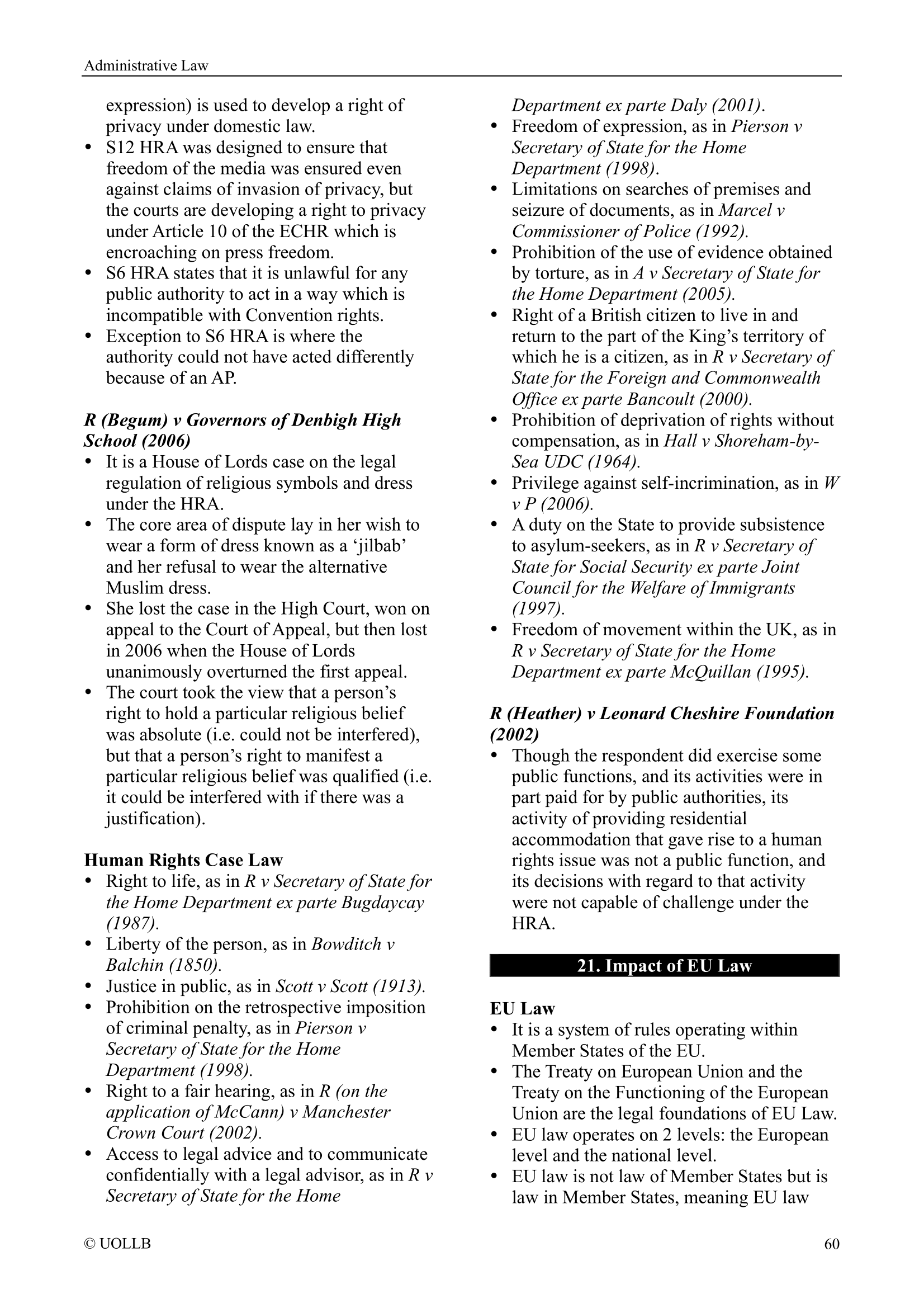
Law students, and even experienced practitioners, often fall into the trap of highlighting almost everything in a case. The margins fill up, the pages blush pink and yellow, and by the time they're done, nothing stands out at all. The truth is, when you read a legal case, you only need to find three things: the ratio decidendi, the court, and the decision. Everything else is context. These three elements are the skeleton of any judgment, and once you can spot them reliably, your reading becomes faster, sharper, and far more useful.
1. The Ratio Decidendi
The ratio decidendi, Latin for "the reason for deciding," is the legal principle that the court applied in reaching its conclusion. It is the only part of a judgment that creates binding precedent. The rest of the judgment, the facts narrated, the background law discussed, the judge's wider musings, is called obiter dicta, meaning things said by the way. Obiter can be persuasive, but it will never bind a future court. The ratio will. This is why it must be the first thing you search for and highlight.
Finding the ratio is not always straightforward. Judges rarely announce it with a neon sign. You have to read actively, asking yourself: what legal rule, applied to what category of facts, produced this result? In a negligence case, for instance, the ratio might be the specific test the court articulated for establishing a duty of care, rather than the full narrative of what the defendant did wrong. Train yourself to strip away the facts and ask what principle would apply equally to any similar case in the future.
What to highlight
The sentence or passage where the judge states the legal rule being applied, i.e. the principle that would govern future cases with similar facts.
2. The Court
Not all cases carry equal weight, and the court that decided a case is the simplest guide to how much authority it has. In the English legal system, decisions of the Supreme Court bind all courts below it. Decisions of the Court of Appeal bind the High Court and lower courts. A High Court decision is persuasive but does not bind other High Court judges in certain situations. A County Court or Magistrates' Court decision binds nobody. When you note the court at the top of your reading notes, you immediately know whether you are dealing with a binding authority or a merely persuasive one, and that distinction matters enormously in practice and in assessments.
Courts from other jurisdictions, including Australia, Canada, the United States, are never binding in English law but may be cited as persuasive, particularly in areas where English authority is thin. The Privy Council, which hears appeals from Commonwealth countries, occupies a special and somewhat ambiguous position: technically not binding, but so frequently followed by the Supreme Court that it is treated with great respect. Always note the court. It is the single quickest way to understand how much weight a case deserves.
What to highlight
The name of the court, noted at the very top of your reading, such as the Supreme Court, Court of Appeal, High Court, or otherwise. This tells you the case's place in the hierarchy immediately.
3. The Decision
The decision is simply the outcome: who won, and what remedy or result followed. Did the claimant succeed in their claim? Was the appeal allowed or dismissed? Was the defendant convicted or acquitted? It sounds almost too obvious to mention, yet it is frequently glossed over by students who get so absorbed in the legal reasoning that they lose sight of what the court actually ordered. The decision grounds the ratio in something concrete. It reminds you that legal principles are not abstract puzzles but determine real outcomes for real people.
The decision is also practically essential when you use a case as authority. If you cite a case to support a claimant's position, you need to know whether the court found in the claimant's favour on that point. A case where the principle was stated but the claimant still lost on the facts tells a different story from one where they won. Always know the bottom line.
What to highlight
The court's final order or finding, including appeal allowed or dismissed, claim succeeded or failed, conviction upheld or quashed. One sentence is usually enough.
Once you can find these three things reliably, you have found the case. Now, let's put them all together in the following worked example.
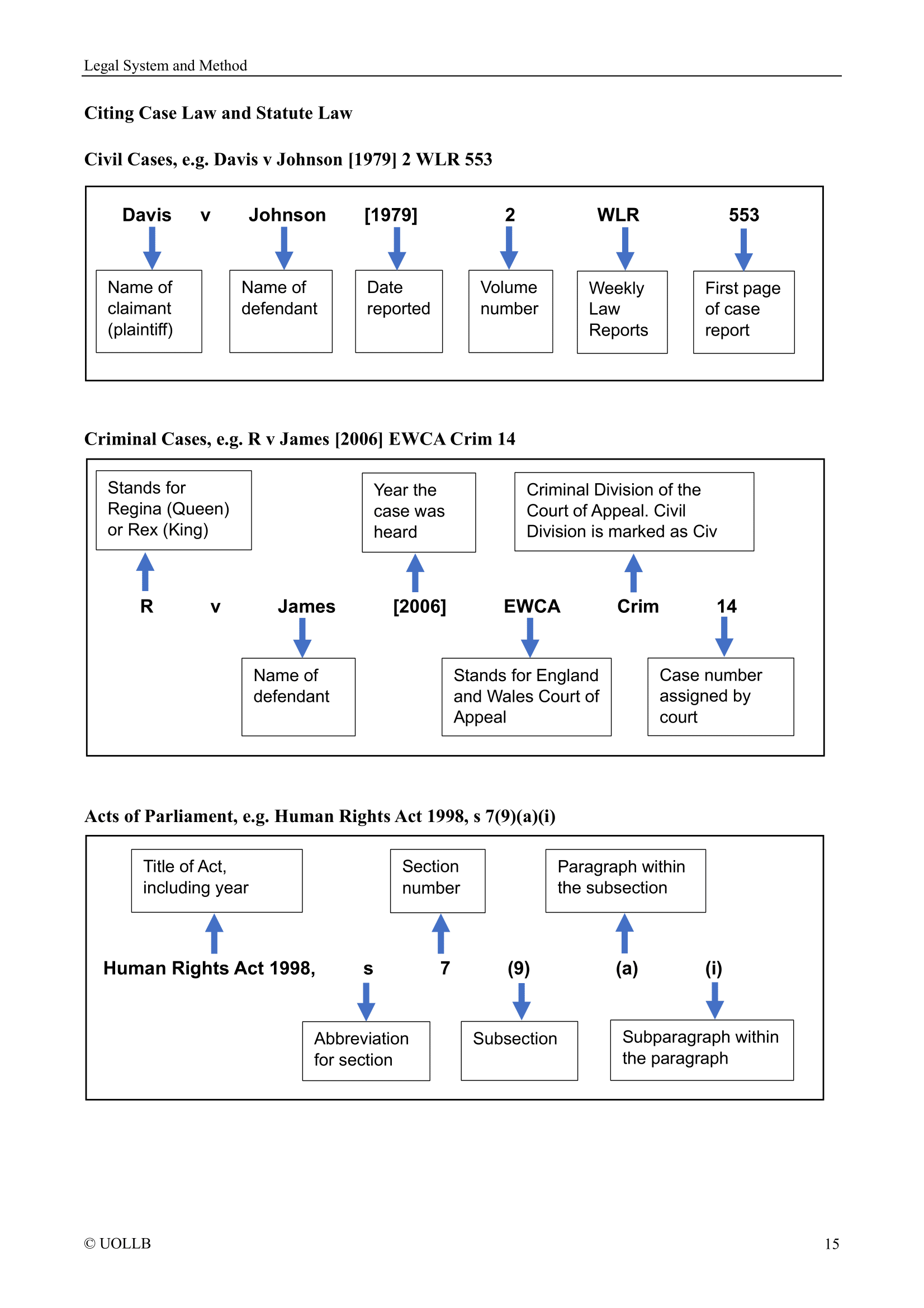
Consider Donoghue v Stevenson [1932] AC 562, the foundational tort case everyone encounters early in their legal education. Here is how the three-element approach works in practice:
Court
House of Lords (the highest appellate court in the UK at that time, binding on all courts below).
Ratio
A manufacturer owes a duty of care in negligence to the ultimate consumer of their product where there is no reasonable possibility of intermediate examination before it reaches the consumer.
Decision
The appeal was allowed. Mrs Donoghue was entitled to bring a claim against the manufacturer even though she had no contract with him.
Notice what is left out. The facts (the ginger beer bottle, the decomposed snail, the café in Paisley) are not highlighted. They provide context and are useful for understanding why the case arose, but they are not what you cite when you use this case as authority. The ratio, the court, and the decision: those three things tell you everything you need to know about what Donoghue v Stevenson stands for and how much weight it carries.
A habit worth building
Make this your default reading mode for any legal case. Before you open the judgment, write three headings in your notes: court, ratio, decision. Then read with the sole aim of filling those three boxes. You will find that the rest of the judgment organises itself around those anchors, and that your understanding, and your recall under pressure, improves dramatically. Highlighting everything is the same as highlighting nothing. Know what you are looking for, and you will always find it.